
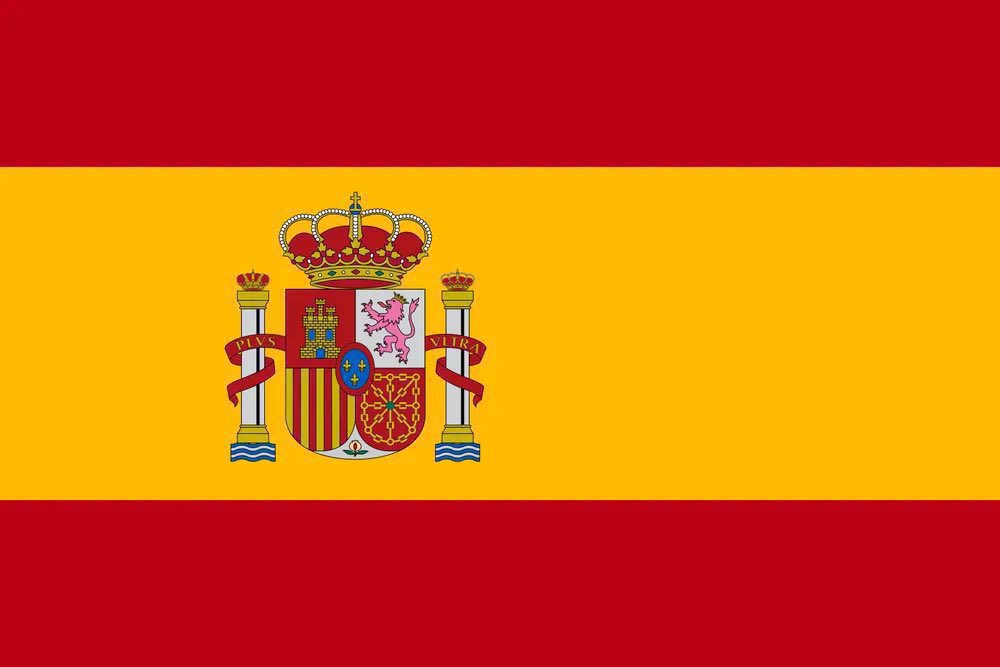
Spain’s victory on July 19, 2026, rewrites the narrative of international football just as the sport prepares for a new era of American stadiums and global viewership. The final, staged at New Jersey’s MetLife Stadium, delivered a dramatic extra‑time finish that crowned La Roja with a second men’s World Cup trophy. This triumph arrives amid a surge of interest in soccer across the United States, where the tournament’s success is already reshaping broadcasting deals and youth participation rates. By securing the title on American soil, Spain not only adds a historic chapter to its own legacy but also amplifies the tournament’s impact on a market hungry for marquee moments.
Spain beat Argentina 1‑0 after extra time at MetLife Stadium on July 19, 2026, with Ferran Torres scoring the winning goal. The victory gave Spain its second FIFA Men’s World Cup title.
Match overview and historic weight
July 19, 2026 marked the night when MetLife Stadium, a venue that seats roughly 82,500 fans, hosted a World Cup final that would echo through football history. Spain emerged victorious with a 1‑0 extra‑time win, the lone goal coming from Ferran Torres after a precise assist by Nico Williams.
That single‑goal margin mirrors the 2010 final in South Africa, where Andrés Iniesta settled the score in the 116th minute. The parallel suggests a pattern: Spain thrives when patience meets a decisive strike deep into extra time. While both finals featured Spanish midfield mastery, the 2026 side relied more on youthful wing play, indicating an evolution from the older, more methodical 2010 squad.

Key players in a concise spotlight
Ferran Torres, the 23‑year‑old forward, delivered the decisive finish that will define his career. His goal not only broke the deadlock but also underscored Spain’s shift toward versatile attackers who can operate across the front line.
Analysis shows that Torres’ rise mirrors that of Fernando Torres in 2006, when a youthful striker captured the imagination of a nation. Both instances illustrate how Spain repeatedly taps emerging talent to clinch global trophies.
Nico Williams, operating on the right flank, supplied the assist that unlocked Argentina’s defense. His speed and technical ability have become a blueprint for Spanish wingers since the 2022 European Championship.
Critics note that Williams’ contribution reflects a broader trend: Spanish academies now prioritize two‑footed wing players, a departure from the traditionally left‑biased approach of the early 2000s.
Tactical breakdown: evolution versus tradition
Spain entered the match deploying a high‑pressing, possession‑heavy formation that resembled the 2008 Euro side, yet incorporated rapid transitions that surprised Argentina’s compact shape.
Comparing this approach to the 2008 squad reveals a tactical lineage; however, the 2026 team added a vertical element reminiscent of Germany’s 2014 World Cup play, allowing them to bypass midfield congestion.

Rodri anchored the midfield, dictating tempo while providing defensive cover. His role echoes that of Xavi Hernández in 2010, but with a more aggressive ball‑winning mindset that modernizes Spain’s core.
Opponents argue that such relentless pressing risks fatigue in tournaments with tight schedules. Yet, Spain’s ability to sustain intensity for 120 minutes suggests that conditioning programs introduced after the 2022 World Cup have paid dividends.
Spain’s road to glory and dual‑title milestone
Group‑stage dominance set the tone, as Spain topped Group C with three wins, scoring 9 goals and conceding only 2. Knockout rounds featured a 3‑1 quarter‑final victory over Brazil and a 2‑0 semi‑final triumph against France.
That pathway mirrors the 1998 French campaign, which also combined a flawless group performance with knockout resilience. The difference lies in Spain’s ability to rotate players without sacrificing quality, reflecting deeper squad depth.
Winning the 2026 men’s tournament makes Spain the first nation to hold both the men’s and women’s World Cups simultaneously, after the women’s team secured the title in Australia‑New Zealand earlier in the year.
Historical context shows that Brazil once held both Olympic gold and a World Cup in the same cycle (1994‑1996), yet never achieved the dual senior‑world‑championship feat. Spain’s achievement could inspire other federations to align development pathways across genders.
Fans worldwide celebrated the moment, and the viral PopBase X post captured the excitement, amassing millions of views. For a deeper look at the post’s reach, see the 9 million views article.
Reactions, controversy and the referee debate
Critics argue that several contentious calls in the second half favored Spain, especially a marginal off‑side that was overturned after a VAR review. While the referee’s identity remains disputed, fan forums highlighted perceived bias toward the European side.
Analysis indicates that such controversies are common in finals; the 1994 USA final also featured a disputed penalty that sparked debate. These moments often become talking points that linger long after the trophy is lifted.
Supporters counter that the decisive moment—a perfectly timed cross from Williams—was indisputable and that Spain’s composure under pressure proved decisive. The dual narrative underscores how high‑stakes matches generate polarized perspectives.
What’s next for Spain, Argentina and the sport?
Spain now looks ahead to the 2028 Olympic Games in Los Angeles, where many of the World Cup’s stars will also compete. The continuity between senior and Olympic squads suggests a strategic pipeline that could sustain success for another decade.
Analysis reveals that nations with overlapping senior‑Olympic rosters, such as Germany in the early 2000s, often enjoy prolonged periods of elite performance. Spain’s current structure may replicate that model.
Argentina faces a crossroads; Messi’s likely retirement after the tournament marks the end of an era. The team must rebuild around younger talents like Julián Álvarez, who already displayed flashes of brilliance.
Comparing Argentina’s post‑Messi transition to Brazil’s post‑Ronaldo period shows that a swift generational shift can be challenging but not insurmountable. Strategic investment in youth academies will determine whether the Albiceleste can reclaim the throne.
Meanwhile, the United States, as co‑host, anticipates a surge in grassroots participation. Ticket sales for the final topped 80,000, indicating that American audiences are embracing the sport at unprecedented levels.
For a personal perspective from a Spanish veteran, see Toni Kroos’s post‑match reaction, which underscores the collective pride felt across generations.
Frequently Asked Questions
Conclusion
Spain’s 2026 victory mirrors the surprise resurgence that Italy experienced in 2006, when a nation thought past its prime reclaimed the World Cup against all odds. Both cases demonstrate how strategic youth development and tactical flexibility can overturn expectations. If history repeats, Spain’s blended experience and emerging talent will likely keep the nation at the forefront of international football for years to come.