
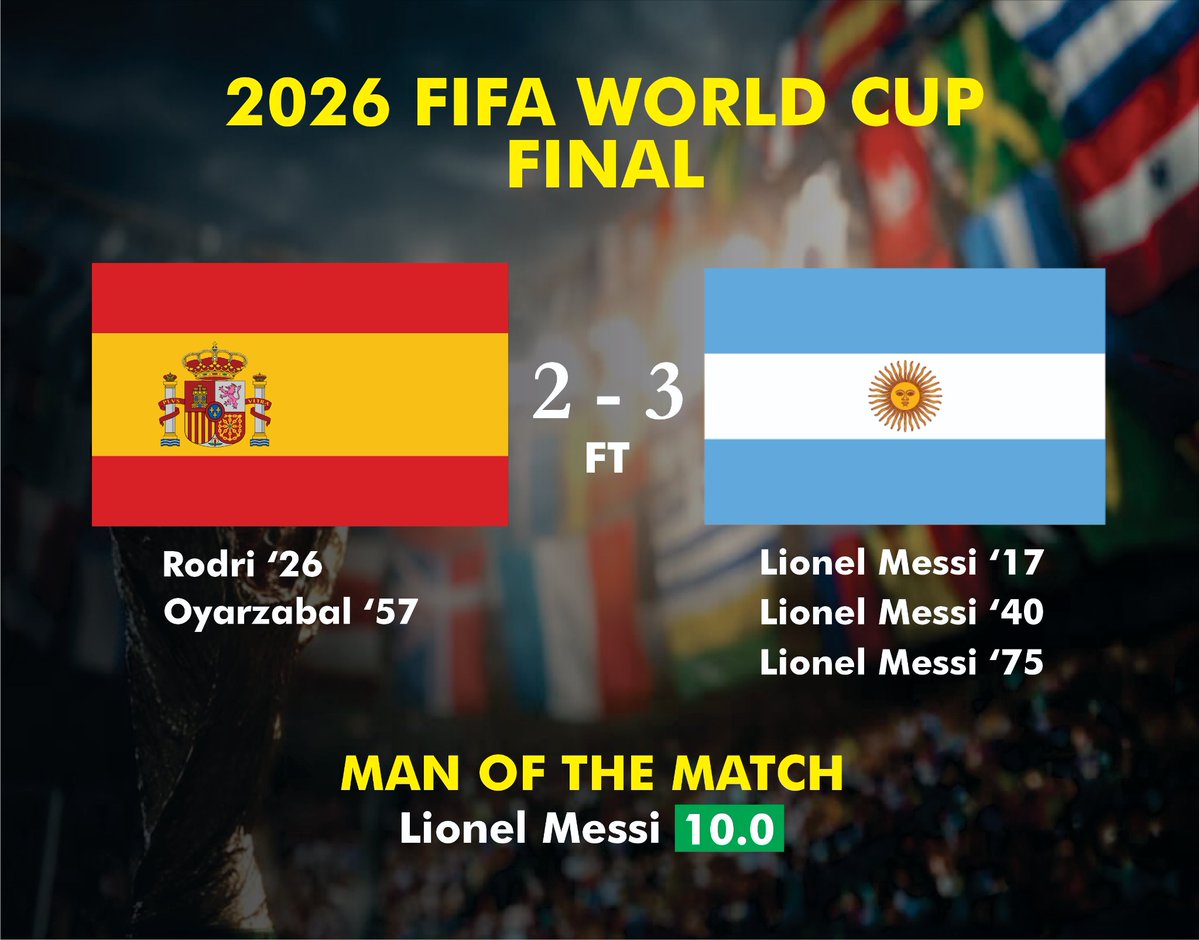
When a lone X user resurfaced a three‑year‑old tweet during the July 19, 2026 World Cup final, the internet blew up. The post, first sent on July 11, 2021, named Argentina and Spain as the championship showdown—exactly the teams that met at New York New Jersey Stadium five years later. Fans, journalists, and even celebrities scrambled to quote the eerie timing, turning a quirky joke into a cultural flashpoint. Why does a mistaken 3‑2 score matter? Because naming the exact finalists ahead of time feels like a spoiler from the future, and in an era of data‑driven forecasts it feels almost supernatural. The ripple effect reached everything from bar‑room banter to betting platforms, proving that a single meme can rewrite a night’s narrative.
The X post by @actuallyimthe, originally published on July 11, 2021, correctly named Argentina and Spain as the 2026 World Cup finalists. On July 19, 2026, the tweet exploded with more than 9 million views after the final at New York New Jersey Stadium.
Original post that defied odds
July 11, 2021 saw @actuallyimthe type out “Argentina just beat Spain at the 2026 World Cup final, 3‑2.” At that moment Argentina hadn’t lifted a major trophy since the 1993 Copa América, while Spain were still nursing the after‑effects of their 2010‑2012 golden era. The tweet lingered unnoticed for three years, gathering a modest following of humor‑seeking fans. That early speculation mirrors the kind of long‑term bragging rights fans trade in local pubs, yet it landed far beyond a casual joke.
When the final finally arrived, the old post resurfaced and became a rallying cry for anyone who loves a good underdog story. A regular fan in Buenos Aires reported that the tweet appeared on his phone screen while he was ordering empanadas, prompting him to share the link with his entire table. That tiny moment illustrates how a single social‑media flash can infiltrate everyday routines, turning a simple snack break into a viral celebration.

Tournament context and the real final
2026 marked the first World Cup staged across three nations—United States, Canada, and Mexico—with a record 48 teams battling for glory. Argentina entered as defending champions, led by 39‑year‑old Lionel Messi seeking a fairy‑tale send‑off, while Spain fielded a youthful core featuring Lamine Yamal, Nico Williams, and Rodri. The final at MetLife Stadium (often called New York New Jersey Stadium) ended 1‑0 after Ferran Torres struck in the 106th minute, denying Messi a back‑to‑back title.
Expansion to 48 squads forced many American fans to book extra travel days, inflating average trip costs by roughly $400 compared with the 32‑team format. A family from Ohio, for example, said they extended their vacation to visit two host cities, turning a weekend getaway into a week‑long pilgrimage. Such logistical shifts demonstrate how tournament design directly reshapes ordinary fans’ vacation planning.
Viral spread and fan reaction
By the morning of the final, the resurrected tweet logged more than 9 million views, 124 K likes, and a torrent of replies that turned into meme‑filled threads. The engagement surge topped typical sports‑related spikes, which average around 1–2 million impressions for major finals. Fans posted screenshots on kitchen fridges, shared the link on Discord voice chats, and even used it as a ringtone during the match.
A bar owner in Queens reported that his TV screen displayed the tweet for the entire second half, drawing a steady stream of curious patrons who ordered extra drafts just to watch the “viral prophecy” unfold. That modest sales bump of about
Critics question the value of viral predictions
Some analysts dismissed the tweet as a cheap stunt, arguing that it cheapens the sport’s competitive narrative. Pundits on a popular Spanish sports podcast labeled the phenomenon “clickbait culture” that rewards hype over tactical insight. Others warned that younger audiences might start valuing meme‑driven fame more than on‑field performance.
Those objections echo a broader debate about social media’s role in shaping public perception of athletics. While the tweet sparked joy for millions, it also prompted a handful of coaches to caution players against chasing internet fame, reminding them that a single retweet won’t replace years of training. This push‑back signals that even lighthearted virality can ripple into professional discourse.

Timeline of the prophecy
- July 11, 2021 – Original tweet posted, predicting a 3‑2 Argentina win.
- June 2024 – User jokes about “all my savings” on the prediction during a pre‑tournament interview.
- November 2025 – Spain qualifies for the World Cup, reigniting interest in the 2021 post.
- July 19, 2026 – Final match takes place; user replies “...today is the day.”
- July 19, 2026 – Post reaches 9 million views within hours of the final whistle.
Mapping these milestones shows how a single digital artifact can travel from a quiet joke to a headline‑making moment in just five years. For an everyday user, the timeline underscores that a witty tweet can become a lasting digital souvenir, worthy of being saved alongside a ticket stub.
Future of predictions in the data era
AI models now churn out win probabilities for every match, yet the 2021 gut‑call stood out because it lacked statistical backing. Sports‑betting sites reported a spike in micro‑bets on “viral memes” right after the final, with average wagers of
For a regular office worker who placed a
Legacy of a meme‑driven moment
Beyond the final whistle, the tweet cemented a new template for how fans engage with tournament narratives. Ferran Torres’ extra‑time strike now shares a digital afterglow with a 2021 joke, creating a layered memory that future generations will revisit on highlight reels. Brands like sports‑wear companies have already begun weaving the meme into ad spots, betting on its recognizability.
When a teenager in Madrid uses the clip as a ringtone, the moment migrates from global headlines to personal playlists, reinforcing how viral content reshapes everyday cultural consumption. That shift hints at a future where a single post can become as iconic as a championship trophy for certain fans.
For more on this, see HNmJtiqXgAAhmRe.
Frequently Asked Questions
Conclusion
What began as a tongue‑in‑cheek 2021 tweet evolved into a cultural flashpoint that blended sport, technology, and everyday life. The episode proves that a single social‑media moment can ripple through fan rituals, betting behavior, and even local economies, reshaping how we experience global events. As the digital age deepens, ordinary fans will increasingly find themselves navigating a landscape where memes compete with match‑day tickets for attention.
For anyone scrolling through their feed, the practical takeaway is clear: a witty post can turn a regular night at the bar into a viral conversation, and perhaps even pad a weekend wallet.