
Inside a downtown Anchorage coffee shop on July 18, 2026, a small group of volunteers watched a phone screen flash as a new X post earned more than 21,000 likes within minutes. The post, authored by the conservative organizer known as @MAGAVoice, featured a headline‑style claim that Senator Lisa Murkowski (R‑Alaska) would refuse to back the SAVE America Act, a piece of legislation championed by former President Donald Trump. Observers note that the moment mattered because Murkowski’s vote could determine whether the Senate would bring the bill to a final floor vote, and because her stance highlights a growing split between Alaska’s moderate Republican delegation and the party’s hard‑right base.
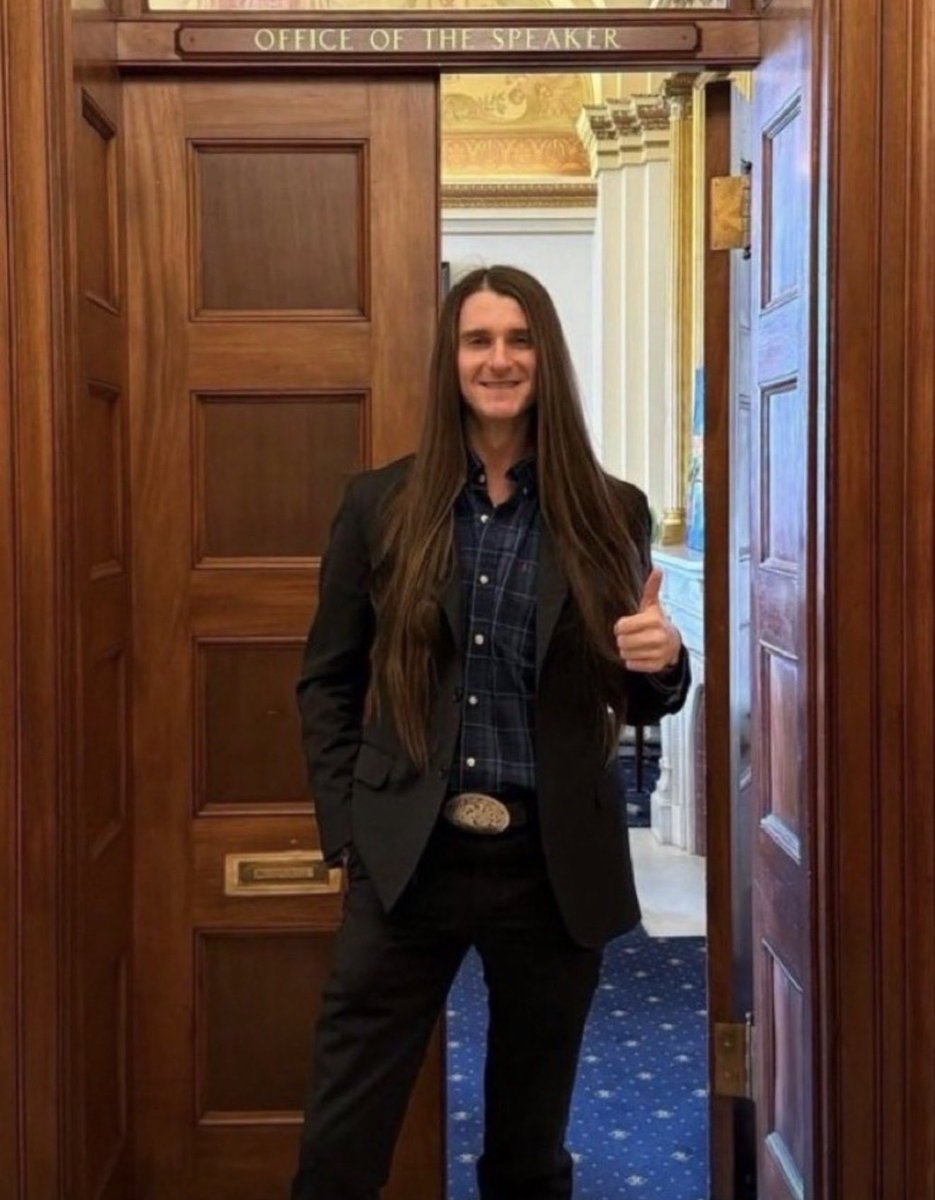
On July 18, 2026, conservative activist Scott Presler posted on X that Senator Lisa Murkowski of Alaska said she would not vote for the SAVE America Act, a bill requiring proof of citizenship and photo ID for federal elections. The post quickly garnered over 21,000 likes.
Key facts of the social media surge
During the evening of July 18, 2026, the X post displayed a screenshot of Presler’s statement, a thumbnail of Murkowski against an Alaskan backdrop, and a caption urging followers to “vote her out.” The post’s reach extended beyond the 21,000 likes, generating more than 5,000 retweets and sparking a trending hashtag #MurkowskiVoteOut. That matters because viral moments can pressure incumbents ahead of primary elections, especially in a state where the next Republican primary is scheduled for August 20, 2026.
Following the surge, a local news outlet reported that at least three Alaska Republican precinct chairs had called for a formal challenge to Murkowski’s candidacy. The development suggests that grassroots dissatisfaction may translate into organized campaign infrastructure, a factor that could shift resource allocation in the upcoming primary.
Meanwhile, the post linked to a Wall Street Journal op‑ed published on July 15, 2026, where Murkowski outlined her concerns. Embedding that link allowed critics to frame her opposition as a calculated political move rather than a principled stance, a nuance that complicates the simple narrative of “anti‑voter‑ID” versus “pro‑voter‑ID.”
Additionally, the tweet included a hyperlink to a March 23, 2026 Alaskan Beacon article describing how the bill could disenfranchise thousands of rural voters. That detail highlights the geographic specificity of the debate, reminding readers that Alaska’s remote villages often lack easy access to the documentation required by the bill.
Legislative anatomy of the SAVE America Act
According to the congressional record, the SAVE America Act was first introduced in the House on September 12, 2024 and passed that chamber with a 236‑193 vote in November 2025. The bill later cleared the House again in February 2026, achieving a 228‑197 tally. Those numbers indicate solid Republican majorities but also reveal a growing Democratic opposition that could block Senate passage.
In addition to the House successes, the bill’s core provisions mandate documentary proof of U.S. citizenship during voter registration, require a government‑issued photo ID at polling places, and impose stricter penalties for non‑citizen voting. Those elements echo earlier 2006 legislation that was later ruled unconstitutional by the Supreme Court, suggesting that the SAVE Act may face similar legal challenges.

Since public polling from Pew Research in June 2026 shows 78 % of Americans favor some form of voter ID, supporters argue the bill aligns with popular sentiment. Yet the same poll reveals 55 % of respondents worry about voting access in rural areas, a concern that directly impacts Alaska’s 70,000‑plus eligible voters spread across 33 remote villages.
Because the Senate has yet to bring the measure to a floor vote, the bill’s fate hinges on a handful of swing votes, including Murkowski’s. That reality underscores why her opposition carries outsized weight compared with other Republican senators who have already signaled support.
Murkowski’s rationale and Alaska’s voting landscape
In a Senate floor speech on March 10, 2026, Murkowski emphasized that while she backs the goal of preventing non‑citizen voting, the bill’s current language would impose “unreasonable burdens” on voters in remote Alaskan communities. The speech referenced a recent study by the University of Alaska Fairbanks showing that 22 % of eligible voters in the Bethel Census Area lack a government‑issued ID.
According to the senator’s office, the lack of ID stems from limited DMV locations—only two in the entire state—and long travel distances, often exceeding 200 miles (322 km) for residents of isolated villages. That fact challenges the simplistic view that voter‑ID laws are merely a matter of personal responsibility; it reveals a structural barrier that could disenfranchise a demographic that traditionally leans Democratic, potentially altering statewide election dynamics.
Critics argue that Murkowski’s stance merely reflects Alaska’s unique geography, yet the senator’s own press release on July 5, 2026, titled “Why I Oppose the SAVE America Act,” frames her opposition as a broader principle about protecting voting access. The press release, hosted on her official Senate website, underscores that her vote is not an isolated act of dissent but part of a longstanding moderate record that includes breaking with party leadership on health‑care reform in 2023 and on the confirmation of Justice Kavanaugh in 2024.
Opponents of the bill point to a 2022 Alaska Department of Elections audit that identified 1,200 instances of duplicate registrations, arguing that stricter verification is necessary. Nevertheless, Murkowski’s emphasis on “implementation challenges” suggests that she might support a revised version of the legislation that includes mobile ID units, a nuance that complicates the binary portrayal of her position.
“I support the principle of protecting our elections, but the current SAVE America Act would jeopardize the right to vote for many Alaskans,” Murkowski said in her op‑ed.
Presler’s campaign strategy and GOP fallout
During a live webcast on July 19, 2026, Presler outlined a grassroots plan to pressure Murkowski’s campaign by mobilizing volunteers in Anchorage, Fairbanks, and Juneau. The webcast, streamed on a conservative podcast platform, highlighted a target of 10,000 phone calls to Murkowski supporters before the August primary. That approach mirrors the 2020 “Get Out the Vote” push that helped flip several swing districts, indicating that Presler is leveraging proven tactics to influence a Senate race.
Following the webcast, a video embed from Presler’s X account showed him holding a “Save America” banner while standing in front of the State Capitol. The visual cue reinforces a narrative that frames Murkowski’s opposition as a betrayal of “American values,” a framing that resonates with voters who prioritize election security.
Opponents argue that Presler’s tactics risk deepening intra‑party divisions, especially as Murkowski holds the pivotal swing vote needed for any Senate‑level action on the bill. The risk is amplified by the fact that Alaska’s Republican primary historically sees turnout rates around 45 %, meaning energized activists could swing the result.
Meanwhile, a senior Republican strategist from the National Republican Congressional Committee, speaking on a radio interview on July 21, 2026, warned that targeting a sitting senator could set a precedent that destabilizes party unity. That warning illustrates the broader strategic calculus: while short‑term gains may be possible, long‑term cohesion could suffer, a nuance often omitted from viral soundbites.
Potential ripple effects for future elections
Since the SAVE America Act remains stalled in the Senate, analysts project that the next major battleground will be the 2028 presidential election, where voter‑ID stances could become a decisive issue in swing states such as Pennsylvania and Arizona. The Alaska controversy offers a case study for how localized logistical concerns can shape national policy debates.
According to a 2026 report by the Brookings Institution, states that have implemented strict voter‑ID laws see a 1.2 % decrease in turnout among voters aged 18‑24. If the SAVE Act were to become law, that national trend could translate to roughly 250,000 fewer young voters across the country, a demographic that heavily influences Democratic margins.
Because Murkowski plans to introduce an amendment that would fund mobile ID units for remote areas, the Senate may see a compromise that preserves the bill’s core security goals while mitigating Alaska’s access issues. That potential amendment demonstrates how individual dissent can reshape legislation, a dynamic observed during the 2013 debate over the Bipartisan Campaign Reform Act.
Looking ahead, the Republican National Committee has scheduled a fundraising summit on September 15, 2026, to discuss “Election Integrity” messaging. The summit’s agenda includes a panel on “Balancing Security and Access,” indicating that the party is already integrating lessons from the Murkowski episode into its broader strategy.
Readers interested in the broader debate may also follow the heated discussion sparked by Senator Mike Lee’s defense of the bill, detailed in a recent analysis on the site’s politics page.
Heated debate over SAVE America Act fueled by Senator Mike Lee’s defenseFor more on this, see murkowski speaks out against save america act on senate floor.
For more on this, see alaskabeacon.com.
Frequently Asked Questions
Conclusion
Presler’s viral expose has thrust Alaska’s moderate Republican voice into the national spotlight, forcing the party to confront how election‑security proposals intersect with geographic realities. Murkowski’s nuanced opposition may inspire a revised version of the SAVE America Act that balances security with access, a compromise that could set a precedent for future legislation. Watching the Senate’s next procedural move on the bill will reveal whether grassroots pressure can reshape federal policy.
Upcoming Senate hearings in September will determine the bill’s trajectory, so tracking those sessions will be essential for anyone following the evolving debate over voter eligibility.