
White House Posts Binary Message Featuring Donald J. Trump Amid Communism Debate
Background
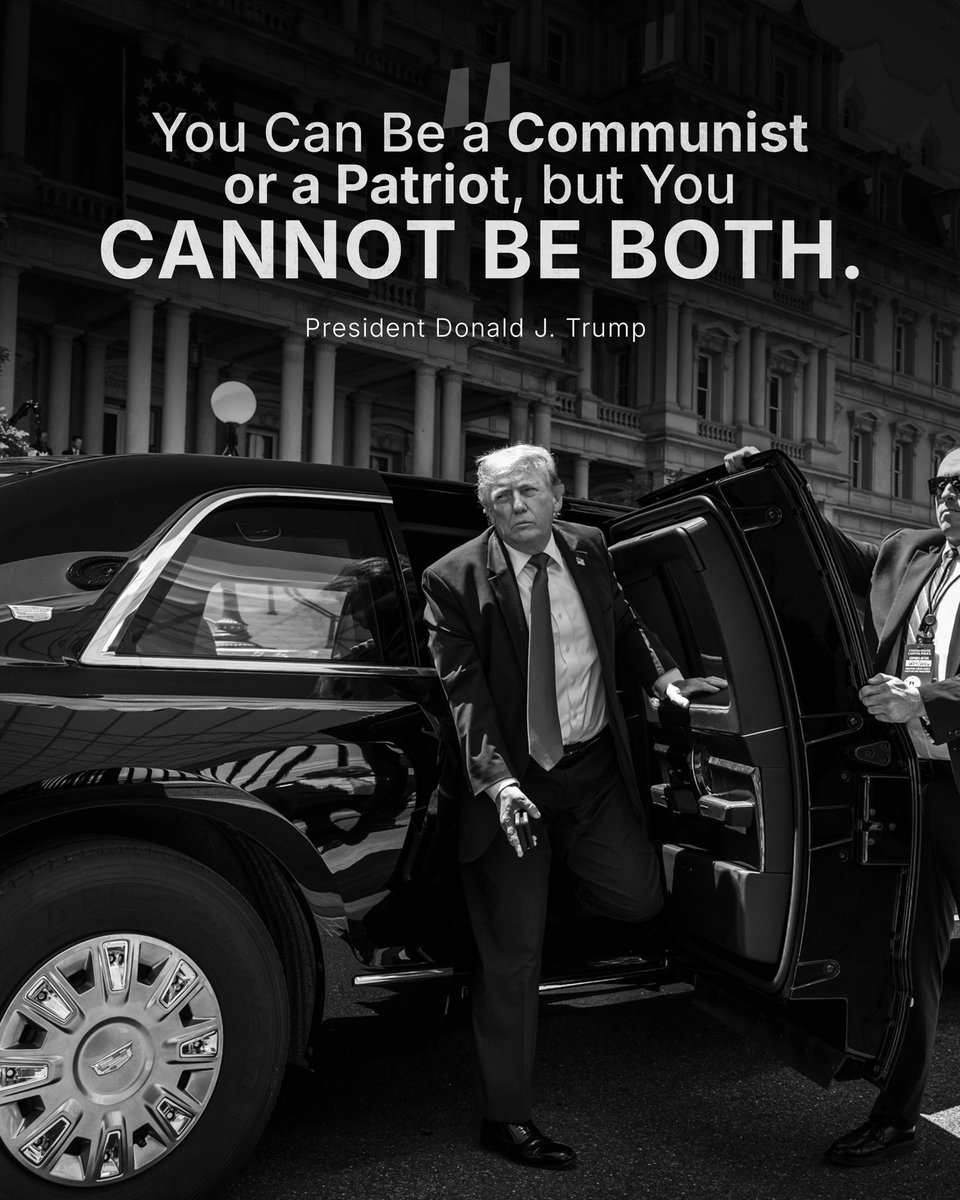
The quote, "You Can Be a Communist or a Patriot, but You CANNOT BE BOTH," has been used by President Trump in various speeches, Truth Social posts, and public remarks. This rhetoric echoes his long-standing criticism of progressive policies, which he and supporters often label as "communist," "socialist," or "Marxist." The administration has pursued aggressive actions on trade, immigration, and national security, and recent presidential actions include adjustments to imports and commemorations for the 250th anniversary of the Declaration of Independence.
Key Facts
President Trump has been a vocal critic of communism, labeling it a threat to American values and institutions. He has used this rhetoric throughout his career, including in his first term as president and during the 2024 campaign. The current post is just one example of this ongoing narrative, which has contributed to the polarized atmosphere in the country.Reaction and Implications
The post has sparked a heated debate across social media and political circles, with some seeing it as a necessary defense against perceived threats to American values and others criticizing it as a false dichotomy used to demonize opponents. Critics argue that the post oversimplifies complex issues and fails to acknowledge the diversity of American society. In response to the backlash, the White House has not issued any statements defending the post.Next Steps
With midterm elections approaching, the debate around issues like fiscal policy, foreign affairs, and national security is intensifying. The post may be seen as an attempt to galvanize support for the administration's agenda and rally its base around a unifying message. However, it remains to be seen how the controversy surrounding the post will affect the administration's overall strategy and election prospects.Background of the Approach
The approach of the Trump administration has been characterized by a binary framing of issues, often pitting American values against perceived threats from the left. This has been a hallmark of his communication style, and the recent post is just another example of this approach. The administration has also been promoting American exceptionalism and emphasizing the importance of national sovereignty.Legal and Constitutional Implications
The implications of the post are multifaceted and far-reaching. Critics argue that the post's framing of issues as a choice between patriotism and communism is a false dichotomy that oversimplifies complex issues. This approach may have significant legal and constitutional implications, as it could be seen as undermining the principles of democracy and the rule of law.Media and Reaction
The post has garnered significant attention from the media, with many outlets and analysts weighing in on its implications. Some have praised the post as a necessary defense of American values, while others have criticized it as a divisive and inflammatory message. The reaction from the media has been intense, with many outlets highlighting the post's potential impact on the election and the administration's agenda.
For more on this, see whitehouse.gov.
For more on this, see whitehouse.gov.
Frequently Asked Questions
What is the context behind the White House's decision to post the binary message?
The White House has not explicitly stated the reasoning behind the post, but it is likely intended to galvanize support for the administration's agenda and rally its base around a unifying message. The post ties into broader Trump administration messaging around American exceptionalism and the importance of national sovereignty.
Has President Trump used this rhetoric before?
Yes, President Trump has repeatedly used variations of this line in speeches, Truth Social posts, and public remarks, contrasting American freedom with the failures of communist regimes. This rhetoric has been a hallmark of his communication style throughout his career.
What are the implications of the post for the election and the administration's agenda?
The post's implications are multifaceted and far-reaching. Critics argue that the post's framing of issues as a choice between patriotism and communism is a false dichotomy that oversimplifies complex issues. This approach may have significant implications for the election and the administration's agenda, as it could be seen as undermining the principles of democracy and the rule of law.
Has the White House responded to the backlash surrounding the post?
No, the White House has not issued any statements defending the post or addressing the backlash surrounding it.
What is the significance of the 250th anniversary of the Declaration of Independence?
The 250th anniversary of the Declaration of Independence is a significant event that has been commemorated by the White House with various initiatives and events. The post ties into this broader narrative, promoting a strong sense of national pride and unity.