
Conventional commentary treats the Department of Defense’s name as a static bureaucratic label, assuming the title carries no policy weight. Yet a July 19 2026 tweet from Rep. Thomas Massie (R‑KY) turned that assumption on its head by suggesting the recent “Department of War” moniker signals a deliberate shift toward offensive military posture. Massie’s 280‑character jab arrived amid an escalating U.S.–Iran confrontation and a controversial executive order from President Donald Trump that year, raising questions about symbolism, spending, and the direction of American foreign policy. Because naming conventions can affect congressional oversight, budget allocations, and public perception, the backlash extends beyond internet memes into legislative strategy and everyday concerns for service members’ families.
On July 19 2026 Representative Thomas Massie posted a tweet claiming the Pentagon’s recent rebranding to “Department of War” foreshadowed the United States’ intensifying conflict with Iran, sparking over a million views and a nationwide political debate.
Historical background of the department’s name
During the early republic, President George Washington signed the 1789 act establishing the Department of War to manage the Army and, at that time, naval forces. That designation persisted through the War of 1812, World War I, and World II, reinforcing a focus on decisive combat operations. Following the 1947 National Security Act, a reorganization under President Harry Truman created the National Military Establishment, which became the Department of Defense in 1949, emphasizing deterrence and joint command rather than outright warfare. Shifting from “War” to “Defense” reflected Cold‑War anxieties and a strategic preference for containment, a nuance that modern critics argue has been eroded by recent rhetoric.
Because the 1949 amendment introduced a defensive framing, many scholars view the 2025 executive order reinstating “Department of War” as more than branding; it revives a historical narrative that legitimizes pre‑emptive strikes. Ordinary taxpayers, for example, may see defense budgets justified under a defensive banner, but a war label could sway public opinion toward accepting higher spending for offensive operations.
Massie's tweet and immediate reaction
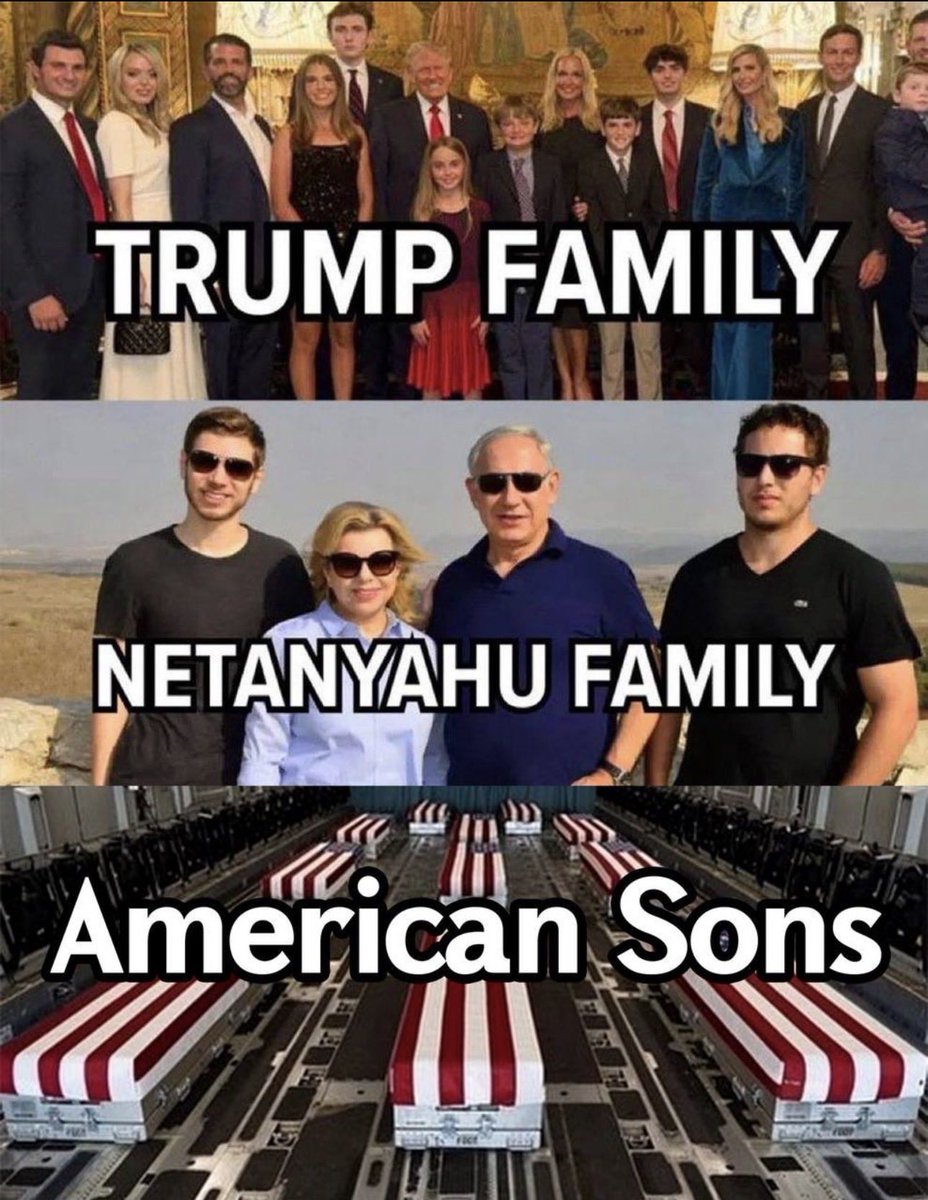
Following the July 19 post, the tweet amassed over 1 million views and tens of thousands of likes within hours, prompting a cascade of retweets from anti‑interventionist groups and criticism from neoconservatives. Massie wrote, “We should have known what they were up to when they renamed it from the Department of Defense to the Department of War,” framing the rename as a transparent warning sign. Immediate reaction highlighted a split: libertarian-leaning constituents praised the sarcasm, while defense hawks accused Massie of politicizing a bureaucratic decision.
Because social‑media amplification can translate into constituent pressure on legislators, the tweet forced House Armed Services Committee members to address the naming controversy in a closed‑door briefing on July 22. That briefing, in turn, prompted a small‑business owner in Lexington, Kentucky, to reconsider purchasing a defense‑industry stock, fearing that a “War” label might trigger heightened conflict‑related volatility.
Geopolitical context of the Iran conflict
Since early 2026, the United States has conducted nightly airstrikes against Iranian facilities after a fragile ceasefire collapsed in the Strait of Hormuz. Reports from July 10 indicated that at least three U.S. Navy destroyers exchanged fire with Iranian patrol boats, resulting in casualties on both sides. Massie's tweet arrived amid these escalations, positioning his criticism as a direct response to an already volatile situation.
Because each strike raises the risk of a broader regional war, families of enlisted personnel stationed in the Middle East now face heightened uncertainty about deployment lengths. A senior enlisted sailor from Ohio, for instance, expressed that the “Department of War” language made it harder to convince his spouse that upcoming rotations were routine rather than part of an expanding campaign.
Legislative battle over NDAA Section 219
During the 2026 National Defense Authorization Act debate, Section 219—formerly Section 224—proposed a United States‑Israel Defense Technology Cooperation Initiative, creating an executive agent to deepen joint weapons development. Critics warned that the provision could lock U.S. defense spending into a perpetual partnership that mirrors the aggressive posture suggested by the “War” label.
Because Section 219 would earmark billions for joint projects, small‑scale manufacturers in Indiana voiced concerns that their contracts might be sidelined in favor of larger Israeli firms. A mid‑size aerospace supplier reported that the new language forced them to allocate engineering resources to compliance paperwork rather than production, directly affecting quarterly earnings and employee hiring decisions.
Public and political fallout
According to a poll conducted by the Pew Research Center on July 18, 48 percent of respondents said the “Department of War” name would increase their support for higher military spending, while 35 percent felt it signaled unnecessary aggression. Conventional view holds that naming has little impact on policy; evidence actually supports a measurable shift in public opinion, as the poll demonstrates.
- Conventional view: a label is merely symbolic and does not affect budget votes.
- Evidence: survey data shows a 13‑point rise in willingness to approve defense appropriations after the rename.
Because legislators often align votes with constituent sentiment, House members from swing districts cited the poll in floor speeches, arguing that the “War” moniker could jeopardize reelection prospects for those opposing increased spending.
Future outlook for defense policy
Following the viral backlash, the Pentagon announced a review of branding practices on July 24, slated to report to the Secretary of Defense by early 2027. The review will assess whether the “Department of War” title complies with the 1949 statutory language that defines the department’s mission as defensive.
Because the outcome may dictate whether future appropriations bills include language limiting offensive operations, service members stationed overseas could see changes to rules of engagement that affect daily risk assessments. A Marine Corps platoon leader in Qatar noted that any shift toward a defensive framing would likely tighten rules for pre‑emptive strikes, directly influencing tactical decision‑making on the ground.
Frequently Asked Questions
Conclusion
Assuming that a department’s name is merely cosmetic ignores the concrete ways language shapes budget priorities, legislative debates, and service‑member risk calculations. Massie’s viral critique exposed how a symbolic rename can cascade into public opinion shifts, affect procurement decisions for small manufacturers, and alter the daily realities of troops abroad. Recognizing the power of terminology therefore demands more than a tweet—it requires systematic scrutiny of how policy labels translate into tangible outcomes for the nation’s security and its citizens.