
US Central Command Launches Third Round of Strikes Against Iranian Targets in the Strait of Hormuz

Key Facts
The U.S. Central Command has been actively countering Iranian aggression in the region under Operation Epic Fury, a campaign launched in late February 2026. According to CENTCOM, this operation aimed to degrade Iran's missile, drone, naval, and command infrastructure, achieving significant degradation of Iranian capabilities. On July 7, 2026, the initial response to attacks on three vessels involved ~80 targets, including over 60 IRGC small boats. Additional strikes on July 8, 2026, hit ~90 targets, including air defense systems, coastal surveillance, missile/drone sites, naval capabilities, and logistics infrastructure.
Reactions and Implications
People Involved
The Commander in Chief has directed the strikes to hold Iranian forces accountable for their actions. This marks a significant escalation of military operations in the Middle East, with the U.S. reaffirming its commitment to freedom of navigation in the Strait of Hormuz. The Iranian government has been criticized for its aggressive actions in the region, which have resulted in disruptions to commercial shipping and put the lives of civilian mariners at risk.
What Happens Next
The U.S. Central Command has emphasized the precision of its munitions and the effectiveness of its efforts to impose "heavy costs" on Iran for violating ceasefires and undermining international commerce. The conflict in the Strait of Hormuz remains a complex and dynamic situation, with various actors involved and multiple interests at stake. The international community is closely watching the developments and urging all parties to exercise restraint and respect the rules of navigation.Official Statements
Official Links
The U.S. Central Command has announced the strikes through its official social media channels and website. The public can access additional information and statements on the CENTCOM website or through official releases on DVIDS. For those looking to follow the latest developments, the CENTCOM X post can be found on Twitter, where it has garnered substantial engagement.Video Footage
Commercial Links
The commercial implications of the conflict in the Strait of Hormuz are significant, affecting oil and LNG shipments that pass through the waterway. The U.S. and its allies have urged Iran to respect the rules of navigation and refrain from any actions that could put civilian mariners at risk.Regional Links
The conflict in the Strait of Hormuz has regional implications, with various countries and actors involved. The U.S. and its allies have called for restraint and respect for the rules of navigation, while Iran has been criticized for its aggressive actions in the region.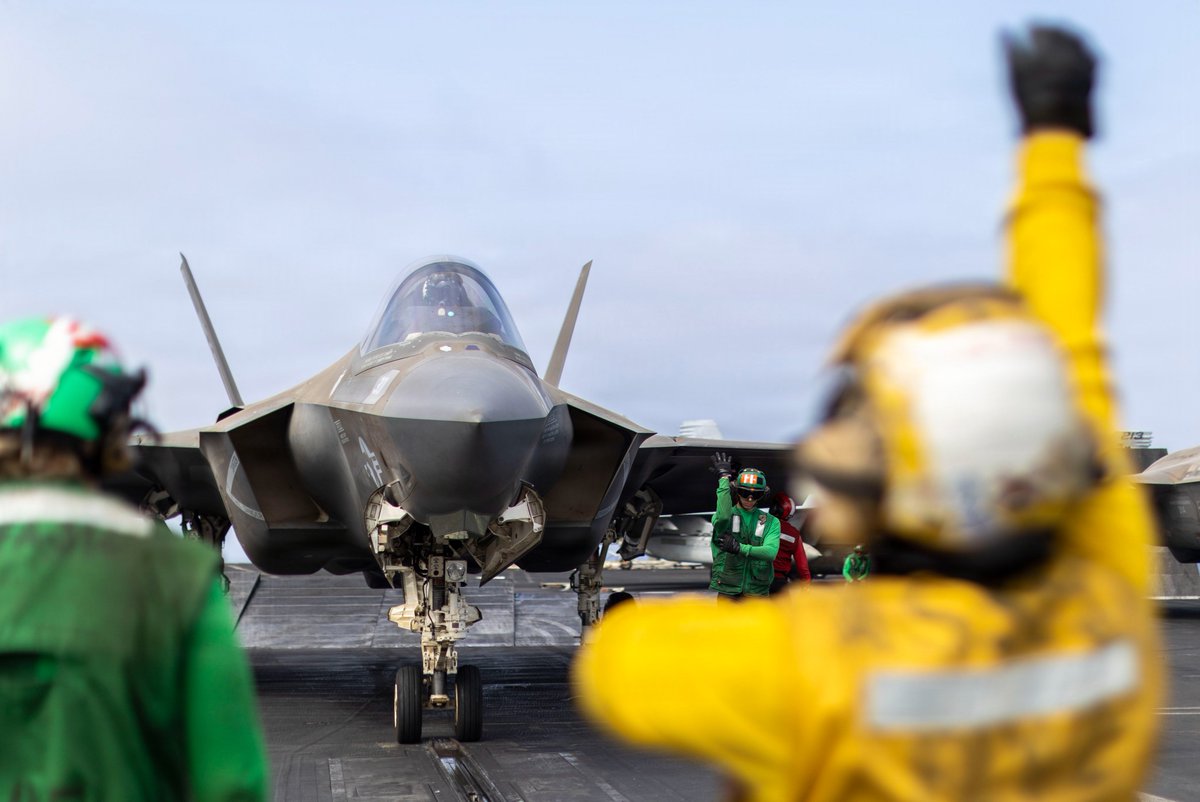
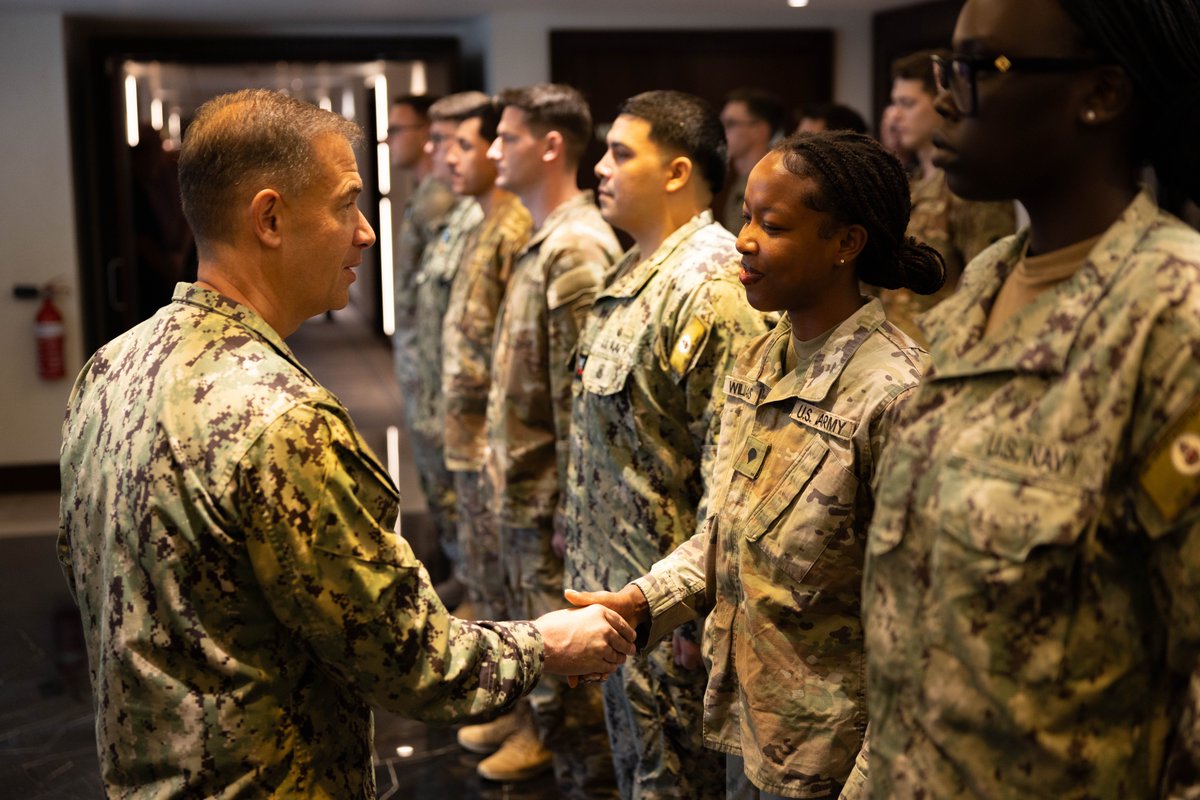
For more on this, see centcom.mil.
For more on this, see centcom.
Frequently Asked Questions
What is the purpose of the U.S. Central Command's strikes in the Strait of Hormuz?
The U.S. Central Command's strikes in the Strait of Hormuz aim to degrade Iran's capacity to threaten civilian mariners and commercial shipping, upholding freedom of navigation and protecting the rights of international shipping.
How many strikes has the U.S. Central Command conducted against Iranian targets in the Strait of Hormuz?
The U.S. Central Command has conducted multiple strikes against Iranian targets in the Strait of Hormuz, with the latest round marking the third wave of strikes in a week.
What is Operation Epic Fury?
Operation Epic Fury is a broader campaign launched in late February 2026, aimed at degrading Iran's missile, drone, naval, and command infrastructure, achieving significant degradation of Iranian capabilities.
What is the status of the Marshall Islands-flagged M/T Al Rekayyat?
The Marshall Islands-flagged M/T Al Rekayyat was among the vessels attacked by Iranian forces, with the U.S. Central Command launching strikes in response.
What is the significance of the Strait of Hormuz?
The Strait of Hormuz is a critical waterway for oil and LNG shipments, with approximately 20-30% of global oil and LNG shipments historically passing through it.
Conclusion
The U.S. Central Command's strikes against Iranian targets in the Strait of Hormuz are a significant escalation of military operations in the Middle East. The conflict has significant implications for global trade, with the U.S. and its allies urging Iran to respect the rules of navigation and refrain from any actions that could put civilian mariners at risk. As the situation remains complex and dynamic, the international community is closely watching the developments and urging all parties to exercise restraint and respect the rights of international shipping.Comments (0)