Shivam Das Bulletin News is a community wire. Some contributors post age-restricted
(NSFW) content, labeled where it appears. You need to confirm you're
old enough to view that kind of content before entering the site.
This choice is only stored in your own
browser (localStorage) — nothing is sent to the server, and it never
unlocks any specific post; individual NSFW posts still show their own
label wherever they appear.
Every story gets a byline, a signal score, and a place on the wire.
+ Start writing
WorldNSFWUNPUBLISHED
US Central Command Affirms Open Transit in Strait of Hormuz Amid Rising Tensions
Shivam Das
July 13, 2026
US Central Command Affirms Open Transit in Strait of Hormuz Amid Rising Tensions
On July 12, 2026, U.S. Central Command (CENTCOM) issued a statement affirming the open transit of the Strait of Hormuz, a critical waterway for global energy trade, despite rising tensions with Iran. The statement directly challenged Iranian claims of control over the strait, declaring it open to lawful maritime traffic. This move comes as part of a broader conflict between the U.S. and Iran, which escalated dramatically in early 2026 with the 2026 Iran war. The conflict has involved intense exchanges, including missile and drone barrages, leading to significant casualties and displacement across the region.
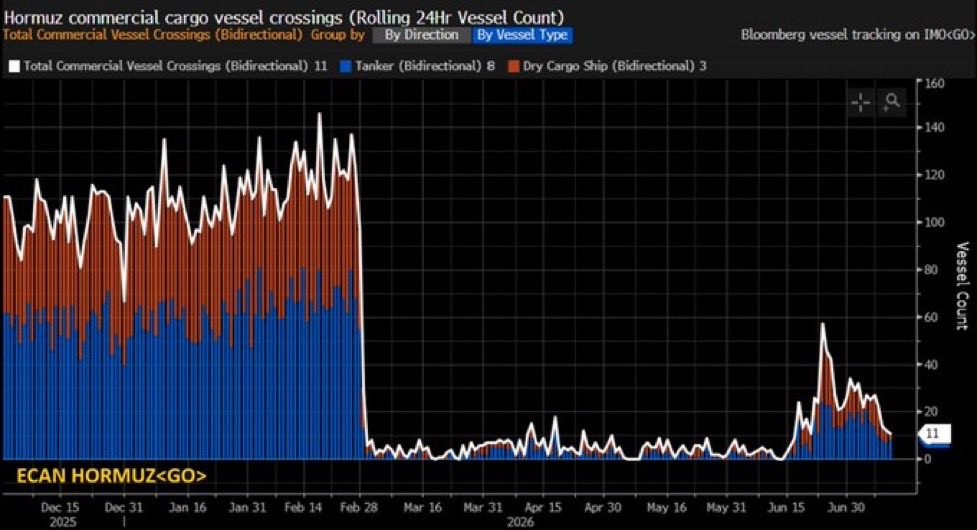
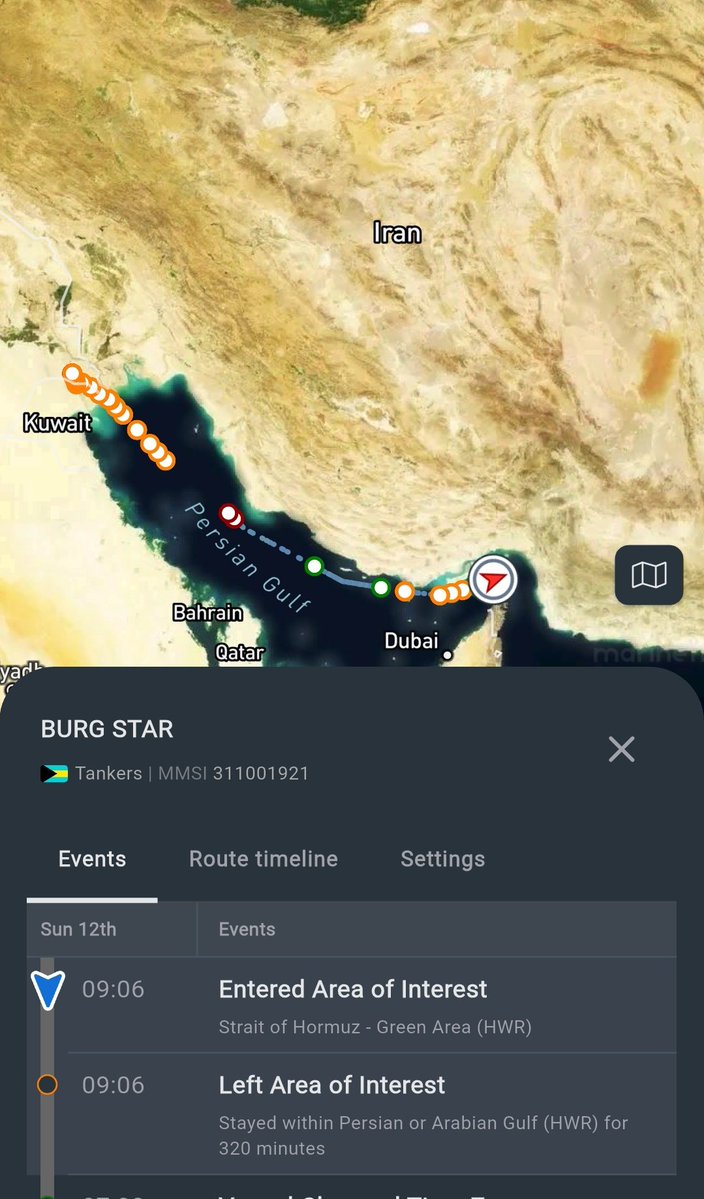
According to CENTCOM, the Strait of Hormuz is open to all vessels seeking to lawfully transit the international waterway. U.S. forces are positioned and prepared to ensure that freedom of navigation remains available despite unwarranted Iranian aggression, harassment, threats, and arbitrary declarations. Iran does not control the strait, and traffic is flowing. This is evident in the fact that U.S. forces have facilitated the transit of 800+ ships and 400+ million barrels of crude oil over the last two months.
The statement was accompanied by an infographic titled "STRAIT OF HORMUZ OPEN FOR TRANSIT," which features a satellite image of the strait separating the Persian Gulf from the Gulf of Oman. The graphic highlights key bullet points, including the fact that pathways for free transit through the Strait of Hormuz remain open and that Iran does not control the international waterway used by commercial vessels to globally transport goods and energy.
### Key Facts
The Strait of Hormuz is one of the most strategically significant waterways on the planet, with approximately 20-30% of the world's seaborne oil trade and a significant portion of liquefied natural gas passing through it daily under normal conditions. Disruptions here have immediate global economic repercussions, including spikes in oil prices and supply chain instability. The strait is a critical chokepoint for global energy trade, with many major oil-producing countries relying on it for the transportation of their oil.
### Background
The 2026 Iran war began on February 28, 2026, with U.S. and Israeli operations targeting Iranian leadership and military capabilities. The conflict has involved intense exchanges, including missile and drone barrages, leading to significant casualties and displacement across the region. A ceasefire and subsequent memorandum of understanding (reportedly the Islamabad Memorandum signed around June 17, 2026) aimed to de-escalate and reopen the strait, but implementation has been fraught.
### People Involved
The U.S. Central Command (CENTCOM) is the U.S. Department of Defense's forward-based headquarters for U.S. military operations in the Middle East. The command is responsible for U.S. military operations in the Middle East, North Africa, and Central Asia. CENTCOM is headquartered at MacDill Air Force Base in Tampa, Florida.
### Reactions
The CENTCOM statement has been met with a mixed reaction from various stakeholders. Some have welcomed the move as a necessary step to maintain freedom of navigation in the strait, while others have expressed concern over the escalation of tensions between the U.S. and Iran. The Iranian government has repeatedly sought to assert greater control over the strait, declaring it "closed" at times and firing warning shots or attacking vessels perceived as using unauthorized routes.
### Implications
The implications of the CENTCOM statement are significant. If Iran were to close the Strait of Hormuz, it would have immediate global economic repercussions, including spikes in oil prices and supply chain instability. The move would also undermine the U.S. military's ability to project power in the region and maintain freedom of navigation. In contrast, the CENTCOM statement affirms the open transit of the strait, maintaining the U.S. military's ability to project power and ensuring the continued flow of oil and other goods.
### What Happens Next
The situation in the Strait of Hormuz remains fluid, with ongoing tensions between the U.S. and Iran. The CENTCOM statement is a clear assertion of U.S. military resolve in the region, but it remains to be seen how Iran will respond. The U.S. military has positioned forces in the region to ensure the continued flow of oil and other goods, but the situation remains volatile.
### Frequently Asked Questions
What is the significance of the Strait of Hormuz?
The Strait of Hormuz is one of the most strategically significant waterways on the planet, with approximately 20-30% of the world's seaborne oil trade and a significant portion of liquefied natural gas passing through it daily under normal conditions. Disruptions here have immediate global economic repercussions, including spikes in oil prices and supply chain instability.
What is the current status of the 2026 Iran war?
The 2026 Iran war began on February 28, 2026, with U.S. and Israeli operations targeting Iranian leadership and military capabilities. The conflict has involved intense exchanges, including missile and drone barrages, leading to significant casualties and displacement across the region. A ceasefire and subsequent memorandum of understanding (reportedly the Islamabad Memorandum signed around June 17, 2026) aimed to de-escalate and reopen the strait, but implementation has been fraught.
What is the role of U.S. Central Command (CENTCOM) in the situation?
The U.S. Central Command (CENTCOM) is the U.S. Department of Defense's forward-based headquarters for U.S. military operations in the Middle East. The command is responsible for U.S. military operations in the Middle East, North Africa, and Central Asia. CENTCOM is headquartered at MacDill Air Force Base in Tampa, Florida.
What are the implications of the CENTCOM statement?
The implications of the CENTCOM statement are significant. If Iran were to close the Strait of Hormuz, it would have immediate global economic repercussions, including spikes in oil prices and supply chain instability. The move would also undermine the U.S. military's ability to project power in the region and maintain freedom of navigation.
What happens next in the situation?
The situation in the Strait of Hormuz remains fluid, with ongoing tensions between the U.S. and Iran. The CENTCOM statement is a clear assertion of U.S. military resolve in the region, but it remains to be seen how Iran will respond.
### Conclusion
The CENTCOM statement affirming the open transit of the Strait of Hormuz is a significant move in the ongoing conflict between the U.S. and Iran. The statement directly challenges Iranian claims of control over the strait, declaring it open to lawful maritime traffic. The implications of this move are significant, with the potential to maintain freedom of navigation in the strait and undermine Iran's ability to close it. The situation remains fluid, with ongoing tensions between the U.S. and Iran, and it remains to be seen how Iran will respond to the CENTCOM statement.