
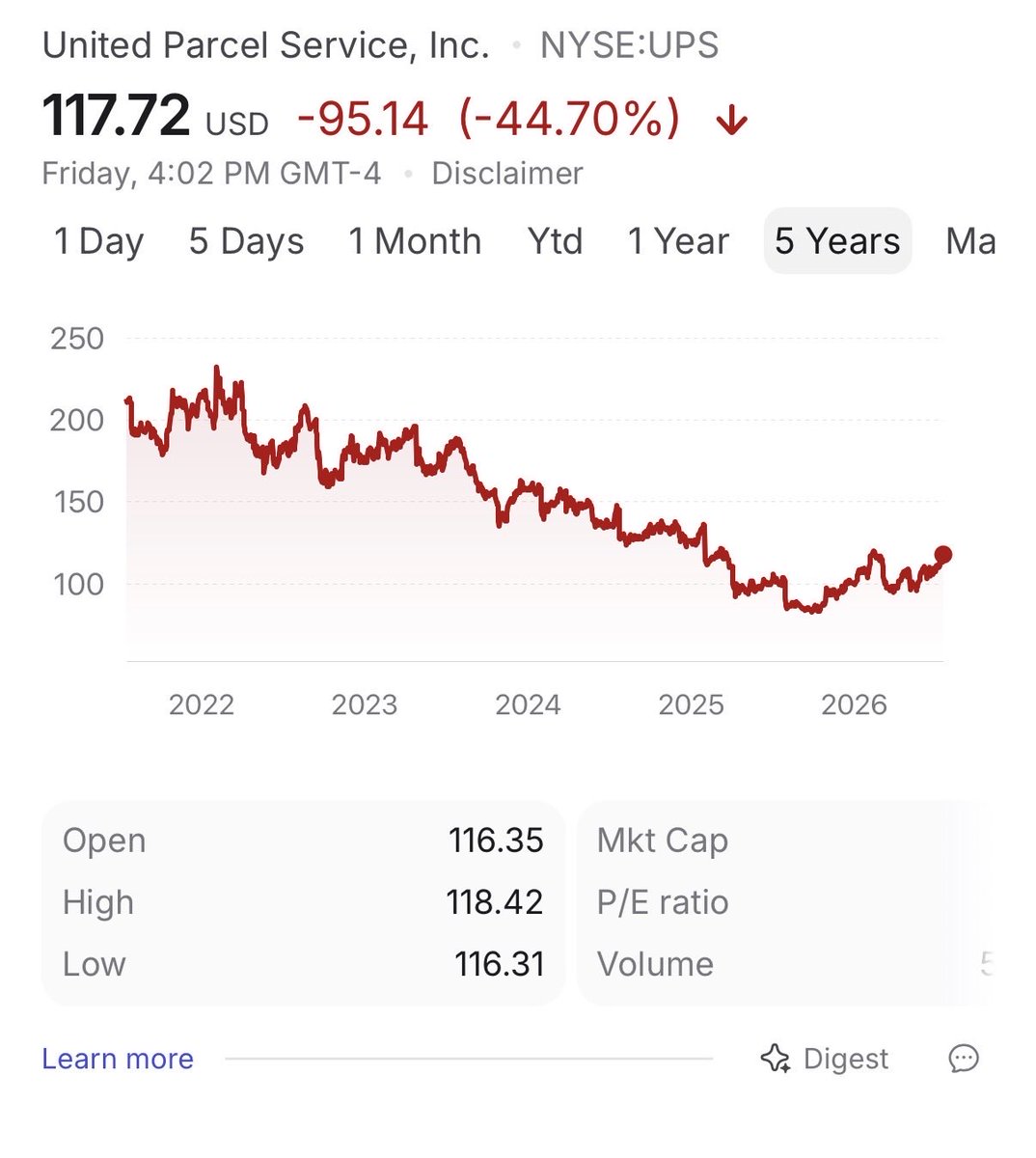
UPS finds itself at the center of a labor firestorm as a whistleblower’s video spreads across X, drawing more than 1.6 million views within hours. The clip, posted on July 19 2026, shows a veteran driver claiming the company’s voluntary buyout program is a covert method to replace high‑earning staff with newcomers paid roughly half as much. That matters because the alleged cost‑saving tactic arrives amid a $3 billion+ efficiency drive and a sharp decline in Amazon parcel volumes, two forces reshaping the U.S. logistics landscape. If senior drivers earning up to
In July 2026 a UPS employee posted a video on X alleging the company’s buyout program is being used to replace senior drivers earning
Buyout Program Origins
UPS announced a voluntary buyout scheme in early 2025, offering eligible full‑time package car and feeder drivers a lump‑sum payment of roughly
Company documents indicate the buyout program initially targeted up to 10,000 drivers before a cap of 7,500 was imposed after intense Teamster pushback, a detail reported by caps on driver buyouts. The cap illustrates how union negotiations can still force strategic adjustments, even when corporations pursue aggressive cost‑saving measures, highlighting the continued relevance of collective bargaining in the logistics sector.
Inside the Whistleblower Video
On July 19 2026, the X account @WallStreetApes uploaded a three‑minute clip that quickly amassed 1.6 million views and thousands of likes. The speaker, a female UPS employee in a brown uniform, directly addresses the camera from inside a delivery truck, holding a laptop that displays buyout figures and pay‑scale charts. Her statements include, “Now they’re hiring people at the lower rate because we have a scaled progression and it takes four years to hit top scale,” and “That’s why they offered the buyout. Now they hired new people at half the rate.” By broadcasting on a public platform, the employee bypasses traditional internal channels, amplifying the issue to a national audience and forcing UPS to respond under public scrutiny.
Analysts note that the video’s raw authenticity — captured by the driver herself rather than a polished corporate statement — lends credibility to the allegations, a factor that often sways public opinion more effectively than press releases. Moreover, the timing aligns with UPS’s ongoing negotiations with the Teamsters, suggesting the employee aimed to leverage the viral moment to strengthen bargaining positions.
Per‑Driver Savings Calculated
Senior drivers at UPS reportedly earn total compensation between
However, the lower‑pay model might introduce hidden expenses, such as increased training costs and higher turnover rates, which historically have added 10‑15 % to operational budgets in logistics firms. Comparing UPS’s strategy to FedEx’s 2023 pilot program — which kept senior pay levels while investing in automation — underscores the trade‑off between immediate payroll reductions and long‑term service quality. That contrast matters because it highlights the risk that short‑term financial gains could erode the reliability UPS has built over decades.
How This Unfolded
- July 19 2026 – @WallStreetApes posts the whistleblower video on X, quickly surpassing 1.6 million views.
- July 20 2026 – Major news outlets publish analyses linking the video to UPS’s ongoing cost‑cutting plan.
- July 21 2026 – UPS releases a statement emphasizing “commitment to workforce stability,” while Teamsters file a formal objection to the buyout cap.
- July 22 2026 – declining Amazon volume is cited as a catalyst for the restructuring, with UPS shedding roughly $5 billion in Amazon‑related revenue.
- July 23 2026 – Internal UPS memo circulates, confirming the 4‑year progression scale that new hires must complete before reaching senior pay tiers.
Each step reveals how a single social‑media post can accelerate corporate decision‑making, especially when labor unions already voice concerns. The rapid sequence also shows UPS’s need to balance public perception with operational adjustments, a dynamic that could influence future negotiations across the logistics sector.
Reactions and Implications
Teamsters President Lee Raymond declared the buyout scheme “a thinly veiled attempt to erode seniority rights” and urged members to reject any offers until a new contract is secured. Critics argue the approach undermines the loyalty that has historically distinguished UPS drivers from competitors, potentially prompting a wave of resignations that could strain delivery capacity during peak seasons.
Conversely, UPS executives maintain that the strategy aligns with shareholder expectations for margin improvement, noting that profit margins have slipped from 6.5 % in 2023 to 5.2 % in 2025. By trimming high‑cost labor, the company hopes to restore profitability without resorting to broader layoffs, a tactic that may become a template for other parcel carriers facing similar e‑commerce headwinds. That duality matters because it frames the debate not merely as a labor dispute but as a strategic crossroads for the entire U.S. shipping industry.
For more on this, see 9k0nJOGpypkT0mnE.
Frequently Asked Questions
Conclusion
Looking ahead, UPS faces a decisive moment as the buyout deadline approaches on September 30 2026. Management must decide whether to extend the program beyond the capped 7,500 participants or to pivot toward automation and route optimization to achieve the same cost goals. The outcome will likely set a precedent for how large carriers balance labor costs with service reliability, influencing not only UPS’s bottom line but also the broader logistics ecosystem that underpins American commerce.