
Trump Refuses to Sign 21st Century ROAD to Housing Act Over Voter Integrity Measure

Background
The 21st Century ROAD to Housing Act has been in the works for months, with bipartisan negotiations between House and Senate leaders. The bill emerged from months of negotiations between House and Senate leaders, including bipartisan figures like Sens. Elizabeth Warren and Tim Scott, and Reps. Maxine Waters and French Hill. The bill's key provisions include boosting housing supply, modernizing outdated federal programs, addressing institutional investors buying single-family homes, and aiming to lower costs for renters and buyers amid record-high prices.Key Facts
The 21st Century ROAD to Housing Act passed with overwhelming support in both the Senate (85-5) and the House (358-32). The bill aims to address America's housing shortage by streamlining permitting, reducing regulatory burdens, and incentivizing construction. The bill also modernizes outdated federal programs, addresses institutional investors buying single-family homes, and aims to lower costs for renters and buyers amid record-high prices.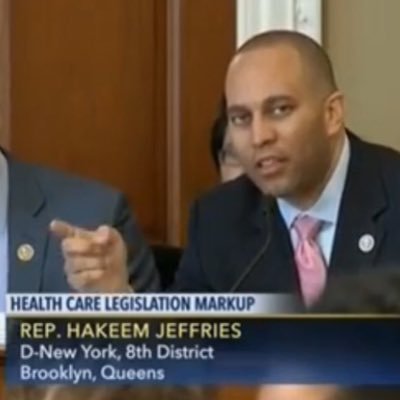
Reactions
House Democratic Leader Hakeem Jeffries was quick to respond to President Trump's decision, taking to social media to express his outrage. "Republicans would rather make it harder to vote than easier to afford a home," Jeffries tweeted. "When people show you who they are, believe them." The tweet quickly gained traction, with thousands of likes, reposts, quotes, and replies reflecting deep divisions.Implications
The President's decision to veto the 21st Century ROAD to Housing Act has significant implications for the nation's housing affordability crisis. The bill's provisions aimed to address the shortage of affordable housing units, but without the President's signature, those efforts will be delayed. The decision also highlights the deep divisions within the Republican party, with some members supporting the SAVE America Act and others opposing it.What Happens Next
The future of the 21st Century ROAD to Housing Act is uncertain, but one thing is clear: the partisan tensions within the Republican party are running high. With the SAVE America Act at the center of the standoff, it remains to be seen whether the bill will eventually become law. In the meantime, the nation's housing affordability crisis will continue to worsen, leaving millions of Americans struggling to find affordable housing.For more on this, see bipartisanpolicy.org.
For more on this, see congress.gov.
For more on this, see bipartisanpolicy.org.
For more on this, see congress.gov.
For more on this, see jeffries.house.gov.
For more on this, see video.twimg.com.
Frequently Asked Questions
What is the 21st Century ROAD to Housing Act?
The 21st Century ROAD to Housing Act is a landmark bipartisan bill aimed at addressing America's severe housing affordability crisis. The bill aims to address the shortage of affordable housing units by streamlining permitting, reducing regulatory burdens, and incentivizing construction.
What is the SAVE America Act?
The SAVE America Act is a bill that requires documentary proof of U.S. citizenship for voter registration in federal elections. The bill has been met with strong opposition from Democrats, who argue that it is an attempt to restrict voting rights.
Why did President Trump refuse to sign the 21st Century ROAD to Housing Act?
President Trump refused to sign the 21st Century ROAD to Housing Act because he opposes the bill's provisions, particularly the SAVE America Act. The President has stated that he will not sign the bill until the Senate passes the SAVE America Act.
What are the implications of the President's decision?
The President's decision to veto the 21st Century ROAD to Housing Act has significant implications for the nation's housing affordability crisis. The bill's provisions aimed to address the shortage of affordable housing units, but without the President's signature, those efforts will be delayed.
What happens next?
The future of the 21st Century ROAD to Housing Act is uncertain, but one thing is clear: the partisan tensions within the Republican party are running high. With the SAVE America Act at the center of the standoff, it remains to be seen whether the bill will eventually become law.