

The Crime and Conviction
The victim was described in federal statements as having been assaulted multiple times. Vang allegedly attempted to pay her for silence. In text messages obtained by the investigation, Vang told the victim that her abuse was not a "big deal" and that it was a "normal way of life" in Laos. The abuse continued for two years, with Vang ultimately pleading guilty in 2005.The Pardon Controversy
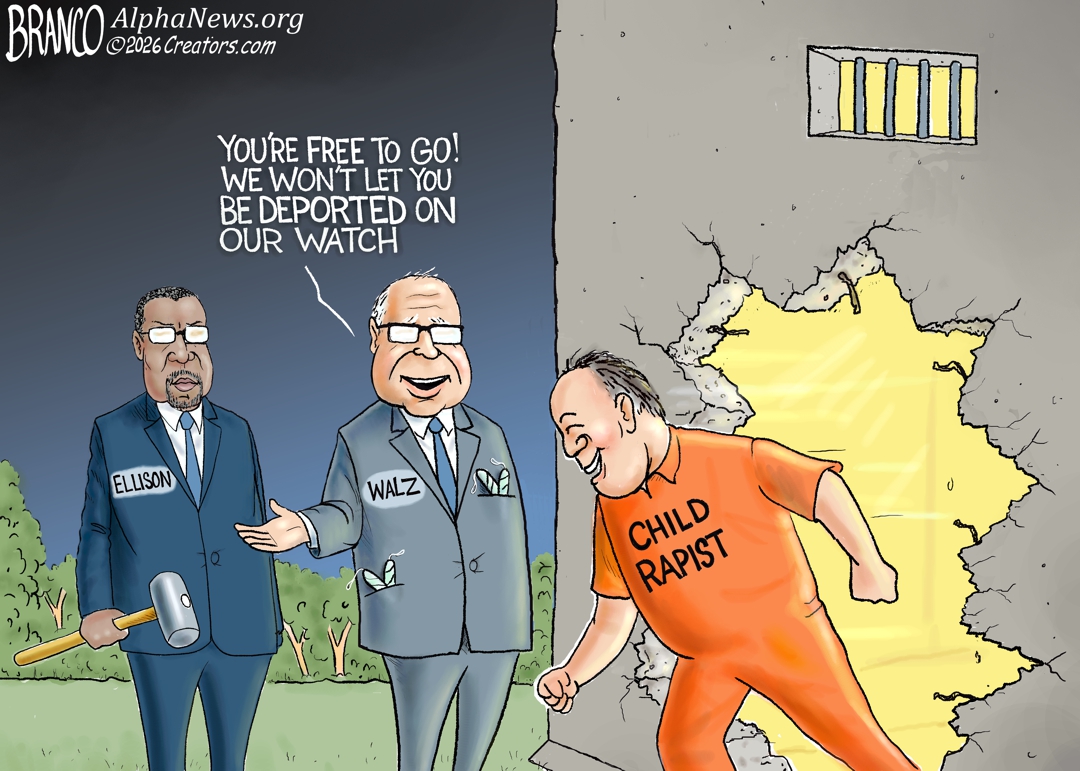
The Minnesota Board of Pardons, comprised of Governor Tim Walz, Attorney General Keith Ellison, and Chief Justice Natalie Hudson, granted Vang a pardon on June 10, 2026, after a roughly 15-minute hearing. Factors cited for the pardon included a letter from the now-adult victim expressing forgiveness, Vang's expression of remorse, support letters from family and community, Vang's rehabilitation claims, and his family's impact (his US-born children would lose their father, home, and education if deported). The pardon effectively erased the conviction from his record for state purposes. Critics argued that the pardon was timed to block imminent deportation. The Department of Homeland Security (DHS) condemned the decision, stating that Vang was a "migrant child sexual abuser" and that the pardon was "disgusting." The Department of State took a similar stance, calling the pardon "a slap in the face to victims of child abuse." Secretary of State Marco Rubio released a statement saying, "The Trump administration will not tolerate those who commit heinous crimes against children." On July 10, 2026, the Trump administration revoked Vang's legal status, allowing for his deportation. ### Federal Response and DeportationFederal Response and Deportation
In a statement, the White House said, "The president is committed to protecting American families and keeping our communities safe from individuals who have committed heinous crimes." The deportation marks a significant shift in the administration's stance on immigration, as it rejects the power of gubernatorial pardons in shielding individuals from deportation. The Trump administration's decision was seen as a strong stance against child abuse and a demonstration of its commitment to protecting American families. The deportation has sparked intense debate over immigration policy, victims' rights, and the limits of gubernatorial pardons. ### Reaction and ImplicationsReaction and Implications
Juanita Broaddrick, a prominent voice on X and advocate for victims of sexual assault, shared a viral post highlighting the story, labeling Vang a "vile animal." Gov. Tim Walz defended the pardon, stating that it was a "compassionate decision" made with the victim's support. The Trump administration's decision has been hailed as a victory for victims of child abuse. The deportation has also sparked debate over the efficacy of rehabilitation programs for individuals convicted of child abuse. ### ConclusionConclusion
The deportation of Tou Lue Vang serves as a stark reminder of the complexities of immigration policy and the limits of gubernatorial pardons. The case highlights the need for a more nuanced approach to rehabilitation and the importance of protecting American families from individuals who have committed heinous crimes. The Trump administration's decision has been met with praise from those advocating for victims' rights, but it also raises questions about the power of the executive branch in shielding individuals from deportation. As the debate continues, one thing is clear: the case of Tou Lue Vang will have far-reaching implications for immigration policy and the protection of American families.What is the nature of the crimes committed by Tou Lue Vang?
Tou Lue Vang was convicted of repeatedly sexually abusing a 10-year-old girl in Minnesota between 2002 and 2004. He pleaded guilty in 2005 to first-degree criminal sexual conduct and was sentenced to 144 months of probation.
What was the decision of the Minnesota Board of Pardons?
The Minnesota Board of Pardons, comprised of Governor Tim Walz, Attorney General Keith Ellison, and Chief Justice Natalie Hudson, granted Vang a pardon on June 10, 2026, after a roughly 15-minute hearing, citing a letter from the now-adult victim expressing forgiveness, Vang's expression of remorse, support letters from family and community, Vang's rehabilitation claims, and his family's impact.
Why did the Trump administration revoke Vang's legal status?
The Trump administration revoked Vang's legal status on July 10, 2026, after the pardon, stating that it would not tolerate individuals who commit heinous crimes against children.
What is the current status of Vang's children?
Vang's US-born children would lose their father, home, and education if deported, as they are American citizens.
What is the stance of the Trump administration on the pardon?
The Trump administration does not recognize the pardon and has instead chosen to deport Vang, citing its commitment to protecting American families and keeping communities safe from individuals who have committed heinous crimes.
For more on this, see whitehouse.gov.
For more on this, see ice deports immigrant pardoned minnesota.
For more on this, see cbsnews.com.
For more on this, see kstp.com.