
SpaceX Falcon 9 Successfully Launches 24 Starlink Satellites from Vandenberg Space Force Base
Key Facts
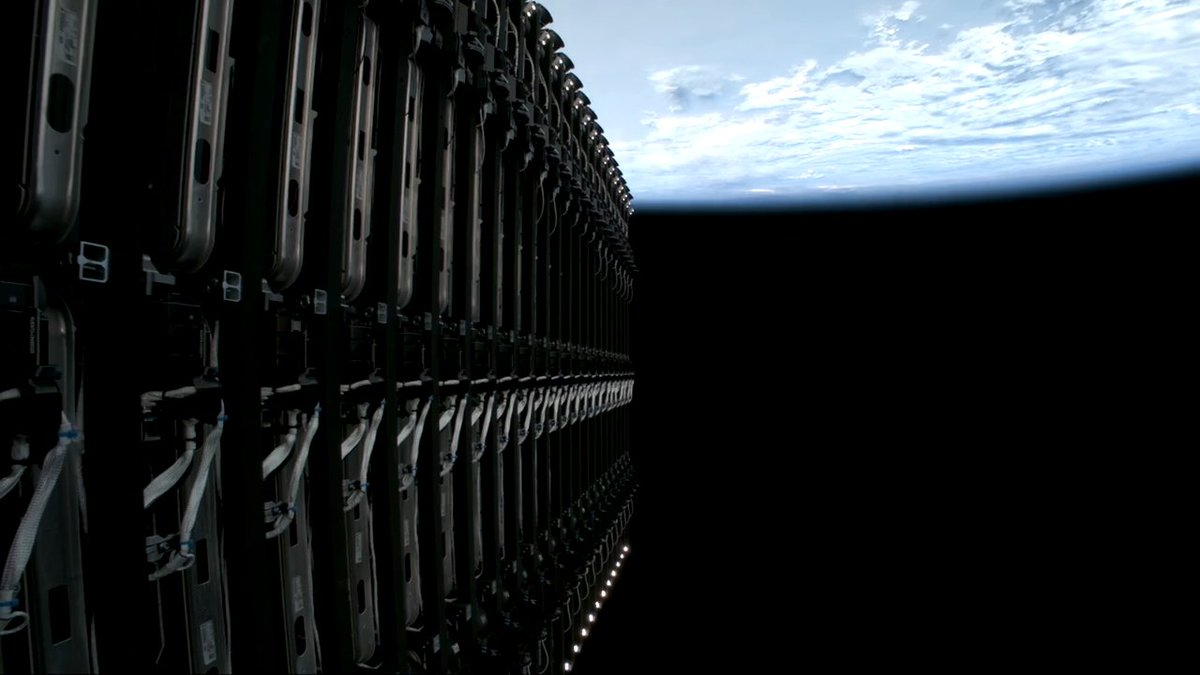
Approximately 8-9 minutes after launch, the first stage executed its boostback, entry, and landing burns, touching down precisely on the droneship. The second stage continued to orbit, deploying the 24 Starlink V2 Mini satellites about an hour after liftoff. SpaceX's official X post captured the excitement: "Falcon 9 launches 24 @Starlink satellites from California." Accompanying media included an 11-second clip of the rocket piercing through clouds with bright engine plume and a deployment view of satellites in orbit against Earth's curvature. The launch of 24 Starlink satellites from Vandenberg Space Force Base marks another milestone in SpaceX's efforts to expand its global internet constellation. As of early July 2026, the network boasts approximately 10,400–10,700+ operational satellites, with cumulative launches exceeding 12,000. This particular mission adds to over 1,600 satellites deployed in 2026 alone.Broader Context: Starlink's Rapid Expansion
Starlink, SpaceX's satellite internet constellation, has transformed from an ambitious concept into a critical global infrastructure project. From Vandenberg, missions often target higher-inclination orbits, enhancing coverage for polar regions, maritime users, and remote areas. Starlink provides low-latency broadband (typically 20-40 ms) to users in over 100 countries, supporting everything from rural households and disaster relief to aviation, maritime, and even military applications. Recent efforts include lowering altitudes of older satellites for better performance and safety, with thousands being maneuvered from ~550 km to ~480 km.Falcon 9: The Reusability Revolution
The Falcon 9 rocket, a workhorse vehicle, performed nominally, following a south-southwesterly trajectory ideal for polar or sun-synchronous orbits favored by many Starlink missions from Vandenberg. The rocket's propellant consisted of subcooled liquid oxygen and rocket-grade kerosene (RP-1), with engines including 9 Merlin 1D on the first stage and 1 Merlin Vacuum on the second. The payload capacity of the Falcon 9 is approximately ~22,800 kg to LEO (ex.Media Reactions
Public reactions poured in quickly, with users sharing sightings from places like Redondo Beach at sunset. One reply noted anticipation for even larger Starship-enabled deployments of hundreds of satellites per launch. SpaceX's official video captured the excitement, with an 11-second clip of the rocket piercing through clouds with bright engine plume. Accompanying media included a deployment view of satellites in orbit against Earth's curvature.Implications and Next Steps
The deployment of 24 Starlink satellites from Vandenberg Space Force Base underscores the company's relentless pace in expanding its megaconstellation. As of early July 2026, the network boasts approximately 10,400–10,700+ operational satellites, with cumulative launches exceeding 12,000. This particular mission adds to over 1,600 satellites deployed in 2026 alone. Recent efforts include lowering altitudes of older satellites for better performance and safety, with thousands being maneuvered from ~550 km to ~480 km.Future Plans
SpaceX has announced plans to launch even larger Starship-enabled deployments of hundreds of satellites per launch. This would significantly expand the company's global internet constellation, providing high-speed internet to millions worldwide. The deployment of 24 Starlink satellites from Vandenberg Space Force Base marks another milestone in SpaceX's efforts to expand its global internet constellation.For more on this, see hyhlYX 0IZZesydJ.
For more on this, see starlink.com.
For more on this, see stats.
Frequently Asked Questions
What is the purpose of the Starlink satellite constellation?
The Starlink satellite constellation is a network of thousands of satellites designed to provide high-speed internet to millions worldwide, supporting everything from rural households and disaster relief to aviation, maritime, and even military applications.
How many operational satellites does the Starlink network boast?
As of early July 2026, the Starlink network boasts approximately 10,400–10,700+ operational satellites, with cumulative launches exceeding 12,000.
What is the payload capacity of the Falcon 9 rocket?
The payload capacity of the Falcon 9 rocket is approximately ~22,800 kg to LEO (ex.
What is the purpose of the reusable Falcon 9 rocket?
The reusable Falcon 9 rocket is designed to drastically reduce costs by allowing the first stage to land and be reused, with hundreds of successful landings achieved by SpaceX.
What is the timeline for future Starlink deployments?
SpaceX has announced plans to launch even larger Starship-enabled deployments of hundreds of satellites per launch, significantly expanding the company's global internet constellation.