
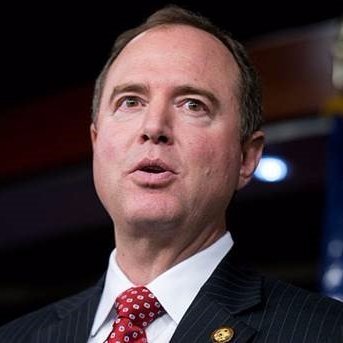
Amid a heated confirmation hearing on July 19, 2026, Senator Adam Schiff (D‑CA) posted a short video that instantly went viral, showing Attorney General nominee Todd Blanche concede he signed a document that grants the Trump family immunity from past tax liabilities. That clip, shared on X, sparked a wave of commentary about the intersection of political patronage, legal precedent, and the Treasury’s ability to enforce tax law. Schiff’s decision to publicize the exchange underscores a broader Senate push to scrutinize the nominee’s ties to former President Donald Trump, while also highlighting the potential for a single settlement to reshape the IRS’s enforcement landscape. Understanding why this moment matters requires looking at the settlement’s language, the nominee’s career, and the historical rarity of such blanket immunity provisions.
On July 19, 2026 Senator Adam Schiff posted a video showing Attorney General nominee Todd Blanche admit he signed a document that gives the Trump family permanent immunity from past tax claims. The post revealed the deal during Blanche’s Senate confirmation hearing.
Key facts of the immunity document
On May 19, 2026 a one‑page addendum was attached to the settlement in Trump v. Internal Revenue Service (No. 1:26‑cv‑20609, S.D. Fla.). That addendum contains language stating the United States is “FOREVER BARRED and PRECLUDED” from pursuing any tax‑related claims against Donald Trump, his children, the Trump Organization, and affiliated parties for returns filed before the settlement date. Because the wording is unusually expansive, legal scholars argue it pushes the limits of executive authority, potentially setting a precedent that future administrations could invoke to shield high‑profile individuals.
Analysis shows that such sweeping immunity is atypical; historically, settlements have focused on specific disputed amounts rather than blanket releases. Comparing this deal to the 2002 Enron‑IRS settlement, which addressed only a single tax year, highlights how this case could redefine the scope of negotiated tax resolutions.
Details from the confirmation hearing
During the hearing, Chairman Chuck Grassley (R‑IA) asked Blanche, “Did you write this language?” Blanche responded, “I didn’t type it up myself,” and later added, “I don’t know the person that actually typed it.” That exchange, captured in a 35‑second clip, forms the centerpiece of Schiff’s viral post. Video evidence demonstrates that Blanche held the sealed document while being questioned, suggesting he was aware of its contents despite his claim of ignorance.
Interpretation of Blanche’s testimony matters because it raises questions about personal accountability in the execution of high‑level agreements. If a nominee cannot recall who drafted a binding legal instrument, oversight bodies may find it difficult to hold officials responsible, potentially eroding confidence in the confirmation process.
Context of the Trump‑IRS settlement
In May 2026 the Justice Department negotiated a settlement that ostensibly ended Trump’s lawsuit alleging the IRS leaked his tax returns. Alongside a proposed
Historical perspective indicates that retroactive immunity of this magnitude is virtually unheard of; the only comparable instance involved a narrow, time‑limited waiver granted to a multinational corporation in 2010 after a prolonged tax dispute. Thus, the Trump deal stands out as a potential outlier that could embolden future litigants to demand similar protections.
Todd Blanche’s career trajectory
Prior to his nomination, Blanche served as a federal prosecutor and later as Donald Trump’s personal defense attorney in several high‑profile cases, including the 2020 election‑related investigations. His close association with Trump raised eyebrows among Senate Democrats, who cited the nominee’s lack of independent judgment as a red flag. Blanche’s admission that he signed the immunity document, despite claiming no knowledge of its drafting, adds a new layer to concerns about conflicts of interest.
Comparing Blanche’s path to that of former Attorney General Jeff Sessions reveals a pattern: both nominees transitioned from partisan legal work to top‑level DOJ positions, prompting debates about the politicization of the Justice Department. Such patterns suggest that Blanche’s confirmation could become a flashpoint for broader discussions about the independence of the nation’s chief law‑enforcement officer.
Political reactions across the aisle
Senator Mitch McConnell (R‑KY) dismissed the video as “political theater,” arguing that the document merely resolved a settled dispute. Conversely, Senate Majority Leader Chuck Schumer (D‑NY) called the revelation “a stark reminder of how deeply entrenched patronage can undermine the rule of law.” Both parties referenced the New York Times report that detailed internal DOJ debates over the legality of the immunity clause.
Implications for upcoming midterm elections are significant; voters in swing states may view the controversy as evidence of systemic corruption, potentially influencing turnout. That matters because historically, scandals involving the Justice Department have swayed public opinion, as seen during the 2006 midterms following the Jack Bramble investigation.
Legal implications and judicial scrutiny
Following the hearing, a federal judge in Washington, D.C. ordered a limited review of the immunity addendum, citing procedural irregularities in the settlement’s approval process. The judge’s order references the Department of Justice’s own guidance that such broad releases require explicit congressional consent. If the court rules the document invalid, the IRS could reopen audits on the Trump family’s past returns.
Because the case sits at the intersection of executive authority and statutory tax enforcement, a ruling against the immunity clause could reinforce the principle that no individual is above the tax code. That precedent would likely deter future administrations from seeking similarly sweeping waivers, reinforcing accountability mechanisms.
Next steps in the confirmation process
- Senate Judiciary Committee schedules a follow‑up hearing to probe Blanche’s knowledge of the document’s language.
- Attorney General nominee provides a written statement clarifying his role in the settlement.
- Full Senate votes on the nomination, with a potential filibuster if bipartisan concerns persist.
- Judicial review of the immunity clause proceeds, potentially reaching the Supreme Court.
Sequence matters because each step builds legal and political pressure that could ultimately determine whether Blanche assumes the Attorney General role. Analysis suggests that if the Senate delays the vote, the administration may replace Blanche with a less controversial figure, preserving the DOJ’s credibility.
For more on this, see HUQUmw1uCatNXx2u.
For more on this, see trump irs immunity audit.
Frequently Asked Questions
Conclusion
Senator Adam Schiff’s decision to broadcast Todd Blanche’s admission has thrust a little‑known settlement into the national spotlight, forcing lawmakers, judges, and the public to confront the consequences of granting sweeping tax immunity. The episode illustrates how a single legal document can ripple through political institutions, judicial oversight, and public trust. Ordinary citizens should watch the outcome because it will shape how tax law is enforced and whether powerful individuals can evade accountability through negotiated deals.