
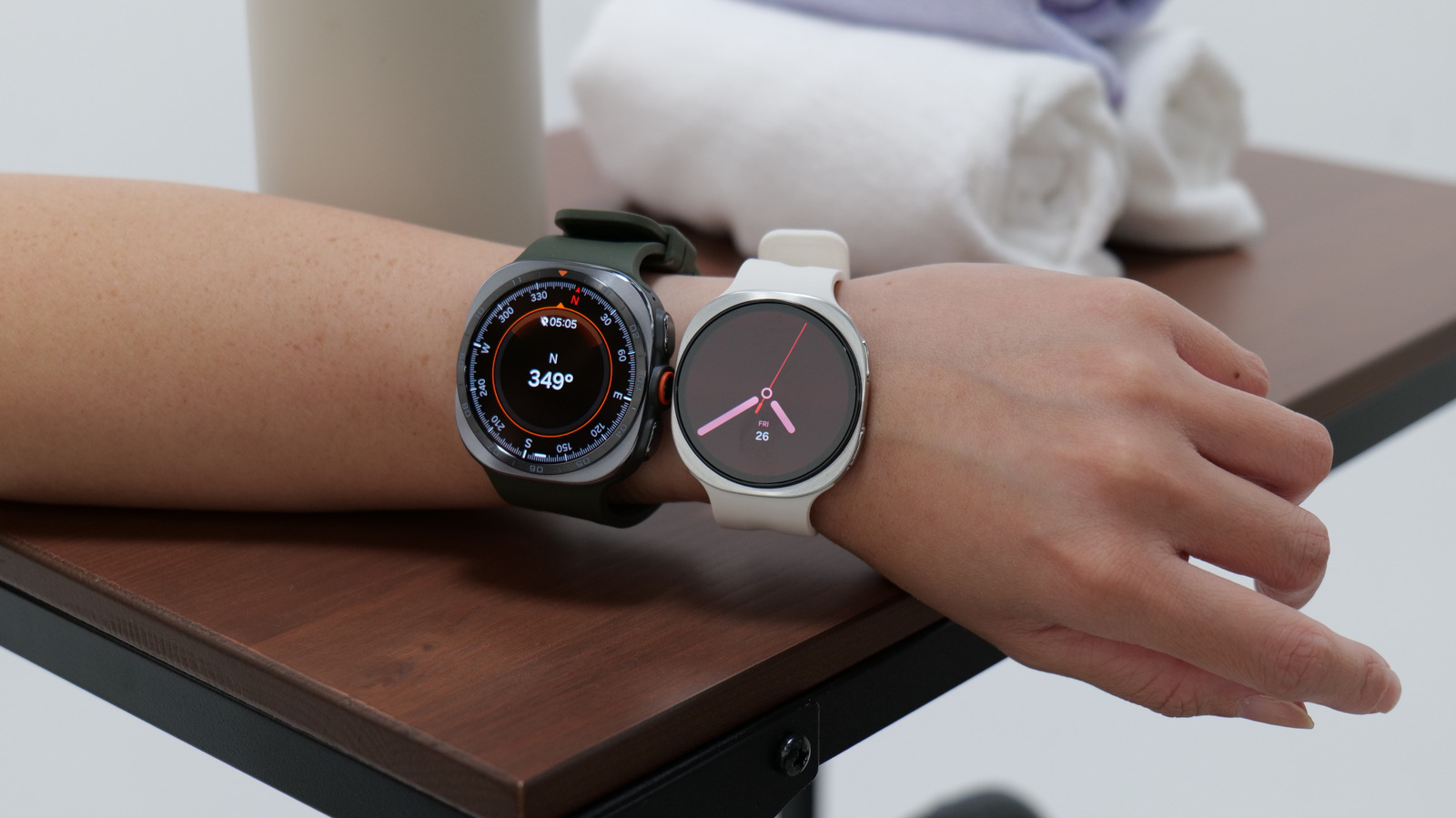
Common wisdom suggests every new smartwatch brings a dramatic redesign and a flood of fresh hardware. Recent launch on July 22, 2026, proves that notion wrong: Samsung’s Galaxy Watch 9 largely recycles the Galaxy Watch 8’s silhouette, swapping only a few millimeters and polishing the bezel. Consumers who expected a bold visual overhaul instead receive a set of incremental tweaks that barely shift the device’s feel on the wrist. Because wearables compete on battery endurance, health sensors, and price, these modest changes could sway buying decisions more than flashy marketing slogans. Understanding exactly what changed—and why Samsung chose a cautious path—helps U.S. shoppers gauge whether the $399‑$449 price tag truly represents value.
Samsung unveiled the Galaxy Watch 9 on July 22, 2026, offering 45 mm and 41 mm models priced at $449 and $399 respectively. The new version keeps most hardware identical to the Galaxy Watch 8, adding a slimmer bezel, a BioActive Sensor 2.0 and 45 W fast charging.
45mm and 41mm case sizes with slimmer bezel
Recent specifications list two case diameters—45 mm for the larger model and 41 mm for the smaller—both crafted from the same stainless‑steel or aluminum alloy used in the prior generation. Bezel thickness shrank by roughly 3 % compared with the Watch 8, creating a marginally narrower profile. This subtle visual refresh makes the watch look slightly more refined on the wrist, yet ergonomics remain largely unchanged because the overall diameter and strap attachment points stay identical. Users accustomed to the 2025 model will notice hardly any difference when slipping the newer version on, meaning the redesign does not address long‑standing complaints about bulkiness.
1.4‑inch Super AMOLED screen keeps 450 nits peak brightness
Recent product sheets confirm a 1.4‑inch Super AMOLED display delivering a peak brightness of 450 nits, matching the exact resolution of 450 × 450 pixels found in the Galaxy Watch 8. No increase in pixel density or HDR support appears, so outdoor readability stays on par with the predecessor. Despite Samsung’s promotional language touting “enhanced visibility,” identical specs mean users gain no measurable advantage in sunlight or under harsh indoor lighting. Compared with the Apple Watch SE’s 1,000‑nit peak, the Watch 9 still lags behind competitors that have pushed brightness ceilings higher in recent years.
BioActive Sensor 2.0 adds ECG, SpO2, body‑composition
Recent marketing material highlights the BioActive Sensor 2.0, which bundles electrocardiogram (ECG), blood‑oxygen (SpO2), and body‑composition analysis into a single module. Samsung asserts accuracy comparable to the earlier model, noting that no additional hardware sensors were introduced. Firmware refinements may fine‑tune measurement algorithms, but the absence of new hardware limits the potential for breakthrough health insights. Compared with Fitbit Versa 4’s dedicated skin‑temperature sensor, the Watch 9’s sensor suite remains less comprehensive, keeping it in the mid‑range of health‑focused wearables.
Snapdragon Wear 4100+ chipset runs Wear OS 4 with One UI Watch 5.1
Recent teardown reveals the same Snapdragon Wear 4100+ processor powering the device, paired with 1.5 GB of RAM and the latest Wear OS 4 operating system layered with Samsung’s One UI Watch 5.1 skin. Software upgrades deliver smoother animations and faster app launches, yet the unchanged silicon caps the ceiling for future feature rollouts. When developers target more demanding workloads—such as AI‑based voice assistants—the 4100+ may become a bottleneck, especially as rivals adopt newer chips that promise double the GPU performance.
361 mAh and 425 mAh batteries promise 5‑day usage, 45 W fast charge
Recent battery specifications list a 361 mAh cell for the 41 mm model and a 425 mAh cell for the 45 mm version, both advertised to last about five days under typical usage patterns. Fast‑charging capability jumps to 45 W, allowing a full charge in roughly 30 minutes according to Samsung’s lab tests. Faster charging mitigates downtime, yet identical capacity means overall endurance stays on par with the Watch 8, which also offered a five‑day claim.
- Conventional view: higher wattage automatically translates to longer battery life.
- What the evidence actually supports: the 45 W charger shrinks recharge time, but unchanged mAh capacity means daily runtime remains unchanged.
Launch price $399 and $449 undercuts Galaxy Watch 8, eyes Apple Watch SE competition
Recent pricing details set the smaller 41 mm model at $399 and the larger 45 mm version at $449, representing roughly a 10 % discount compared with the Galaxy Watch 8’s launch price earlier this year. Positioning targets the Apple Watch SE, which retails for $279, and the Fitbit Versa 4, priced around $229, creating a mid‑tier option that still feels premium because of Samsung’s brand cachet. This modest price cut aims to sustain market share as wearable growth plateaus in the United States, where shipments fell 2 % year‑over‑year in Q2 2026. American consumers who prioritize ecosystem compatibility—especially those already using Samsung smartphones—may find the price sweet enough to upgrade, even without major hardware gains.
For more on this, see engadget.com.
FAQ
Galaxy Watch 9 delivers incremental tweaks, not a generational leap
Recent analysis shows Samsung chose to refine rather than reinvent, keeping core hardware identical while polishing aesthetics and charging speed. Consumers seeking a radical upgrade should look elsewhere, but price‑sensitive U.S. buyers who already own Samsung phones may find the $399‑$449 price point compelling enough to replace a year‑old model. Accepting the modest nature of these changes helps set realistic expectations and prevents disappointment that often follows hype‑driven launch cycles.