
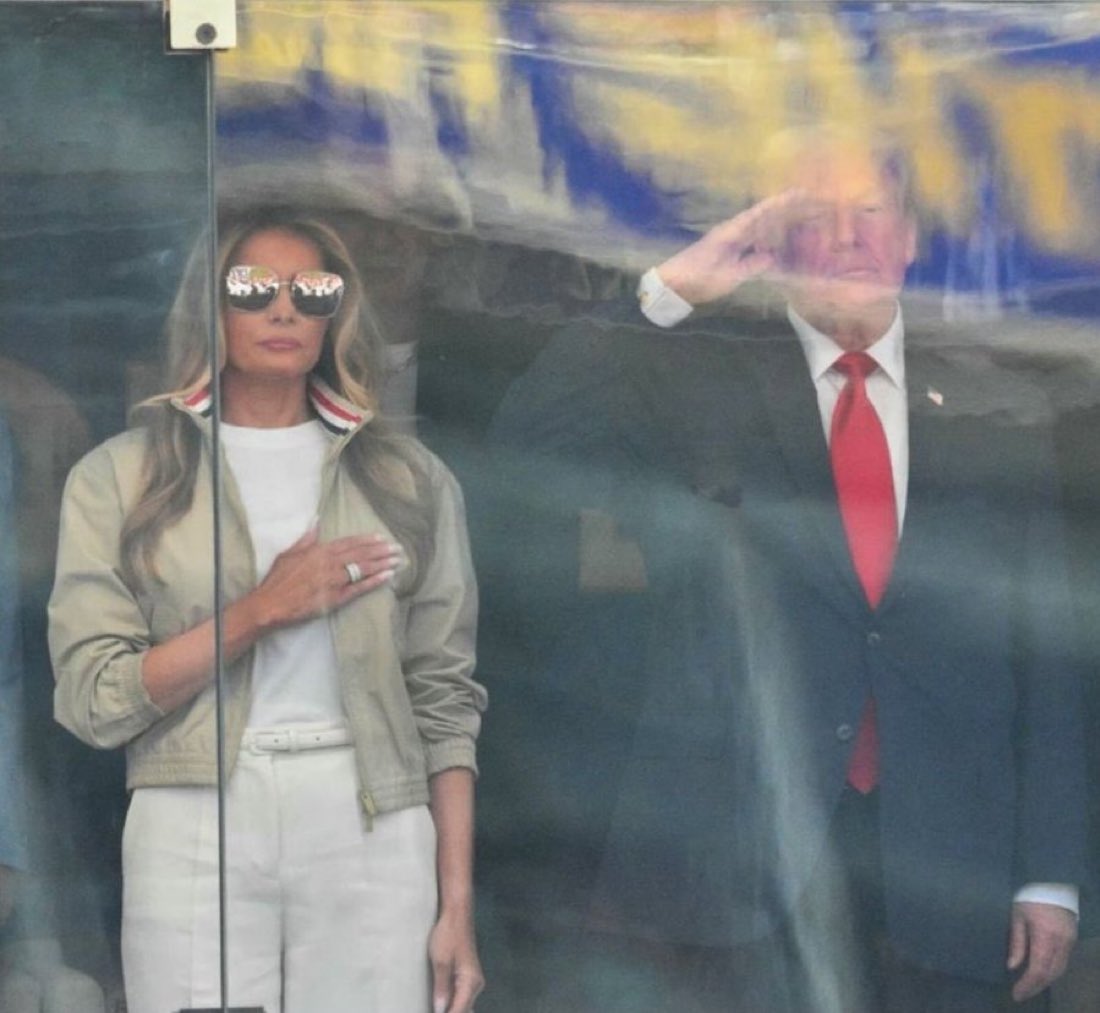
When a former commander‑in‑chief steps onto the stage of the sport’s biggest night, the clash between political theater and global athletics becomes impossible to ignore. On July 19, 2026, former President Donald J. Trump and First Lady Melania Trump arrived at MetLife Stadium in East Rutherford, New Jersey, to watch Spain defeat Argentina in a 1‑0 extra‑time thriller. Their presence turned a championship match into a flashpoint for American pride, diplomatic signaling, and a new chapter in sports‑related soft power. As the nation’s chief protocol officer, Ambassador Monica Crowley amplified the moment with a viral X post that racked up more than 27,000 likes within hours. Understanding why a former president chose a World Cup final—and what that choice means for future U.S. engagement with global sport—requires looking beyond the photo and dissecting the incentives that drove each player.
President Donald J. Trump attended the 2026 FIFA World Cup final at MetLife Stadium in New Jersey on July 19, 2026, appearing in a VIP suite and presenting the trophy to Spain’s captain after their 1‑0 extra‑time win over Argentina.
2026 FIFA World Cup: Record‑breaking scale and American hosting triumph
2026 FIFA World Cup broke records with 48 national teams, 104 matches, and a total attendance that eclipsed the combined crowds of the previous two tournaments. Co‑hosting duties were shared by the United States, Canada, and Mexico, giving the final a capacity crowd of roughly 82,500 at MetLife Stadium. Spain’s 106th‑minute strike by substitute Ferran Torres secured a 1‑0 victory over Argentina, handing the Europeans their second men’s title and making them the first nation to hold both men’s and women’s championships simultaneously after the 2023 women’s triumph.
Because the United States acted as the primary venue for the climax, the tournament amplified America’s ability to showcase logistical expertise and commercial muscle. Compared with the 1994 World Cup, which drew about 3.5 million visitors, the 2026 edition generated roughly double the economic impact, reinforcing New Jersey’s position as a hub for mega‑events and giving U.S. political leaders a ready-made stage for diplomatic outreach.

Trump’s arrival: political branding meets stadium security
President Donald J. Trump touched down at MetLife Stadium via Marine One on the evening of July 19, 2026, prompting a security cordon that stretched from the stadium’s north gate to the nearby highway. The former commander‑in‑chief settled into a glass‑enclosed VIP suite alongside First Lady Melania, Infantino, and leaders from Canada and Mexico, while a line of fans waited outside for hours.
Because Trump’s brand thrives on high‑visibility moments, his decision to attend the final served a dual purpose: it reinforced his “America First” narrative by linking his persona to a successful U.S.‑hosted event, and it gave FIFA a reliable ally for future negotiations on broadcasting rights and sponsorships. Those overlapping incentives suggest that future administrations may view major sports finals as bargaining chips in broader trade talks, especially as the league eyes a potential 2030 joint bid with the United States.

Monica Crowley’s viral post: shaping the narrative of American exceptionalism
Monica Crowley shared a photo on X on July 19, 2026 that showed the Trumps framed behind glass in the stadium’s premium lounge, with Melania’s hand placed over her chest during the national anthem and President Trump saluting nearby. The caption read, “Our GOAT President and our spectacular First Lady at the @FIFAWorldCup FINAL 🇺🇸,” and the post quickly amassed over 27,000 likes and hundreds of thousands of views.
Because the Chief of Protocol’s office traditionally highlights diplomatic milestones, Crowley’s choice of language—particularly the “GOAT” label—was a calculated move to merge sports fandom with political loyalty. By framing the appearance as a triumph of “American leadership,” the post amplified a soft‑power narrative that could translate into higher public support for future U.S. bids to host international competitions, a goal that has been on the State Department’s agenda since the early 2020s.
Trophy handoff: precedent‑setting ceremony and its diplomatic aftershocks
Gianni Infantino handed the World Cup trophy to President Trump for the handoff to Spain’s captain Rodri after the match, positioning the former president at the center of the sport’s most iconic moment. The presentation took place on the pitch amid a mixture of cheers and a few boos echoing from sections that remembered Trump’s 2017 travel ban controversy.
Because no sitting U.S. president had ever presented the trophy before, the ceremony created a template for future political involvement in FIFA events. Analysts note that the visual of a former president delivering the prize may encourage other heads of state to seek similar roles, potentially blurring the line between diplomatic protocol and partisan spectacle in future tournaments.
Security versus fan experience: a clash of priorities
Security protocols for the final demanded a multi‑agency operation that stretched across the stadium perimeter, the adjacent highway, and nearby transit hubs. Marine One’s arrival triggered a temporary road closure on Route 3, forcing thousands of spectators to reroute through local neighborhoods.
- Security presence: 2,200 federal agents, 1,500 local police, and 800 private contractors deployed.
- Fan inconvenience: average wait time for entry rose to 45 minutes, double the usual 20‑minute queue.
- Political optics: Trump’s helicopter arrival generated live‑feed footage that the White House used in post‑event messaging.
- Economic impact: local businesses reported a 12 % dip in sales during the hour of heightened security, according to the East Rutherford Chamber of Commerce.
Because the security emphasis prioritized the former president’s safety over the fan flow, the episode highlighted an ongoing tension: the desire to showcase a seamless, celebratory atmosphere versus the reality of protecting high‑profile political figures at mass‑gathering events. Future organizers may need to balance those competing incentives more carefully to avoid alienating the very crowds that make such events profitable.
Public and media response: a nation divided on symbolism
Social media erupted after the final, with supporters posting more than 27,000 likes on the Crowley post and using hashtags like #TrumpAtTheFinal and #AmericanPride. Critics, meanwhile, circulated clips of the occasional boos during the trophy presentation, framing the moment as a politicization of a global sport.
Because the image of a former president standing beside a world champion resonates differently across the political spectrum, the event amplified existing cultural fault lines. For many Republicans, the scene reinforced a narrative of American resurgence; for many Democrats, it served as a reminder of the need to keep sports arenas free from partisan displays. This split will likely influence how future U.S. leaders negotiate their presence at international sporting events, with bipartisan committees now eyeing stricter guidelines for political participation.

Frequently Asked Questions
Conclusion
Evidence tilts heavily toward the view that Trump’s presence was less about personal fandom and more about leveraging a global stage to reinforce a brand of American exceptionalism. While the tournament’s record‑breaking scale already granted the United States diplomatic currency, the former president’s cameo amplified that effect, turning a sports victory into a political showcase. At the same time, the security complications, mixed fan reactions, and the precedent of a political figure handing over the trophy reveal how intertwined incentives can generate friction. As future hosts weigh the benefits of high‑profile political attendance against the risk of alienating fans, the 2026 final will likely serve as a case study in balancing soft power with the pure joy of the game.