
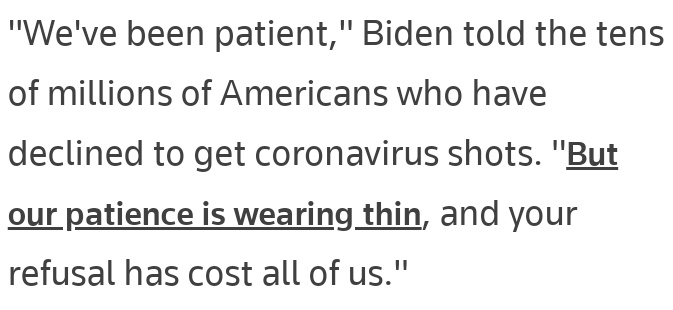
In July 2026 a post by X user @mazemoore amassed more than 250,000 views, sparking heated debate over pandemic‑era policies. Because the post paired President Biden’s September 2021 call for vaccination with Albert Bourla’s January 10 2022 interview, many readers concluded that the two‑dose regimen was a deliberate deception. Across social media, the claim that “two doses offer no protection” became a rallying cry for opponents of vaccine mandates, prompting renewed scrutiny of employment‑related requirements. Amid lingering economic fallout and lingering distrust, understanding the precise wording of Bourla’s comment and its policy context is essential for anyone evaluating current public‑health guidance.
In July 2026 a viral X post highlighted Albert Bourla’s January 10 2022 statement that two COVID‑19 vaccine doses provided “very limited protection, if any,” against the Omicron variant, reigniting controversy over earlier vaccine‑mandate policies.
Mandate history and political backdrop
Following the Delta surge, President Biden issued Executive Order 14043 in September 2021, obliging federal workers to be fully vaccinated. Because private firms and state agencies mirrored the order, millions faced deadlines that linked health compliance to continued employment. During that period, employers rolled out testing alternatives, yet termination remained a frequent outcome for non‑compliance. Despite the broad rollout, the order’s timing intersected with an emerging variant, creating a policy environment that later required rapid adjustment.
- Early 2021 – Emergency use authorization granted to Pfizer‑BioNTech vaccine.
- Summer 2021 – Delta variant drives renewed urgency; mandates expand.
- September 2021 – Executive Order 14043 formalizes federal requirements.
- Late 2021 – Employers adopt testing or unpaid leave as alternatives.
- January 2022 – Bourla remarks on Omicron‑era vaccine performance.
What Bourla actually said
According to a January 10 2022 interview, Albert Bourla described two‑dose protection against Omicron infection as “very limited, if any.” Because the comment was specific to the highly mutated Omicron strain, it did not negate earlier efficacy data against the original virus or the Delta variant. Amid the surge, Bourla emphasized that booster doses restored meaningful protection against severe disease, a nuance often omitted in viral social‑media clips.
Social media amplification and public sentiment
Amid the viral post, commenters highlighted personal stories of job loss, framing the statement as evidence of governmental overreach. Because the split‑screen video juxtaposed Biden’s 2021 remarks with Bourla’s 2022 words, viewers perceived a sudden policy reversal, fueling distrust in both political and corporate leadership. Despite fact‑checks clarifying the variant‑specific nature of the claim, the emotional resonance of the clip outpaced corrective messaging.

Job market consequences of vaccine mandates
During the mandate rollout, an analysis estimated that roughly 8 % of U.S. adults—about 20 million people—experienced termination, forced leave, or job changes due to vaccination requirements. Because many of those affected were healthcare workers, hospitals reported staffing shortages that directly impacted patient care. Amid litigation, several states later offered back‑pay settlements, illustrating how policy enforcement generated long‑term fiscal repercussions.

Evolving data on vaccine effectiveness
According to peer‑reviewed studies, the original two‑dose regimen maintained >90 % efficacy against hospitalization from the original strain and Delta variant. Because Omicron carried over 30 spike‑protein mutations, neutralizing antibody levels dropped sharply, prompting the booster recommendation. Despite waning protection against infection, the vaccine continued to reduce severe outcomes, a distinction that many public discussions overlook.
Court battles and regulatory reviews
During 2022, multiple lawsuits challenged the legality of vaccine mandates on grounds of constitutional rights and employment law. Because courts balanced public‑health interests against individual liberties, rulings varied by jurisdiction, creating a patchwork of precedents that employers still navigate today. Meanwhile, the Equal Employment Opportunity Commission issued guidance clarifying reasonable accommodation requirements, adding another layer of compliance complexity.
Food safety recall illustrates how regulatory agencies can shift focus, yet the pandemic‑era legal landscape remains a living issue.Looking ahead: policy and public‑health implications
Following the controversy, policymakers consider whether future vaccine strategies should emphasize variant‑specific formulations rather than a one‑size‑fits‑all booster schedule. Because the August 2026 CDC advisory hinted at a new mRNA platform targeting multiple coronaviruses, the industry may avoid repeating the two‑dose‑only narrative that sparked current backlash. Moreover, a recent briefing video shows health officials stressing transparent communication as a tool to rebuild confidence.
Animal research policies may also influence public perception of pharmaceutical responsibility.Frequently Asked Questions
Conclusion
Amid the lingering echo of Bourla’s January 2022 interview, the episode underscores how precise scientific language can be reshaped into political controversy. Because mandates tied employment to a two‑dose schedule, the later admission of limited Omicron protection felt like a betrayal to many workers. Consequently, trust in public‑health directives eroded, prompting legal challenges and calls for clearer communication. Looking forward, the industry’s shift toward variant‑tailored vaccines may mitigate similar backlash, yet the episode remains a cautionary tale about aligning policy expectations with evolving scientific evidence.
Ordinary readers should stay informed about booster recommendations and monitor employer policies to protect both health and job security.