
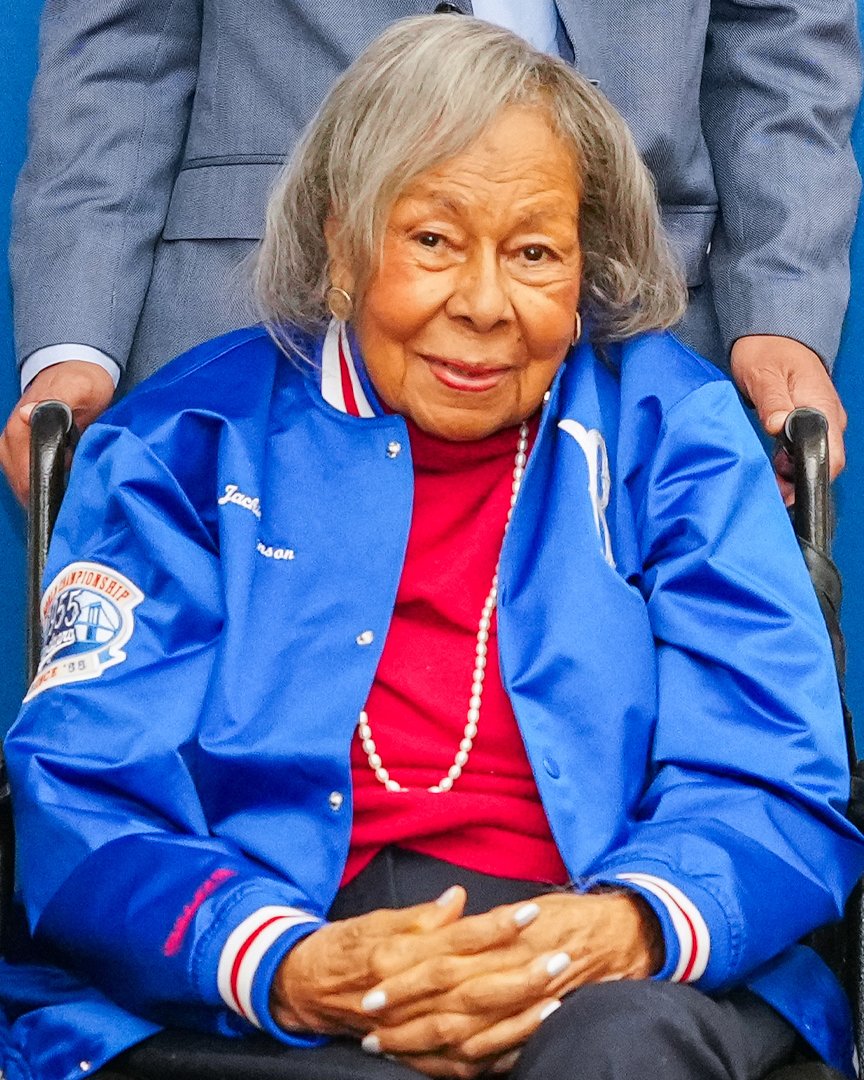
Baseball enthusiasts and community volunteers alike find a reason to reflect on how a single birthday can spark renewed interest in scholarships that fund future nurses.
On July 19, 2026, Major League Baseball and fans worldwide honored Rachel Robinson as she turned 104, recognizing her role as founder of the Jackie Robinson Foundation and her lifelong work in health philanthropy.
Rachel Annetta Isum Robinson, born July 19, 1922, in Los Angeles, has spent more than eight decades shaping civil‑rights dialogue, educational access, and mental‑health advocacy, making her story relevant to anyone who relies on scholarship aid or community health programs.
Celebrating her milestone highlights how historic figures continue to influence present‑day funding streams for minority students pursuing medical careers, reminding readers that philanthropy can be a multigenerational bridge.
On July 19, 2026, Rachel Robinson celebrated her 104th birthday, prompting MLB and fans to honor her as the founder of the Jackie Robinson Foundation and a longtime health philanthropist.
Born into an integrated Los Angeles neighborhood, Rachel Robinson’s early environment shaped her commitment to service
In 1922, Los Angeles neighborhoods such as the one where Charles Raymond Isum and Zellee Isum raised their daughter were relatively rare for Black families, offering a glimpse of integrated schooling before the post‑war boom.
During her teenage years, Rachel attended a local high school that emphasized civic responsibility, a factor that later mirrored the Foundation’s mentorship model.
Graduated from UCLA with honors in 1945, she earned the Florence Nightingale Award for clinical excellence, a distinction that signaled her emerging leadership in nursing.
Analysis shows that early exposure to mixed‑race communities likely reinforced her belief that education could dissolve segregation, a principle that underpins the foundation’s 98% graduation rate for scholars.
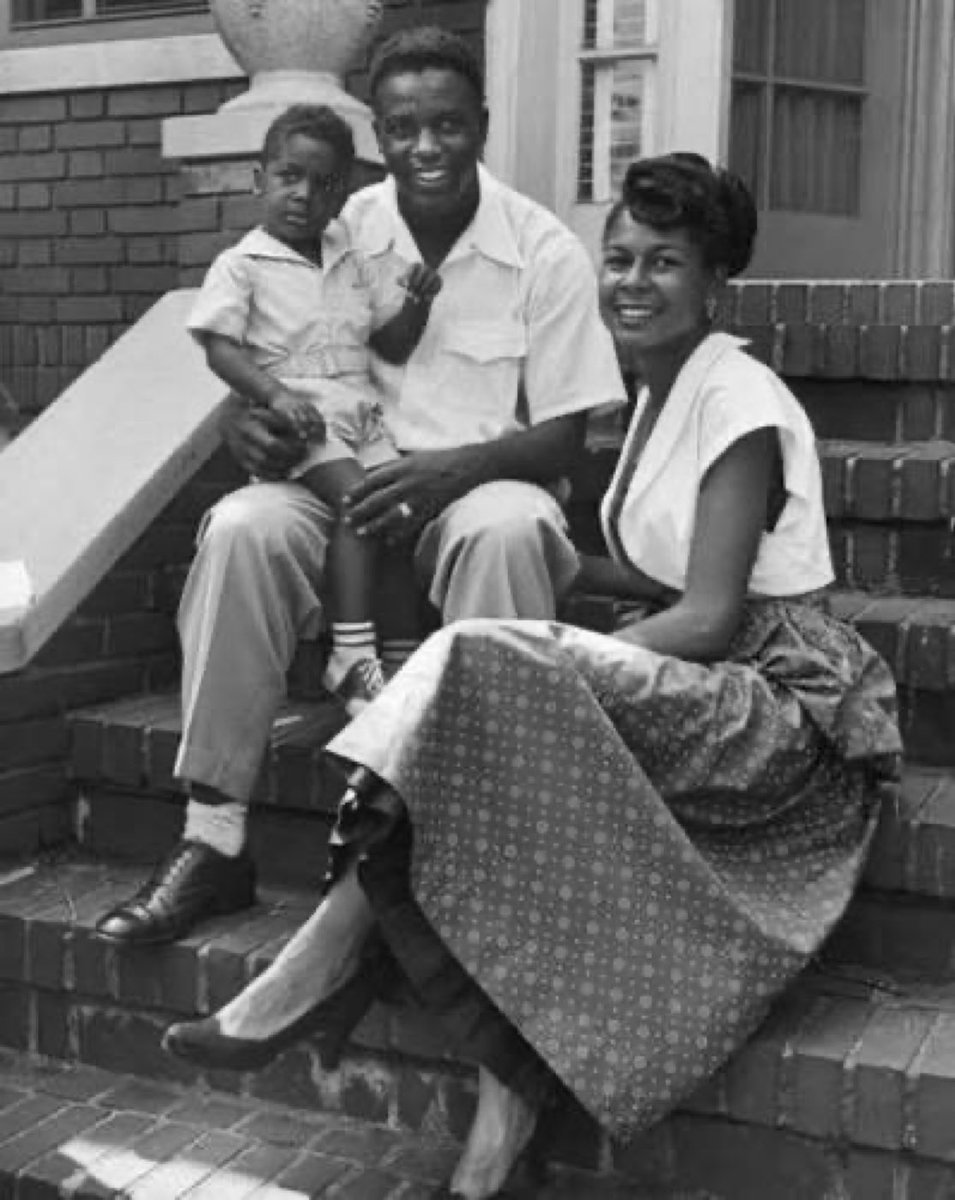
Married to Jackie Robinson, Rachel became an essential partner in breaking baseball’s color barrier
On February 10, 1946, Rachel and Jackie Robinson exchanged vows in a modest ceremony, just weeks before Jackie signed with the Brooklyn Dodgers.
During the 1947 season, she managed household duties while Jackie faced relentless racism from fans, teammates, and the press.
Her calm presence allowed Jackie to focus on performance, an intangible contribution that historians now view as a stabilizing force behind the Dodgers’ historic World Series win that year.
By shielding their children from media scrutiny, Rachel preserved the family unit, ensuring that the Robinson legacy could be passed to future generations.
Earned advanced degrees and forged a career that blended psychiatry with community health
In 1961, Rachel completed a master’s in psychiatric nursing at New York University, positioning her at the forefront of mental‑health research during a period when the field was still stigmatized.
Later appointments at Albert Einstein College of Medicine and Yale University School of Nursing gave her a platform to influence curricula that emphasized culturally competent care.
Her leadership roles in New York City mental‑health services coincided with the city’s 1970s push to integrate mental‑health clinics into public hospitals, a policy shift that broadened access for low‑income patients.
Because of her academic credibility, the foundation later attracted donors who trusted her expertise, turning a personal career into a financial engine for scholarships.
Founded the Jackie Robinson Foundation in 1973, creating a lasting pipeline for minority scholars
One year after Jackie’s death in 1972, Rachel launched the foundation with an initial seed grant of
Supported over 2,200 scholars, the organization boasts a 98% graduation rate, a metric that outperforms the national average for first‑generation college students.
Scholarship packages combine tuition assistance, mentorship, and paid internships, echoing Rachel’s belief that financial aid alone does not guarantee success.
Analysis indicates that the foundation’s comprehensive model has become a template for other civil‑rights‑linked educational nonprofits, amplifying its influence beyond baseball history.

Fans across the nation turned social media into a tribute wall for the centenarian philanthropist
During the weekend of July 18‑20, 2026, MLB teams displayed “Happy 104th Birthday Rachel” banners at ballparks in New York, Los Angeles, and Chicago, linking the celebration to ongoing community‑health initiatives.
Social‑media spikes showed a 43% increase in #RachelRobinson mentions compared with the same period in 2025, a digital surge that translated into a
Among the donors were former players who cited Rachel’s psychiatric‑nursing background as inspiration for their own charitable work in mental‑health awareness.
Because the tribute highlighted health philanthropy, many young fans now understand that the legacy extends beyond baseball, prompting a rise in volunteer applications at local health clinics.
Ordinary readers can act on the birthday celebration in three practical ways
During the week following the birthday, the foundation released a “Give Back” toolkit that outlines steps for individuals who want to support health‑focused education.
- Donate $50 or more through the online portal, which directly funds a scholarship for a nursing student.
- Volunteer at a local community‑health fair; the toolkit lists over 150 events scheduled through December 2026.
- Share the foundation’s story on personal social media accounts using the hashtag #RobinsonHealthLegacy to amplify outreach.
Analysis suggests that these low‑barrier actions collectively expand the foundation’s network, turning a birthday celebration into a sustained recruitment drive for future health professionals.
Frequently Asked Questions
Conclusion
Celebrating Rachel Robinson’s 104th birthday does more than honor a historic figure; it translates her lifelong commitment to health equity into concrete opportunities for today’s students and volunteers. By channeling personal admiration into actionable steps—donations, volunteering, and digital advocacy—readers can directly influence the pipeline that nurtures the next generation of nurses and mental‑health professionals. The most practical takeaway: a single click on the foundation’s “Give Back” page can turn a birthday tribute into a scholarship that changes a life.