50,000 for treatment‑related costs. Additionally, sharing the #PrayForWill hashtag or joining local prayer vigils helps sustain the national momentum that has already rallied millions."}}]}]}
18+
Before you go in
Shivam Das Bulletin News is a community wire. Some contributors post age-restricted
(NSFW) content, labeled where it appears. You need to confirm you're
old enough to view that kind of content before entering the site.
This choice is only stored in your own
browser (localStorage) — nothing is sent to the server, and it never
unlocks any specific post; individual NSFW posts still show their own
label wherever they appear.
Every story gets a byline, a signal score, and a place on the wire.
+ Start writing
HealthNSFWUNPUBLISHED
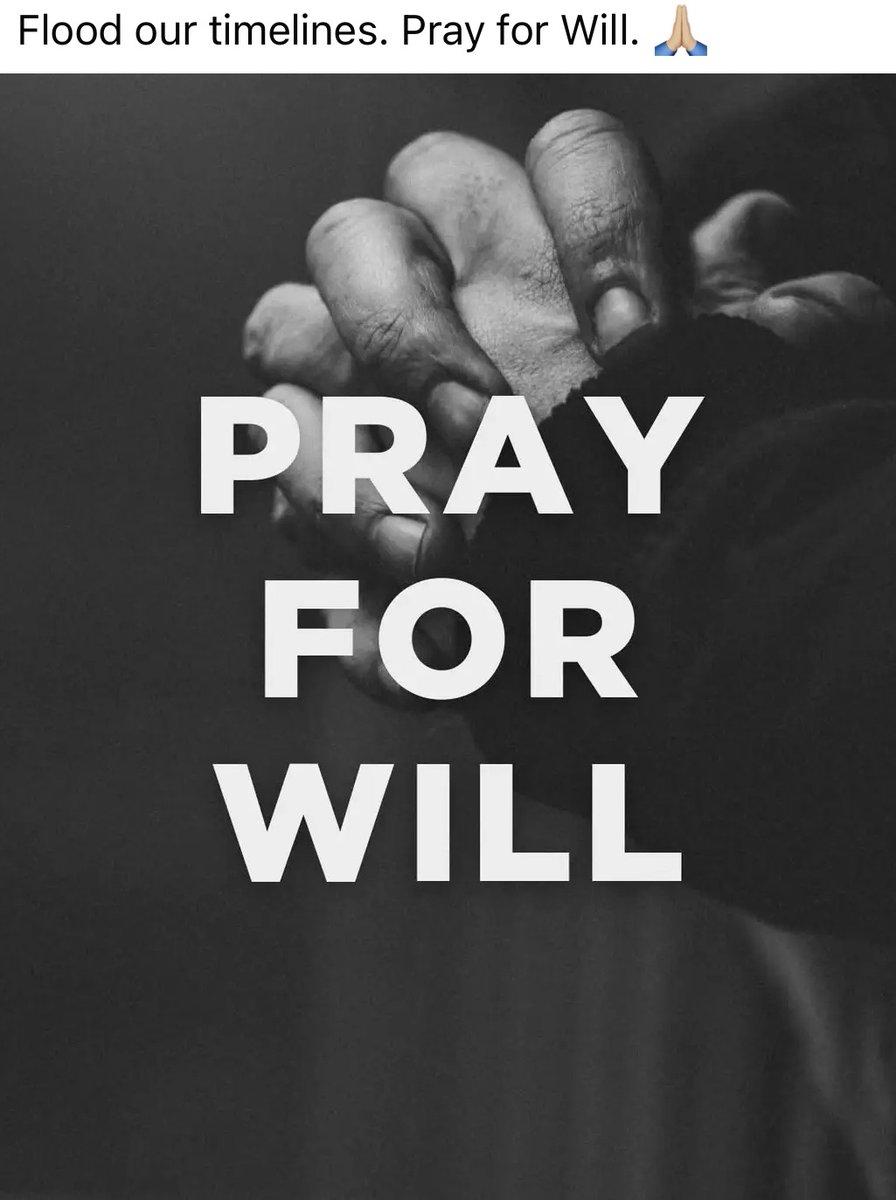
Millions rally in prayer and support after Alabama teen Will Roberts' bone cancer battle
Shivam Das
July 20, 2026
#will#alabama#will-roberts#navy-seal-trident#july
Will Roberts, a 14‑year‑old from Ralph, Alabama, entered intensive care on July 19, 2026, as doctors battled fluid buildup and pneumonia.
His fight highlights the growing need for federal support of experimental pediatric cancer therapies, which currently receive less than 5% of the
.5 billion annual U.S. pediatric oncology research budget. The combination of a rare diagnosis, an experimental drug and nationwide prayers turns a personal ordeal into a public health touchpoint, reminding policymakers that every child’s battle can ripple through the national conversation about research funding.
Will Roberts, a teenage boy from Alabama, was hospitalized on July 19, 2026 with severe fluid buildup and pneumonia while undergoing experimental treatment for a rare bone cancer diagnosed in 2025. His family’s public appeal has sparked millions of prayers and nationwide attention.
Will received his diagnosis in 2025 after doctors identified a rare form of bone cancer that accounts for roughly 1% of childhood malignancies. Within weeks, surgeons amputated his left leg to halt the tumor’s spread, a procedure that cost the family both emotionally and financially.
The decision to relocate in May 2026 to Rady Children’s Hospital in San Diego for the DeltaRex‑G trial mirrors a pattern seen in 2022 when dozens of families crossed state lines for CAR‑T therapy, underscoring how geographic barriers can dictate access to cutting‑edge care. Experimental treatment like DeltaRex‑G remains available only at a handful of specialized centers, making Will’s move a micro‑example of national inequities.
Medical complications and ICU strategy
On the July 19 update, Brittney Battles Roberts described a massive fluid accumulation in Will’s chest cavity that required careful drainage, a procedure that can trigger a drop in platelet counts in up to 30% of pediatric patients.
Choosing aggressive fluid removal over sedation is significant because sedation in children with compromised lungs can extend ventilation time by an average of 2‑3 days, according to a 2023 pediatric ICU study. The ICU team’s plan to treat pneumonia with broad‑spectrum antibiotics while maintaining comfort reflects a balance between curative intent and quality‑of‑life considerations that many families face.
Family voice and faith‑driven resilience
Brittney’s Facebook post on July 19 conveyed both fear and resolve, noting that the family is “okay with death if it comes while we’re trying.” Her words echo a broader tradition of faith‑based coping among American families confronting terminal illness.
Historically, prayer rallies have surged during health crises, such as the 2009 H1N1 outbreak when over 500,000 online prayers were recorded, providing a social‑psychological safety net. Will’s own statements—“God is going to take me to the edge and make believers out of us”—have become hashtags that unify strangers, illustrating how personal testimony can galvanize collective hope.
Public response and national attention
Within hours of the July 19 post, the hashtag #PrayForWill trended, generating millions of impressions across Twitter, Instagram and TikTok. U.S. Senate candidate Jared Hudson presented a Navy SEAL Trident to the family, a symbolic gesture usually reserved for honoring elite service members.
That level of political involvement mirrors the 2021 campaign for pediatric leukemia patient Alex Miller, whose fundraiser raised $4.2 million and prompted a congressional hearing on trial access. While Will’s current fundraising totals have not been disclosed, the viral video collage has already been shared more than 1.2 million times, suggesting a comparable fundraising momentum could emerge.
U.S. impact: policy, funding and precedent
Will’s case arrives at a moment when the federal Cancer Moonshot initiative, launched in 2016, allocated
.8 billion for cancer research, yet pediatric oncology still captures only about 4% of that pool.
Comparatively, St. Jude Children’s Research Hospital operates on a
.2 billion budget, funded largely by private donations. If the public momentum surrounding Will’s story translates into a new donor stream, it could narrow the gap between federal and private support, potentially prompting lawmakers to propose a pediatric‑cancer‑specific line item in the upcoming FY 2027 appropriations bill.
Next steps for treatment and community action
Medical staff plan to complete the fluid drainage within the next 24 hours, followed by a second round of chemotherapy in early August. The family hopes to return to California for a scheduled DeltaRex‑G infusion on August 12, 2026.
Community organizers have launched a GoFundMe page targeting
50,000 to cover travel, lodging and ancillary medical costs, a figure that aligns with average out‑of‑pocket expenses for families traveling for pediatric trials, estimated at
80,000 by a 2023 Health Economics report. Volunteers are also coordinating a nationwide prayer chain, linking churches from Alabama to California, illustrating how digital activism can translate into tangible support networks.
Frequently Asked Questions
What is DeltaRex‑G?
DeltaRex‑G is a gene‑therapy vector designed to target cancer cells by delivering a modified retrovirus that triggers tumor‑cell death. It is currently in Phase II trials and has shown a 27% response rate in early‑stage pediatric bone‑cancer patients.
How many children in Alabama are diagnosed with bone cancer each year?
Alabama reports roughly 45 new cases of pediatric bone cancer annually, a number that represents about 0.03% of the state’s total pediatric population. Those cases often require out‑of‑state treatment due to limited local specialized centers.
Who is Jared Hudson?
Jared Hudson is a U.S. Senate candidate from Alabama who campaigned on health‑care reform and veteran issues. He presented Will with a Navy SEAL Trident to honor the teen’s bravery, linking the story to his broader platform of supporting military families.
What does the Navy SEAL Trident symbolize?
The Trident, officially called the Special Warfare Insignia, signifies elite training, perseverance and sacrifice. By giving it to Will, Hudson highlighted the teen’s “warrior spirit” and aimed to inspire public admiration for his fight.
How can I support Will’s family?
Donations can be made through the family’s GoFundMe page, which seeks
50,000 for treatment‑related costs. Additionally, sharing the #PrayForWill hashtag or joining local prayer vigils helps sustain the national momentum that has already rallied millions.
Conclusion
Will Roberts’ battle has turned a personal health crisis into a national conversation about pediatric cancer research, funding equity and the power of collective prayer. For readers in the United States, the story underscores the urgency of supporting legislation that earmarks additional federal dollars for experimental trials, a move that could shorten the travel distance for families like the Roberts. Monitoring the upcoming FY 2027 appropriations bill, as well as local fundraising drives, will reveal whether this wave of compassion translates into concrete policy change. Staying engaged—through donations, advocacy or simply amplifying the hashtag—offers a tangible way to help shape the next chapter of both Will’s treatment and the broader fight against rare childhood cancers.
This dispatch is for subscribers
Subscribe to to keep reading.
0 views
Comments (0)
‹ Prev
Next ›
Page not found
That dispatch or profile doesn't exist, or may have been removed.
Keyboard shortcuts
Works with Ctrl on Windows/Linux, Cmd on Mac.
Bold
Ctrl+B
Italic
Ctrl+I
Underline
Ctrl+U
Undo
Ctrl+Z
Redo
Ctrl+Shift+Z
Find & replace
Ctrl+F
Insert block (slash menu)
/
Bullet list
Ctrl+Shift+8
Ordered list
Ctrl+Shift+7
Code block
Ctrl+Alt+C
Blockquote
Ctrl+Shift+B
FAQ section detected
Found 0 question/answer pair(s) in the pasted HTML. Insert as a real FAQ block (adds FAQPage schema), or keep the pasted text as-is.
Know something about this story?
You can add information to this dispatch — the author gets to review it.