
Jordan Walsh signs 3-year, $15 million extension with Celtics
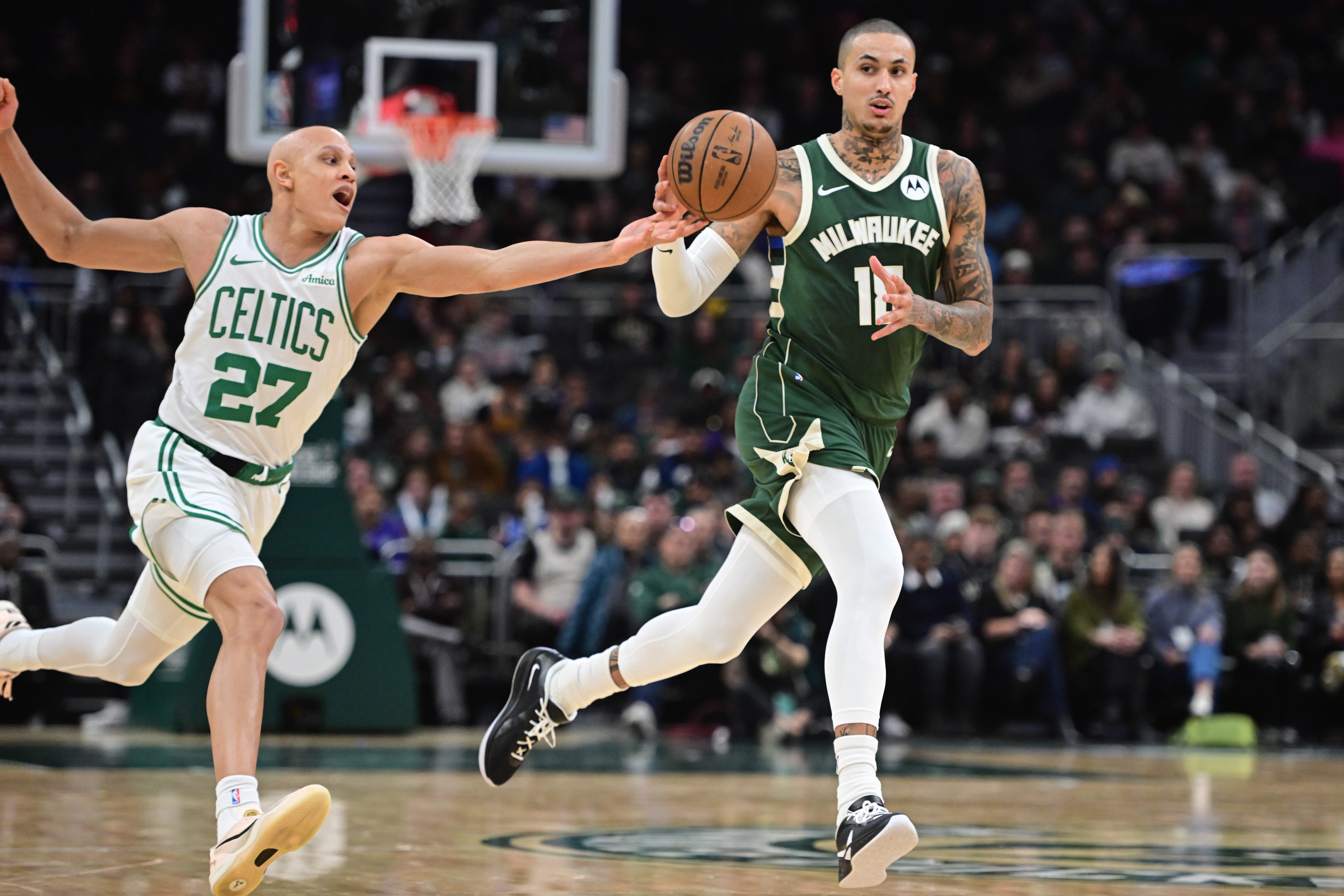
Boston’s front office just pulled another surprise, locking up a promising wing just days after sealing deals with two other role players. On July 23, 2026 the Celtics announced a three‑year, $15 million contract for 22‑year‑old Jordan Walsh, a former second‑round pick from Dallas. The extension adds two fully guaranteed years and preserves a team option worth $2.4 million for the 2026‑27 season.
- Walsh will earn roughly $5 million per season over the next three years.
- Boston also extended Neemias Queta ($56 M/4 yr) and Ron Harper Jr. ($9 M/3 yr) this summer.
- The moves keep the Celtics comfortably under the luxury‑tax apron.
Why does this matter? In a league where star salaries inflate annually, Boston’s strategy of nailing low‑cost, high‑upside contracts could shape its roster stability for years to come, giving the club flexibility to chase marquee free agents without drowning in luxury‑tax penalties.
Jordan Walsh signed a three‑year, $15 million extension with the Boston Celtics on July 23, 2026. The deal includes two fully guaranteed years and a $2.4 million team option for the 2026‑27 season, keeping the wing on a cost‑controlled contract.
Celtics’ low‑cost extensions: Queta, Harper Jr., and Walsh deals
Boston inked a four‑year, $56 million pact with center Neemias Queta in early July, followed by a three‑year, $9 million agreement for undrafted guard Ron Harper Jr. only days later. The latest addition, Walsh’s three‑year, $15 million extension, rounds out a trio of contracts that together cost roughly $80 million.
Analysts note that the Celtics are deliberately using spare cap space to lock up undervalued talent before the market forces price similar players higher. By securing these deals now, Boston builds a deep bench without sacrificing future flexibility, a tactic that sets it apart from teams that chase big‑name free agents each offseason.
Jordan Walsh’s 3‑year, $15 million contract details
Walsh’s new deal spans three seasons and guarantees two of them, while the Celtics retain a team option for 2026‑27 worth $2.4 million. The contract’s structure front‑loads guaranteed money, meaning Walsh receives a sizable paycheck early in the agreement.
From a financial perspective, this front‑loading locks in talent at a discount compared with what a 22‑year‑old wing might command after a breakout year. Should Walsh’s minutes and production continue to rise, his annual average of $5 million could look modest relative to market rates for similar‑aged swingmen.
Walsh’s minutes and starts reveal expanded role
During the 2023‑24 campaign Walsh logged a career‑high 17.8 minutes per game and started 25 contests, a sharp jump from just two starts across his first two seasons. Those numbers represent the most playing time he has seen at any level of his NBA career.
Coaching staff confidence appears to be growing, and the increased usage suggests Walsh could cement a regular spot in the starting lineup. If his defensive versatility translates into consistent production, the Celtics gain a cost‑effective starter who can complement veteran wings like Jae Sean Collins and Al Horford.
Luxury‑tax implications of Walsh’s extension for Boston
Projected team salary for the 2024‑25 season sits near $147 million, while the league’s luxury‑tax apron rests at $165.6 million. Walsh’s contract contributes roughly $5 million per year above his prior earnings, a modest bump in the grand scheme.
Keeping the payroll well under the apron preserves Boston’s ability to add higher‑priced free agents without incurring punitive taxes. The flexibility also allows the Celtics to explore mid‑season trades that could further bolster the roster without jeopardizing financial health.
How Walsh’s yearly salary stacks up against Queta and Harper Jr.
Queta’s $56 million agreement averages about $14 million per season, Harper Jr.’s $9 million deal works out to roughly $3 million annually, and Walsh’s $15 million contract translates to $5 million per year. These figures illustrate a calibrated risk‑reward scale across the three extensions.
| Player | Total Contract | Years | Average per Year |
|---|---|---|---|
| Neemias Queta | $56 M | 4 | $14 M |
| Ron Harper Jr. | $9 M | 3 | $3 M |
| Jordan Walsh | $15 M | 3 | $5 M |
Walsh’s middle‑of‑the‑road rate reflects his higher upside relative to Harper Jr. while still carrying less risk than a veteran center like Queta. The Celtics appear to be betting that Walsh’s development curve will outpace the modest investment.
Future outlook: Walsh, veteran wings, and cap growth
At 22, Walsh enters his fourth NBA season alongside a Celtics frontcourt that blends seasoned wings such as Jaylen Brown and Al Horford with emerging talent. Salary‑cap projections indicate a roughly 3 % annual increase over the next few years.
Retaining Walsh on a low‑cost deal positions Boston to transition smoothly as older contracts expire, ensuring a blend of experience and athleticism without a sudden cap spike. For Boston fans, this means the team can remain competitive while still fielding a roster that feels familiar year after year.
Critics question whether Walsh’s deal is truly a bargain
Some analysts argue that the Celtics may be overpaying for a player who has yet to prove consistent production beyond bench minutes. Critics point out that Walsh’s per‑36‑minute stats still lag behind established wing starters, suggesting the $5 million per‑year price tag could become a liability if his growth stalls.
If the player fails to secure a regular starting role, Boston could find itself stuck with a contract that limits flexibility, especially as the luxury‑tax threshold tightens. The debate underscores the gamble inherent in any low‑cost extension that hinges on future performance.
FAQ
Walsh’s deal cements Boston’s cap‑smart blueprint
By tying a promising young wing to a modest, front‑loaded contract, the Celtics reinforce a strategy that blends fiscal prudence with roster continuity. The extension not only rewards Walsh’s increased minutes but also safeguards the club’s ability to chase marquee talent without breaching the luxury‑tax ceiling. As the salary cap nudges upward each year, Boston’s low‑cost foundation could become a template for other contenders seeking depth without compromising financial health.