
Background
The controversy centers around a nearly 2-hour video titled *"Freedom not Fealty Part 1: Ask one question to settle vaccine safety concerns."* Produced after a year of research, it centers on a purported 1989 10-year follow-up to a "gold-standard" CDC vaccine trial. According to the description: - Half the vaccinated participants were allegedly dead or terminally ill. - Unvaccinated placebo recipients remained healthy. - Officials faced a dilemma after dumping millions of doses in Africa: admit failure or bury the data. - They allegedly chose the latter, leading to continued WHO promotion and "millions more" deaths. - The film names scientists, shows faces, claims negotiations for on-camera testimony (met with threats of legal action), and argues the industry eliminated true placebo-controlled trials in response.
Key Facts
The 1989 Los Angeles Edmonston-Zagreb measles vaccine study was a high-profile trial that sparked controversy over the use of experimental vaccines on vulnerable populations. The study involved ~1,500 mostly Black and Latino infants in high-incidence areas, and parents were not fully informed it was experimental. This led to ethical backlash, federal investigations, CDC apologies, and study halt in 1991.People Involved
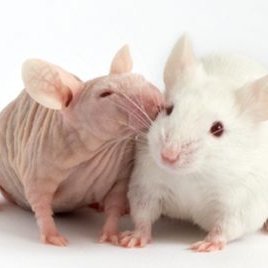
Jikkyleaks, self-described as the "home for @jikkykjj the whistleblowing lab mouse" with a bio emphasizing "public interest disclosures," has built a following by questioning vaccine safety data, excess mortality correlations, and regulatory transparency. The account's avatar depicts lab mice, symbolizing its whistleblower persona.Reactions
Engagement on the main post: Over 1,200 likes, 500+ reposts, 80k+ views shortly after posting, indicating significant reach in skeptical circles. Critics of such narratives argue that the film's claims are exaggerated or entirely fabricated, and that the alleged "1989 10-year follow-up" and WHO Symposium Proceedings likely reinterpret these events or reference unpublished/internal data.Implications
The controversy surrounding the documentary and Jikkyleaks' endorsement raises questions about the accountability and transparency of public health institutions. If the allegations are true, it would suggest a cover-up of serious health risks associated with the E-Z vaccine, and a potential loss of public trust in the scientific community.What Happens Next
The fallout from the documentary and Jikkyleaks' endorsement will likely be intense, with calls for greater transparency and accountability in public health institutions. The scientific community will need to address the allegations and provide evidence to support or refute the claims made in the documentary.For more on this, see I5IdtSm wf6ztlFZ.
For more on this, see tkoI9kQ I4k4aDM9.
For more on this, see Project Coast.
For more on this, see la xpm 1996 06 17 mn 15871 story.
For more on this, see historyofvaccines.org.
Frequently Asked Questions
What is the Edmonston-Zagreb measles vaccine trial?
The Edmonston-Zagreb measles vaccine trial was a high-profile study conducted in 1989 by the CDC and Kaiser Permanente, which involved testing an experimental vaccine on ~1,500 mostly Black and Latino infants in high-incidence areas.
What are the allegations made in the documentary?
The documentary alleges that half of the vaccinated participants in the Edmonston-Zagreb trial died or were terminally ill, while unvaccinated placebo recipients remained healthy. It also claims that officials faced a dilemma after dumping millions of doses in Africa and chose to bury the data, leading to continued WHO promotion and "millions more" deaths.
Who is Jikkyleaks?
Jikkyleaks is a prominent X account known for its sharp critiques of COVID-19 vaccines, mRNA technology, and public health policies under hashtags like #Modernagate and #3Tablets.
What is the significance of the 1989–1991 U.S. measles epidemic?
The 1989–1991 U.S. measles epidemic was a major outbreak that led to widespread vaccination efforts and sparked controversy over the use of experimental vaccines on vulnerable populations.
What are the implications of the documentary and Jikkyleaks' endorsement?
The controversy surrounding the documentary and Jikkyleaks' endorsement raises questions about the accountability and transparency of public health institutions and suggests a potential loss of public trust in the scientific community.