
Italian American Civil Rights League Pushes Back Against Mayor Zohran Mamdani's Cultural Erasure in Little Italy

A Brief History of Little Italy
Little Italy, a historic immigrant enclave centered on Mulberry Street, emerged in the mid-19th century, peaking in the 1880s and early 1900s with Southern Italians, particularly from Sicily, Naples, and Calabria. At its height, it spanned dozens of blocks, housing over 10,000 Italians in dense tenements. The community's rich history is marked by poverty, discrimination, and stereotypes, but also by significant contributions to New York City's infrastructure, food culture, and politics.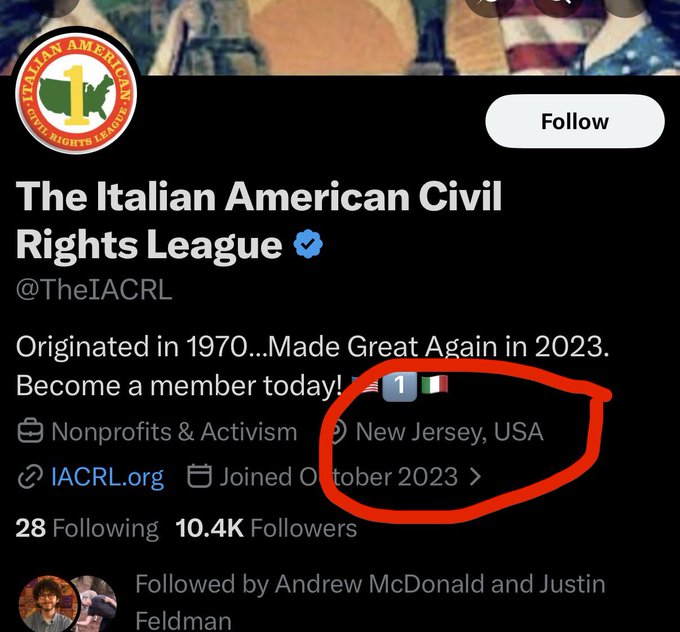
The Controversy: Mamdani's Immigrant Enclaves Map
In 2026, Mayor Zohran Kwame Mamdani released an updated "New York City Immigrant Enclaves" map, tied to 2026 FIFA World Cup efforts, highlighting around 30 current immigrant communities. Notably, Little Italy was omitted from the map, along with other historic European neighborhoods. Critics argue that this erasure is a disregard for the foundational groups who built New York City. The map drew from prior Adams-era data, focusing on current foreign-born concentrations rather than pure historical significance. According to Mamdani's response, the map was "not an exhaustive list of the more than 200 ethnic communities" and updates, including Little Italy, were announced amid pressure.Backlash and Implications
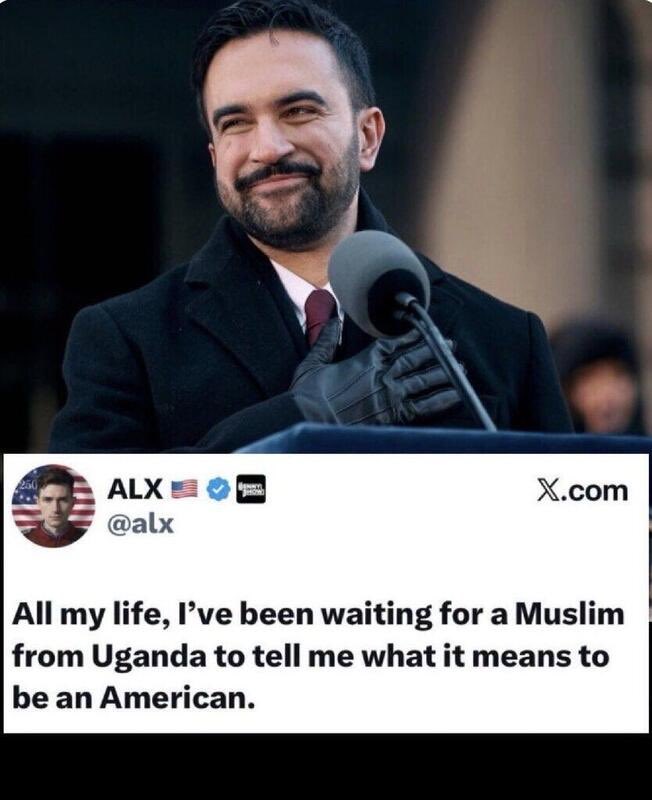
The IACRL's social media post was just one of many responses to the map controversy. Italian-American groups, politicians, and residents protested, with Rudy Giuliani weighing in on the issue. Social media exploded with memes, historical photos of Italian laborers, and defiance ("Italians built NY"). The backlash has sparked a broader conversation about cultural identity, heritage, and the role of immigrant communities in shaping New York City.What Happens Next
As the controversy continues, the IACRL and other Italian-American groups are pushing for recognition and inclusion of their community's history and contributions. The future of the "Immigrant Enclaves" map and its revisions remains uncertain, but one thing is clear: the Italian American community will not be silenced.Consequences for Mamdani
The controversy has put Mayor Mamdani's administration under scrutiny, with some calling for greater transparency and inclusivity in the city's cultural representations. The incident highlights the importance of understanding and respecting the city's complex cultural heritage, and the need for more inclusive and nuanced approaches to cultural representation.The Future of Little Italy
As the debate surrounding the "Immigrant Enclaves" map continues, Little Italy remains a symbol of the city's rich cultural diversity. The Italian American community is fighting to preserve their history and contributions, and the future of the neighborhood is uncertain. One thing is clear, however, the Italian American community will continue to push back against cultural erasure and fight for recognition.
For more on this, see Little Italy, Manhattan.
For more on this, see thirteen.org.
For more on this, see Italian American Civil Rights League.
For more on this, see mamdani defends controversial nyc map omitting iconic little italy jewish irish neighborhoods.
For more on this, see nypost.com.
For more on this, see iacrl.org.
For more on this, see about us.
Frequently Asked Questions
What is the Italian American Civil Rights League?
The Italian American Civil Rights League is a organization that advocates for the rights and interests of Italian Americans, founded in 1970 by Joseph Colombo Sr. and revived in 2023.
What is the controversy surrounding the "Immigrant Enclaves" map?
The controversy surrounds the map's exclusion of Little Italy and other historic European neighborhoods, which some see as a form of cultural erasure.
What is the significance of Little Italy in New York City?
Little Italy is a historic immigrant enclave that emerged in the mid-19th century, peaking in the 1880s and early 1900s with Southern Italians, particularly from Sicily, Naples, and Calabria. It played a significant role in shaping the city's infrastructure, food culture, and politics.
What is the response to the controversy?
The controversy has sparked widespread outrage, with many calling for greater recognition and inclusion of Italian-American culture in the city's cultural representations.
What is the future of the "Immigrant Enclaves" map?
The future of the map remains uncertain, but one thing is clear: the Italian American community will continue to push for recognition and inclusion of their culture and contributions.
What are the implications for Mayor Mamdani's administration?
The controversy has put Mamdani's administration under scrutiny, with some calling for greater transparency and inclusivity in the city's cultural representations.