

ICE agents forced protesters aside to clear a federal vehicle at an immigration detention facility on July 19, 2026. Video posted by conservative commentator Sarah Sizzle on X captured the moment agents in camouflage gear advanced, pushed a woman in a black top, and moved several demonstrators from in front of a black SUV. Rapid spread of the 110‑second clip generated tens of thousands of likes and reposts, prompting a national debate over the limits of protest and the scope of federal authority under the current administration. Authorities say the vehicle was part of an ongoing enforcement operation, while activists claim the removal crossed a line into excessive force. Because the incident occurred at a fenced, barbed‑wire‑surrounded complex, observers worry about broader implications for detainee safety and community‑law‑enforcement relations.
On July 19, 2026 ICE agents moved protesters blocking a federal vehicle at an immigration detention facility, using physical force captured in a viral X video posted by Sarah Sizzle. The incident sparked debate over protest rights and federal enforcement authority.
Background: 2026 immigration enforcement climate
During the first half of 2026 the Trump administration intensified deportation efforts, reopening previously closed removal courts and expanding ICE staffing by roughly 12 percent. Increased raids on workplaces and heightened checkpoints have drawn a wave of demonstrations at detention sites across the country. Comparison with 2022 shows a 35 percent rise in protest permits issued for immigration‑related rallies, indicating a growing willingness among activists to confront federal operations directly.
Because of that surge, local economies surrounding detention facilities have felt collateral effects, such as reduced patronage for nearby restaurants that rely on staff commuting to the complex. Analysis suggests that business owners, who rarely appear in headlines, now face a dilemma: support community concerns or risk alienating a customer base tied to federal employment.
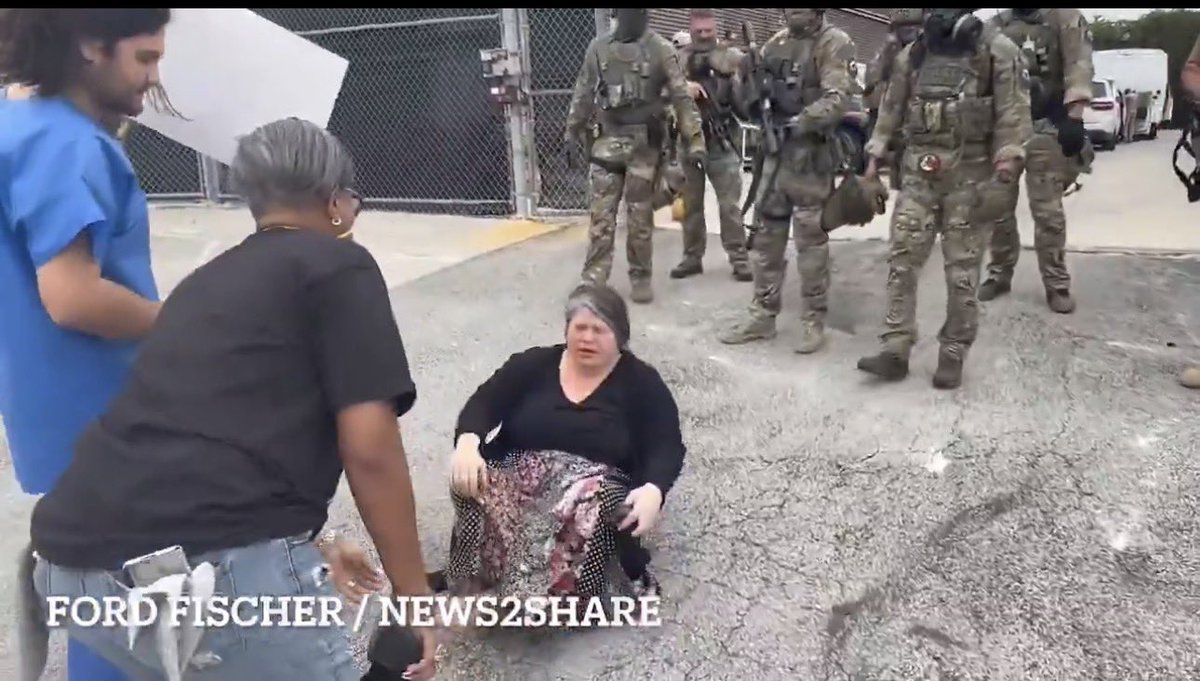
The July 19 confrontation captured on X
On July 19, 2026 a group of protesters, including older women and individuals in medical scrubs, positioned themselves directly in front of a black federal van outside the fenced complex. Video footage from Ford Fischer’s News2Share channel shows agents wearing helmets, vests, and rifles advancing in formation, then physically pushing the demonstrators aside.
Because the agents maintained a tight line while moving the vehicle, the clip illustrates a tactical decision to prioritize rapid clearance over de‑escalation techniques. Analysts note that this approach mirrors standard law‑enforcement protocols for protecting high‑value assets, yet it also raises questions about proportionality when faced with largely non‑violent opposition.
Legal context and federal authority
According to 18 U.S.C. § 111, obstructing federal officers or vehicles constitutes a felony punishable by up to ten years in prison. First‑Amendment jurisprudence, however, protects peaceful protest unless it directly interferes with a government function.
Because courts have historically drawn a line at “substantial disruption,” the July 19 incident lands in a gray zone where the physical removal of protesters could be deemed a justified response or an unlawful assault. Critics argue that recent rulings in the Ninth Circuit have emphasized the need for proportional force, suggesting that the agents’ actions might invite civil litigation.
Video evidence of the agents’ maneuver offers a concrete illustration of how federal obstruction law is applied in real time, a point underscored by legal scholars who note that visual documentation can sway judicial interpretation in future cases.
For a broader view of recent immigration‑related legal shifts, see the Dormant Alien Terrorist Removal Court activation earlier this year.
Local community and detainee implications
During the standoff, nearby residents reported hearing shouted commands and the clatter of rifles as agents moved onto rooftops surrounding the facility. Detainee advocacy groups warn that disruptions to vehicle movement can delay the transfer of individuals scheduled for removal, potentially extending detention periods beyond statutory limits.
Because extended stays increase strain on already overcrowded facilities, families of detainees may face additional hardship, a factor that rarely surfaces in mainstream coverage. Observers point out that the ripple effect reaches local hospitals that provide medical care to detainees, stretching resources that serve the broader public.
What we still don’t know
- Confirmed facts: Video shows agents physically moving at least three protesters; the incident occurred on July 19, 2026; Sarah Sizzle posted the clip on X at 10:12 a.m. ET.
- Still being verified: Exact number of arrests made, if any; whether any medical personnel on site provided assistance; internal ICE after‑action report timeline.
Because official statements from the ICE field office have not yet been released, investigators are awaiting a Freedom‑of‑Information request response expected by late August. Analysis indicates that delayed transparency could fuel further public mistrust, especially if evidence contradicts the agency’s narrative of a routine clearance.
For a visual reference to the agents’ tactical positioning, see the federal obstruction law footage embedded above.
Frequently Asked Questions
Conclusion
Because the July 19 clash sits at the intersection of immigration policy, protest rights, and federal enforcement, it will likely serve as a reference point for both legal scholars and activist strategists. Watching for an ICE after‑action report, potential civil suits, and any policy adjustments announced by the Department of Homeland Security will indicate how authorities balance security imperatives with constitutional protections. Stakeholders such as local businesses, detainee families, and community health providers should monitor upcoming court filings, as those outcomes may reshape the operational environment around detention facilities nationwide.