
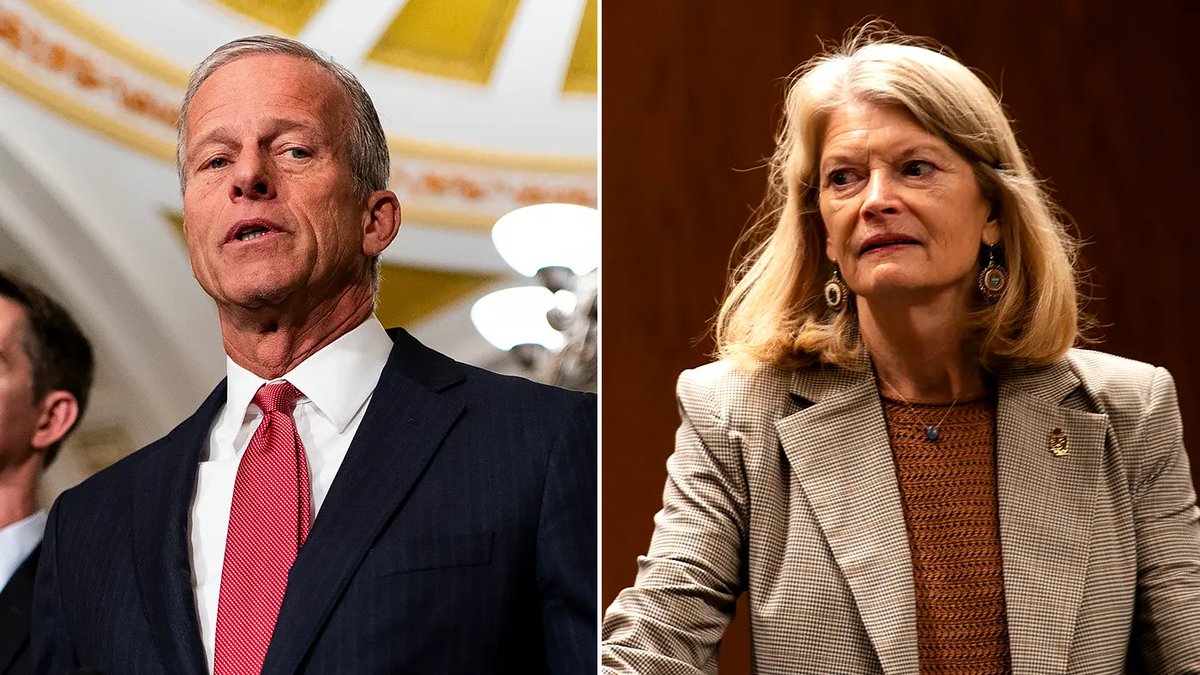
Mid‑July 2026, a smartphone screen lit up in a coffee shop in Oklahoma City as a notification from X displayed a meme that juxtaposed a dark‑suited senator with a sharply dressed congresswoman. Gunther Eagleman, a self‑described conservative commentator, tapped “reply” and added a two‑word demand that instantly rippled through the platform’s feed. Millions of users saw the image, shared it, and debated whether a single tweet could meaningfully influence the conversation about congressional reform. Eagleman’s brief statement landed amid a broader surge of anti‑establishment sentiment, highlighting how social‑media echo chambers amplify calls for term limits and reshaping public expectations of elected officials.
In mid‑July 2026, Gunther Eagleman posted a viral X meme calling for the removal of Senator Markwayne Mullin and Representative Rosa DeLauro, labeling them the “most useless” members of Congress, a message that quickly amassed hundreds of thousands of views.
Markwayne Mullin’s rise from small‑town entrepreneur to DHS chief
Markwayne Mullin, born July 26 1977 in Tulsa, Oklahoma, grew up in Westville and later ran Mullin Plumbing, a business that expanded into HVAC, environmental services, and real‑estate holdings. That entrepreneurial success translated into a net worth measured in the tens of millions, a figure that set him apart from many of his congressional peers. A background in mixed‑martial arts, where he compiled a 5‑0 record, added a rugged, outsider appeal that resonated with Tea Party activists during his 2012 House campaign. That appeal mattered because it helped him secure five consecutive House terms before winning a special Senate election in 2022, demonstrating how personal brand can outweigh traditional political pathways.
President Donald Trump nominated Mullin for Secretary of Homeland Security in early 2026, and the Senate confirmed him by a 54‑45 vote, giving him authority over immigration enforcement and border security. This appointment matters because it places a staunch Trump ally at the helm of an agency central to the administration’s immigration agenda, a shift that could reshape policy execution for years to come.

Rosa DeLauro’s three‑decade tenure and progressive leadership
Rosa DeLauro, born March 2 1943 in New Haven, Connecticut, entered the House of Representatives in 1991 and has since served more than 35 years, becoming one of the longest‑standing members in modern Congress. Her early career included a stint as chief of staff to Senator Chris Dodd and a role as executive director of EMILY’s List, experiences that forged her reputation as a champion of women’s issues and progressive policy. Longevity matters because it provides institutional memory that can steer complex appropriations decisions, especially as ranking member of the House Appropriations Committee.
DeLauro’s legislative focus has centered on labor rights, health‑care access, child tax credits, and nutrition programs, positioning her as a key voice against strict immigration enforcement. That focus matters because it creates a clear ideological contrast with Mullin’s law‑and‑order platform, fueling the meme’s visual dichotomy and underscoring why conservatives may view her as emblematic of “career politician” fatigue.

The X post that sparked a nationwide debate
Gunther Eagleman’s X post displayed a meme that declared Mullin and DeLauro “by far, the two most useless people in the history of the U.S. Congress,” followed by his succinct reply, “Both need to be removed.” That phrasing condensed a complex frustration into a binary demand, allowing the message to travel rapidly across partisan networks.
Both need to be removed.This stark callout mattered because it reframed the discussion from policy critique to personal removal, a tactic that resonates with voters seeking swift accountability rather than incremental reform.
Hundreds of thousands of views accumulated within hours, and retweets spanned from small‑town Republican groups to national right‑wing podcasts, illustrating how meme‑driven messaging can outpace traditional news cycles. That dynamic matters because it demonstrates the power of platform algorithms to amplify polarizing content, potentially influencing upcoming primary battles in Oklahoma and Connecticut.

Reactions across the political spectrum and media coverage
Supporters praised Eagleman’s post as a rallying cry for term limits, citing the 2022 constitutional amendment proposal that would cap congressional service at twelve years. That proposal matters because it reflects a growing appetite for structural change that could diminish the influence of long‑standing incumbents like DeLauro. Critics, meanwhile, dismissed the meme as hyperbolic MAGA rhetoric, noting that Eagleman’s “both need to be removed” line echoed language used in 2020 election denial campaigns, a connection highlighted in a recent analysis on Pence’s post‑election narrative.
Media outlets ranging from conservative talk shows to mainstream newspapers covered the meme, each framing it through their editorial lens. That coverage matters because it transforms a fleeting social‑media moment into a broader conversation about the legitimacy of political discourse, raising questions about the line between satire and incitement.
Potential fallout for congressional reform and upcoming elections
Calls for term limits have surged after the meme’s circulation, with at least three state legislatures introducing bills that would require a statewide referendum on a twelve‑year cap. That legislative activity matters because it could set a precedent for federal reform, challenging the entrenched seniority system that currently benefits long‑serving members such as DeLauro. Upcoming primaries in Oklahoma’s Senate race and Connecticut’s 3rd district may see candidates leveraging the meme’s language to differentiate themselves from incumbents, a strategy that could reshape campaign messaging.
Long‑term implications include the possibility that social‑media‑driven campaigns will pressure party leadership to prioritize fresh faces, altering committee assignments and the balance of power in Congress. That shift matters because it may accelerate a generational turnover that reshapes policy priorities, especially on issues like immigration, health‑care, and federal spending.
Frequently Asked Questions
Conclusion
Gunther Eagleman’s viral X post illustrates how a single meme can ignite national conversation about congressional accountability, term limits, and the power of social media in shaping political narratives. As primary seasons approach, observers will watch whether meme‑driven rhetoric translates into concrete legislative proposals or remains a fleeting moment in the digital arena. Watch upcoming Oklahoma Senate primaries for signs of Eagleman‑inspired messaging influencing candidate platforms.