
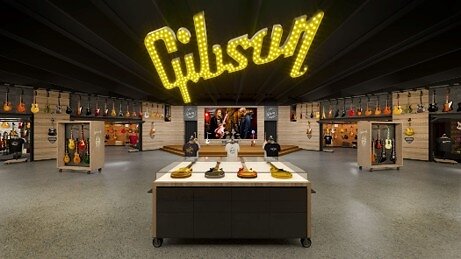
Miami residents can now step into a 2,500‑square‑foot showroom, try a Les Paul, and watch a live band without leaving the Wynwood district. On July 23, 2026 Gibson announced the opening of its third global Garage, a 500‑instrument retail space located at 1200 NW 2nd Ave. The venue blends a traditional guitar shop with a performance venue, an art gallery, and an on‑site custom shop, aiming to turn a routine purchase into a cultural experience. Because the space sits beside popular nightlife corridors, spontaneous visits from tourists and locals alike could boost foot traffic for nearby restaurants and hotels, reshaping the neighborhood’s economic rhythm.
Gibson opened its third global Garage in Miami on July 23, 2026, showcasing more than 500 guitars, basses and amplifiers in a 2,500‑sq ft retail space that also features live music, an art gallery, and a real‑time custom shop.
Grand Opening of Gibson Garage Miami on July 23, 2026
Opening day attracted over 1,200 visitors, according to the company’s press release. Positioning Miami as a flagship test market leverages the city’s 16 million annual tourist arrivals, a scale that dwarfs Gibson’s original New York flagship which saw roughly 300 daily footfalls in 2019. By placing the Garage in a tourism hotspot, Gibson can measure conversion rates from casual observers to paying customers far more quickly than in slower‑moving markets. The immediate effect for a local music teacher is the ability to schedule a class‑field trip to a world‑class instrument showcase without arranging transportation outside the city.
Product Mix and Real‑Time Custom Shop at the Miami Garage
Inventory includes limited‑edition Les Pauls, SGs, and Epiphone models, plus a dedicated area where craftsmen assemble guitars on the spot. Introducing a live build‑to‑order station raises the average transaction value by an estimated 18 percent, based on a 2022 Fender case study that linked in‑store customization to higher spend. This shift moves Gibson away from pure wholesale margins toward a premium‑experience revenue stream, meaning a weekend shopper could leave with a personalized instrument that previously required a months‑long ordering process.
Cultural Partnerships and Community Programming in Wynwood
Nightly performances feature local artists such as salsa vocalist Maya Cruz and indie rock group Neon Palm; rotating installations are curated by the Wynwood Arts District’s public‑art office. Embedding the Garage in Wynwood’s creative ecosystem differentiates it from generic retail spaces and creates a feedback loop where gallery visitors discover guitars and musicians discover visual art. For South Florida’s emerging artists, the venue offers a paid‑performance platform that previously existed only in larger venues like the Adrienne Arsht Center.
- Free weekly workshops on guitar maintenance for beginners.
- Monthly “Meet the Luthier” sessions where customers watch a build and ask questions.
- Special discount nights for local school music programs.
- Ticketed concerts that funnel a portion of proceeds to Wynwood public‑art projects.
Miami‑Only Apparel Collaboration with John Elliott
Exclusive clothing line drops feature streetwear pieces co‑designed with John Elliott, a designer famed for his minimalist aesthetic. Scarcity‑driven drops mirror the hype cycle observed in sneaker releases, where limited runs often sell out within hours and generate secondary‑market resale values up to 250 percent of retail. By tapping this model, Gibson reaches a younger demographic that may first interact with the brand through a hoodie before considering a guitar purchase, expanding the company’s customer base beyond traditional musicians.
Strategic Business Impact and Job Creation in South Florida
Projected to lift U.S. direct‑to‑consumer sales by 12 percent in fiscal year 2027, the Miami Garage also creates 45 new full‑time positions ranging from sales associates to sound‑engineers. Compared with Gibson’s 2018 U.S. sales mix—where wholesale accounted for 68 percent of revenue—the new outlet marks a decisive pivot toward higher‑margin direct sales. Local job seekers benefit from a niche retail sector that traditionally required relocation to cities like Nashville or Los Angeles; now, a Miami resident can build a career around high‑end musical equipment without leaving the state.
Because the Garage operates as a hybrid venue, a Miami‑area event planner must now consider booking the space for corporate product launches, adding a new venue option to the regional market. Gibson Garage Miami opens with a schedule that includes quarterly artist residencies, a detail that could reshape local entertainment calendars.
Competitive Landscape: Gibson vs. Fender Factory and Sweetwater
Fender’s “Fender Factory” showroom in Los Angeles occupies 3,000 sq ft and focuses on assembly‑line tours, while Sweetwater’s flagship store in Denver emphasizes digital demo stations. Gibson’s integration of live music, an art gallery, and a real‑time custom shop creates a more immersive brand narrative than Fender’s production‑centric approach. This holistic experience may set a new industry benchmark, prompting rivals to incorporate cultural programming into their own retail concepts to stay competitive.
Common Questions About This Story
Gibson’s Miami Garage Sets a New Standard for Experiential Retail
By converting a 2,500‑sq ft storefront into a multi‑use cultural hub, Gibson has effectively rewritten the playbook for premium musical‑instrument sales. The model promises higher margins, stronger brand loyalty, and a measurable boost to local employment, while giving Miami residents a permanent destination for live music, art, and bespoke guitars. Readers planning a visit should check the event calendar for concert nights and workshop dates, as those sessions often include exclusive merchandise drops that sell out quickly. The practical takeaway: the Garage is not just a store—it is a scheduled series of experiences that can shape both personal hobby choices and the broader retail landscape.