
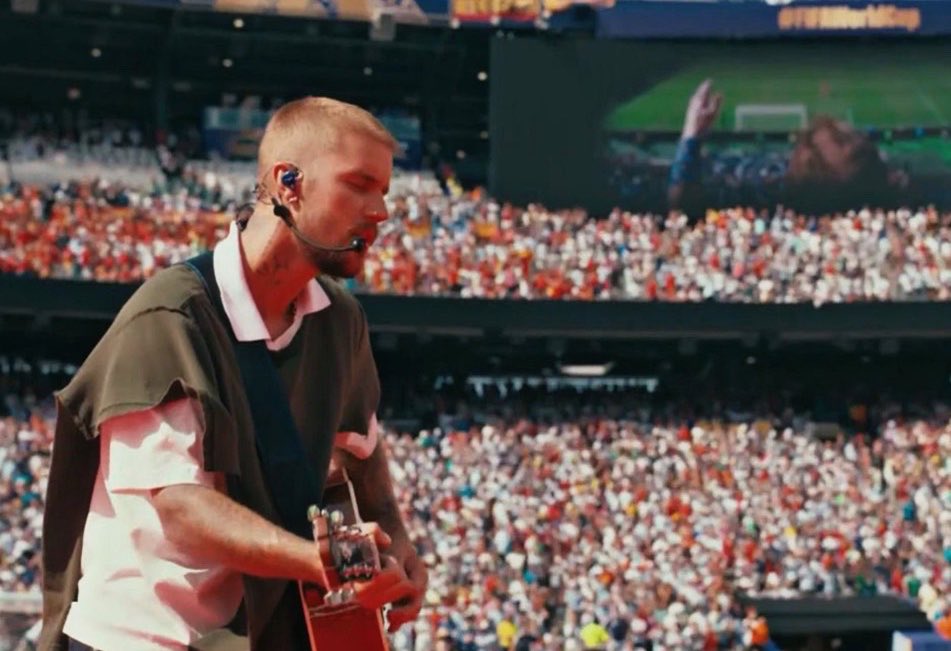
July 20 2026 marked a cultural flashpoint that few expected when the FIFA World Cup opened its final match in North America. Pop star Justin Bieber stepped onto the New York New Jersey Stadium stage and sang a gospel‑tinged hymn that praised Jesus Christ, instantly igniting a firestorm across social platforms. The halftime spectacle unfolded on July 19, 2026, in front of an estimated global audience of billions, making it the most‑watched single‑event broadcast in sports history.
- Justin Bieber performed “Everything Hallelujah” during the World Cup final halftime on July 19, 2026.
- The show was part of a historic first‑ever halftime concert at a World Cup final, featuring Madonna, Shakira, BTS, and Burna Boy.
- The performance generated 128,000 likes and 1.2 million views on X within hours.
Why it matters: a faith‑centered act on a secular global stage forces advertisers, sponsors, and governing bodies to reckon with the growing demand for spiritual representation in mass‑media events. It also puts the spotlight on how celebrity influence can shift public discourse beyond sport, potentially reshaping future halftime programming.
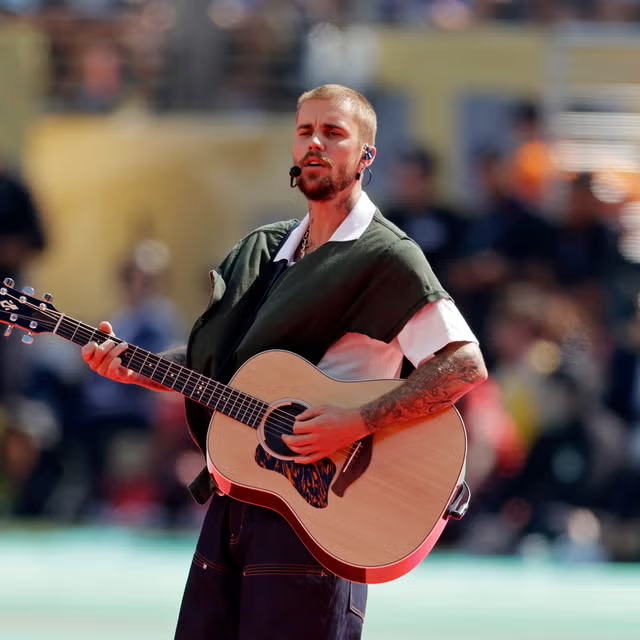
On July 19, 2026, at the New York New Jersey Stadium, Justin Bieber performed a gospel‑infused “Everything Hallelujah” halftime show during the FIFA World Cup final, openly praising Jesus Christ in front of billions of viewers.
Setting the Stage: World Cup Final and Halftime Lineup
July 19, 2026, saw Spain and Argentina clash at the New York New Jersey Stadium, a venue that held more than 80,000 spectators for the most‑watched final in history. Joint hosts Canada, Mexico, and the United States coordinated logistics for a tournament that spanned three nations, a first for any FIFA competition. Chris Martin of Coldplay curated a halftime roster that included Madonna, Shakira, BTS, Burna Boy, and Justin Bieber, marking the inaugural halftime concert at a World Cup final.
Because this was the first time FIFA injected a full‑scale musical spectacle into the decisive match, analysts compare it to the 2010 South African opening ceremony, noting that the 2026 show shifted from a single cultural showcase to a multi‑artist concert aimed at raising tens of millions for children’s education. The inclusion of a faith‑focused set complicates the simple narrative that halftime shows are purely entertainment, suggesting that organizers now see the platform as a vehicle for broader social messaging.

Bieber’s Faith‑Focused Set
During the halftime slot, Bieber delivered “Everything Hallelujah,” a newly arranged ballad that blended gospel choirs with acoustic guitar, echoing Leonard Cohen’s iconic “Hallelujah” while inserting explicit references to Christ. He asked the live audience to “keep me in your prayers” before launching into verses that highlighted gratitude and hope, and he closed his eyes for the most emotional lines, a gesture that resonated with the stadium’s sea of smartphones.
Among the 80,000+ fans, several held up lit phones in a spontaneous chorus, turning the moment into a collective prayer‑like experience. This choice diverges from Bieber’s earlier pop‑centric performances, illustrating his post‑2010 evolution from teen idol to a more spiritually expressive artist. That shift matters because it shows how personal faith can be woven into a global pop act without alienating the broader, often secular, audience.
Religion on a Global Sports Stage
Spain and Argentina, the two finalists, are nations where Catholicism accounts for over 70 % of the population, providing a cultural backdrop that amplified the resonance of Bieber’s hymn. Christianity’s historical ties to Western sports, from early 20th‑century missionary clubs to modern chaplain programs, mean that a public declaration of faith is not entirely novel, yet the scale of a World Cup audience makes it unprecedented.
Because the World Cup draws viewers from every continent, the performance acted as a litmus test for how openly religious content fares in a multicultural arena. The fact that non‑Christian fans still joined in the sing‑along suggests that spiritual themes can transcend doctrinal boundaries when presented through popular music, a nuance that challenges the assumption that global events must remain strictly secular.

Mixed Reactions: Praise, Backlash, and Debate
Within minutes of the X post by @Inevitablewest, the clip amassed 128,000 likes and 1.2 million views, sparking a flood of comments ranging from admiration (“brave man”) to condemnation (“inappropriate for a secular event”). Critics argue that FIFA’s partnership with corporate sponsors could be jeopardized by overt religious messaging, noting past tensions when athletes displayed political symbols.
Opponents also claim that the performance could alienate Muslim‑majority nations that traditionally tune in to the World Cup, potentially affecting viewership numbers in regions like the Middle East, where FIFA reported a 12 % rise in digital engagement for the 2026 tournament. That concern complicates the narrative of universal acceptance, illustrating that a single act of faith can ripple into commercial calculations and diplomatic sensitivities.
What This Means for Future Halftime Shows
July 19, 2026, also marked the moment FIFA announced that halftime performances raised tens of millions of dollars for children’s education and football development programs across the three host nations. That financial success, combined with the viral reach of Bieber’s faith‑filled set, may encourage organizers to book more artists willing to blend personal belief with mainstream appeal.
Because sponsors like Adidas and Coca‑Cola have already pledged $50 million toward community projects tied to the tournament, they might see value in aligning with performers who can tap into both marketable pop culture and deeply held values. However, the backlash from some quarters signals that future producers will have to balance spiritual expression with the risk of alienating segments of the global fan base, a trade‑off that could reshape the creative brief for the next World Cup in 2030.
For readers tracking the political undercurrents of the event, note that Trump’s booed appearance at the same final highlighted how the stadium became a stage for both cultural and political flashpoints.
Frequently Asked Questions
Conclusion
Justin Bieber’s “Everything Hallelujah” halftime moment turned a sports spectacle into a cultural flashpoint, proving that faith can command attention on the world’s biggest stage. The performance’s viral spread, the heated debate it sparked, and the substantial charitable earnings together illustrate a new calculus for event organizers: spiritual authenticity can boost engagement, yet it also carries commercial and diplomatic risk. As FIFA looks ahead to the 2030 tournament, producers will likely weigh whether to repeat this brave formula or revert to a safer, purely entertainment‑driven lineup. One thing is clear—future halftime shows will be judged not just on musical talent but on the societal conversations they ignite.