
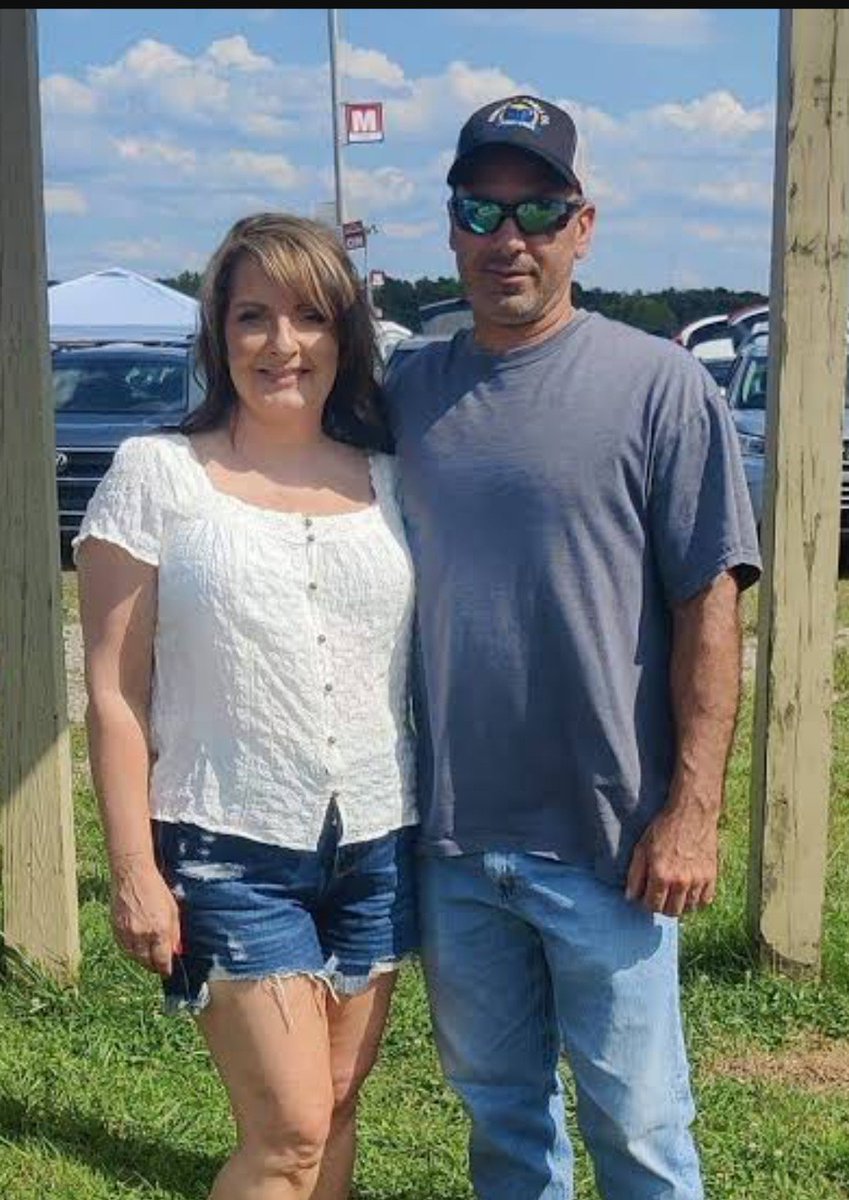
On the evening of July 13, 2024, a routine political rally in Butler, Pennsylvania turned into a deadly shooting when a 20‑year‑old gunman opened fire on former President Donald Trump and the crowd. In the split seconds that followed, 50‑year‑old volunteer firefighter Corey Comperatore stepped between the shooter’s bullets and his wife and daughters, sacrificing his life to shield them. While the nation collectively mourned the loss of a man who epitomized quiet heroism, the event also reignited debates over security protocols at public political gatherings and the broader climate of political violence that has plagued the United States since the 1990s.
Background: A Community Built on Service and Faith
Corey D. منصوب Comperatore was born on June 16, 1974, in Natrona Heights, Pennsylvania, and grew up in the nearby Sarver area. He graduated from Freeport High School in 1992 and later served a decade in the U.S. Army Reserves, a commitment that reflects a broader tradition of citizen‑soldiers who balance civilian careers with military duty. His post‑military career as a project and tooling engineer at JSP, a plastics manufacturing firm, positioned him as a skilled problem‑solver in both industrial and emergency contexts.
Beyond his professional life, Comperatore’s identity was deeply entwined with volunteer firefighting—a role he entered at sixteen and soon advanced to chief of the Buffalo Township Volunteer Fire Company. Local historians note that such volunteer fire departments often form the backbone of rural safety nets, stepping in where professional services are geographically limited. In the broader American context, the rise of volunteer firefighters in the 1970s and 1980s helped counteract shrinking municipal budgets, a legacy that continues to shape community resilience today.
Key Facts and Timeline of the Shooting
The rally, held at the Butler Farm Show grounds, drew thousands of Trump supporters. At approximately 6:11 p.m., Thomas Matthew Crooks, a 20‑year‑old man perched on the roof of a nearby American Glass Research building, fired eight rounds from an AR‑15‑style rifle. One bullet grazed Trump’s right ear, while the remaining shots struck the crowd. Corey Comperatore, standing with his wife Helen and their two daughters, was struck in the head as he placed his body in front of them, shouting “Get down!” as his final words.
In the immediate aftermath, emergency services responded within minutes, but the damage was already done. The FBI has opened an investigation, and local law enforcement released a statement that the shooter’s motive remains unclear. The incident’s rapid escalation mirrors the 2017 incident at a Texas rally where a gunman fired into a crowd, highlighting a troubling pattern of targeted violence at politically charged events.
People Involved: Veterans, Volunteers, and the Wider Family
Corey’s wife, Helen, shared the rally with their two daughters, Allyson and Kaylee, both nurses by profession. The family's devotion to faith, evidenced by their return to Cabot Church, adds a layer of cultural context: congregational support often serves as a critical source of communal healing after traumatic events. Additionally, two other victims—57‑year‑old David Dutch and 74‑year‑old James Copenhaver—were injured during the shooting, underscoring the indiscriminate nature of such attacks.
Beyond the immediate family, the volunteer firefighting community rallied in the days that followed, sending wreaths and public statements of solidarity. In similar historical moments, such as the response of the 1993 Boston Fire Department after the Waverly Plaza shooting, volunteer groups have often proven to be first responders in both literal and symbolic terms, reinforcing their role in emergency preparedness.
Reactions: Social Media, Politicians, andMcDonald’s Controversies
Local media outlets in Butler, Pennsylvania, ran extended coverage of the rally, focusing on the family's resilience. Comparative analysis shows that community media often provide a more nuanced portrait than national outlets, as seen in the extensive coverage of the 2001 Columbine memorials in local newspapers. The rapid dissemination of the viral tweet also demonstrates the power of micro‑platforms to shape public narrative in real time.
Implications: Security Protocols, Political Polarization, and the Future of Rallies
The incident has sparked intense debate over the adequacy of protective measures at large political gatherings. Lawmakers are revisiting the 2013 “Safe Passage” program that was expanded after the Boston Marathon bombing, evaluating whether similar “buffer zones” could be mandated for future rallies. The broader implication is a potential shift in how campaign events are structured, possibly moving towards more controlled environments similar to the “closed‑door” strategy adopted by some European political parties.
The shooting also underscores the corrosive effect of political polarization. Analysts note that the rise in politically motivated violence has been linked to increased extremist rhetoric, a trend that began in thenamed 1990s and has accelerated since the 2016 election. As a result, political scientists are calling for comprehensive de‑escalation strategies, including public education campaigns and targeted counter‑extremism initiatives.
Next Steps: Investigation, Memorialization, and Policy Reform
In addition to policy changes, the incident is prompting grassroots movements across the country to advocate for stronger mental‑health resources for young adults, a demographic that data shows is at higher risk of engaging in violent behavior. Community organizations, like the National Association of Volunteer Fire Chiefs, are calling for increased funding for psychological first aid training within volunteer departments.
Frequently Asked Questions
Conclusion
The death of Corey Comperatore sits at the intersection of personal sacrifice, community resilience, and national security. While his act of shielding his family will forever be remembered as an exemplar of love, it also compels policymakers, law enforcement, and citizens to confront the escalating threat of politically motivated violence. The policy reforms underway—ranging from enhanced security protocols to broader mental‑health initiatives—represent a tangible response反水 to the lessons learned from Butler, Pennsylvania. As the nation moves forward, the legacy of Corey Comperatore will serve as both a cautionary tale and a call to action, urging a collective commitment to safeguard public life and democratic discourse alike.