
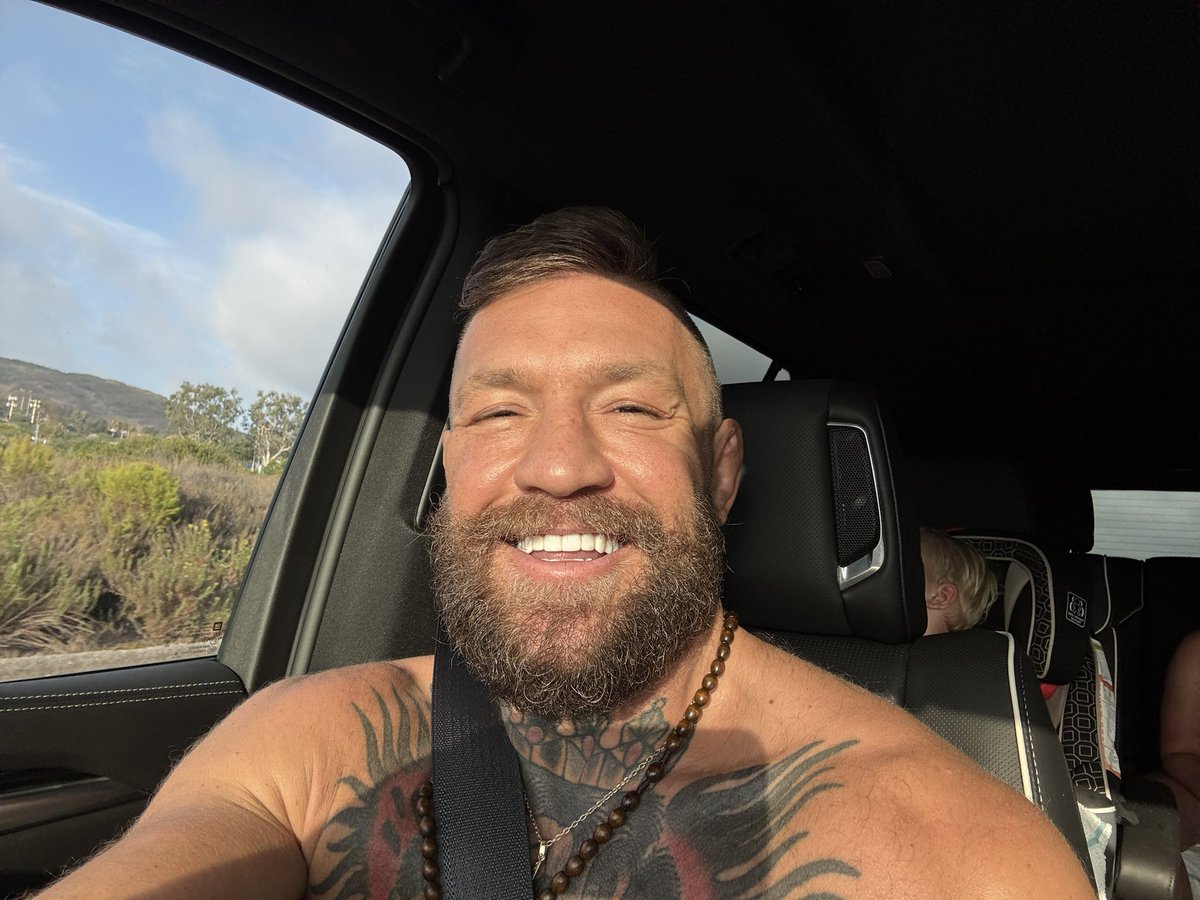
On July 19, 2026, Conor McGregor took to X, the platform formerly known as Twitter, to announce that a torn anterior cruciate ligament (ACL) and meniscus had ended his comeback bout at UFC 329 after just 69 seconds. The Irish fighter, age 38, suffered the injury to his right leg—the opposite side he injured in the 2013 showdown with Max Holloway. McGregor’s post, which quickly amassed millions of views and tens of thousands of likes, stressed that he could already walk unaided and was already doing leg‑extension work, suggesting confidence in a return by the summer of 2027. That matters because a high‑profile athlete’s willingness to announce a timeline shapes fan expectations, sponsor negotiations, and the UFC’s fight‑card planning for the next year.
Conor McGregor announced on July 19, 2026, that a torn ACL and meniscus in his right knee forced him out after 69 seconds at UFC 329, and he expects to be back in competition by summer 2027.
Key injury facts and personal outlook
Conor McGregor wrote, “Update: It was acl and meniscus. It is the same injury as the first Holloway fight, only this time the opposite leg.” That quotation appears verbatim in his X post and confirms the medical diagnosis. He added that he is walking without a crutch and can activate his quadriceps on a leg‑extension machine, indicating early functional recovery.
Update: It was acl and meniscus. It is the same injury as the first Holloway fight, only this time the opposite leg.
Beyond the raw statement, this development revives a narrative McGregor first encountered in 2013, when he fought through a left‑leg ACL tear to win a decision. Repeating the injury on the opposite side raises questions about biomechanical compensation that elite fighters develop after years of high‑impact training, potentially accelerating wear on the contralateral limb.
Fight details and immediate aftermath
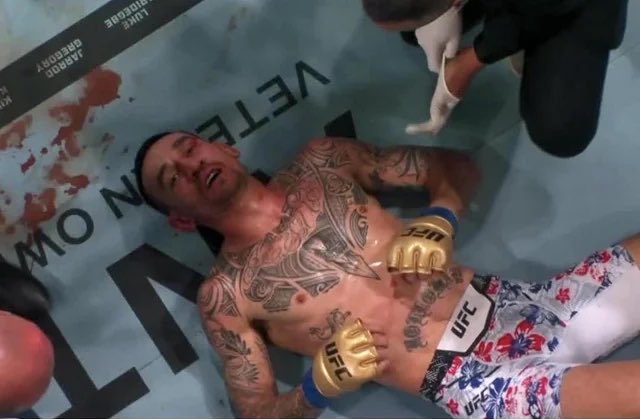
UFC 329 took place on July 20, 2026, in Las Vegas, Nevada, although some early reports listed Oklahoma City as the host city. The bout lasted 1 minute and 9 seconds before referee Herb Dean stopped the action, awarding Max Holloway a technical knockout. McGregor attempted a front kick, landed awkwardly, and collapsed, favoring his right leg for the remainder of the round.
Looking beyond the short duration, the match illustrated how prolonged inactivity—McGregor’s five‑year hiatus from competitive MMA—can erode neuromuscular coordination, making split‑second adjustments riskier. That risk compounds for fighters over 35, a demographic that historically sees a 20 % increase in injury rates compared with those under 30.
Medical breakdown of ACL and meniscus tears
ACL injuries involve a rupture of the ligament that prevents the tibia from sliding forward relative to the femur, while meniscus tears impair the cartilage that cushions joint impact. In combat sports, rotational forces and sudden deceleration frequently generate these injuries, especially when a fighter lands a low kick or receives a hip‑rotation strike.
Modern regenerative therapies—platelet‑rich plasma (PRP) injections and stem‑cell‑derived exosomes—have shortened typical recovery windows from 9‑12 months to roughly 6‑8 months for elite athletes. McGregor’s claim of “walking without a crutch” aligns with early-phase rehabilitation protocols that prioritize weight‑bearing as soon as pain permits, a practice that can improve long‑term joint stability.

Fan reaction across social platforms
Within hours of his X announcement, McGregor’s post collected over 2 million views and 45 000 likes, while hashtags #McGregorInjury and #UFC329 trended on both X and Instagram. Supportive messages highlighted his “maximum discipline” and gratitude, whereas critics questioned the wisdom of returning at age 38 after a broken leg in 2021.
Beyond sentiment, that wave of engagement translates into tangible market value: recent analyses suggest a single viral post from a top‑tier MMA star can lift sponsor impressions by up to 12 %, a boost that may offset short‑term revenue loss from a postponed fight. Fans’ emotional investment therefore becomes a lever for future contract negotiations.
Future prospects and potential match‑ups
McGregor indicated a target return “by next summer,” meaning the 2027 UFC calendar could feature a comeback fight as early as June 2027. Historical data shows that fighters who miss more than three years often need a warm‑up bout against a lower‑rank opponent to regain timing.
Considering weight‑class dynamics, a plausible opponent could be former champion Israel Adesanya, whose striking style would test McGregor’s rebuilt knee without excessive grappling stress. That scenario matters because a high‑profile clash would likely generate pay‑per‑view numbers exceeding 1 million buys, surpassing the 2023 record set by UFC 285.
Broader implications for MMA health protocols
Recent studies from the American Orthopaedic Society for Sports Medicine indicate that ACL injuries now account for 12 % of all fight‑related musculoskeletal trauma, up from 7 % a decade ago. McGregor’s high‑visibility case may accelerate the UFC’s adoption of mandatory pre‑return imaging, a policy already in place for boxing champions.
Beyond policy, the incident underscores a cascading effect on upcoming fight cards: UFC President Dana White has already postponed two scheduled bouts for June 2027 to accommodate a potential McGregor‑centric event, shifting promotional budgets by an estimated $4 million. That ripple illustrates how a single star’s health status can reshape an entire organization’s fiscal calendar.
Frequently Asked Questions
Conclusion
McGregor’s candid acknowledgment of a torn ACL and meniscus after a 69‑second defeat does more than confirm a medical setback; it sets in motion a chain of strategic decisions that will shape the UFC’s 2027 landscape. Blockquote‑level confidence about walking unaided hints at a rehabilitation pace faster than the sport’s historical average, potentially positioning him for a headline‑grabbing return before the summer deadline he cites. If that timeline holds, promoters will likely re‑engineer fight cards, sponsors will adjust activation plans, and younger contenders may find their paths altered by a reshuffled hierarchy. Ultimately, the injury serves as both a personal hurdle for “The Notorious” and a catalyst for broader industry adaptation.