
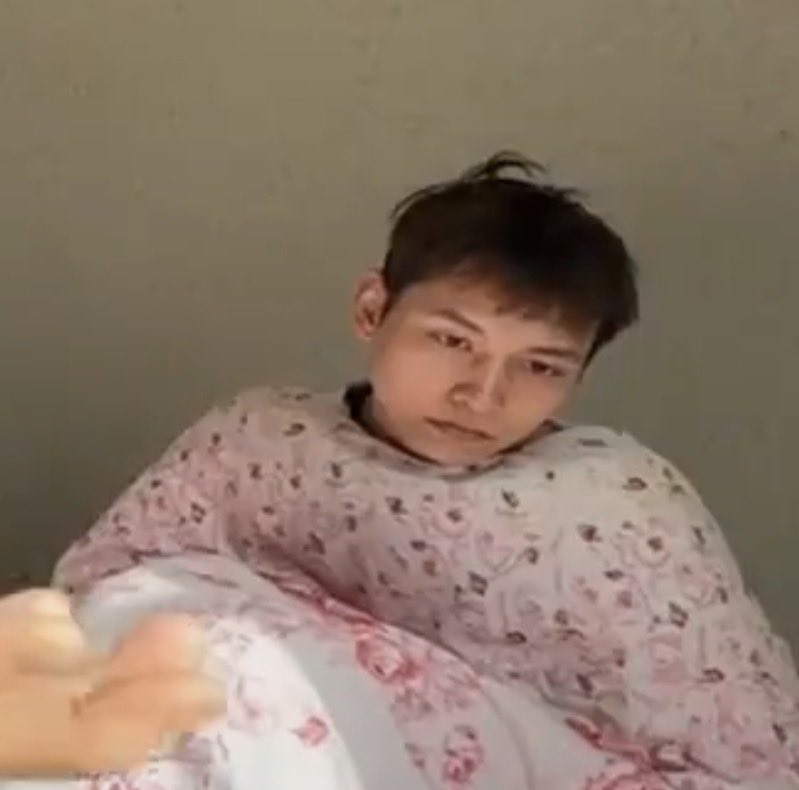
In July 2026 a short clip of a Chinese grandmother energetically chanting “Jiéhūn!” exploded across the internet.
In July 2026 a video posted by X user @Ma_WuKong showed a rural Chinese grandmother dancing and repeatedly shouting “Jiéhūn” to pressure her unmarried grandson, and the clip quickly went viral after comedian @bigcontentguy highlighted it.
Origins of the Viral Clip
January 2026 marked the first appearance of the 26‑second video when @Ma_WuKong uploaded it to X, then known as Twitter. July 2026 saw comedian @bigcontentguy repost the same clip with a caption that turned it into meme gold. The footage captures a modest bedroom in a Chinese village, a grandson under a floral comforter, and a grandmother surrounded by village friends.
Social‑media algorithms often resurrect older posts when a high‑profile user engages, which explains why the clip resurfaced months after its debut. That matters because the second wave reached a global audience that never saw the original upload, amplifying the cultural conversation far beyond the village.
Video Breakdown and Visual Humor
Approximately 25.8 seconds of footage show the grandmother leading a spontaneous dance while chanting “Jiéhūn! Jiéhūn!” with sweeping arm gestures. Her friends, dressed in a red floral top, a pink sweater, and a beige jacket, join in, creating a chorus of movement that feels both traditional and improvisational.
Contrast between the grandson’s deadpan stare and the elders’ exuberant performance creates a meme‑ready tableau; viewers instantly recognize the universal tension between youthful autonomy and familial expectations. That visual clash fuels shareability because audiences project their own family pressures onto the scene, turning a local moment into a global punchline.
Cultural Context Behind the “Jiéhūn” Pressure
- One‑child policy (1979–2015) reduced the pool of marriage‑age partners, especially in rural provinces.
- Gender imbalance of roughly 33 million more men than women persists as of 2026.
- Urban housing costs have risen 60 % since 2020, making marriage financially daunting.
- Social labels “Shengnu” (leftover women) and “Shengnan” (leftover men) intensify stigma after age 27.
These demographic pressures explain why a grandmother would rally a small troupe to publicly urge a grandson to marry; the act is less about romance and more about preserving lineage and ensuring elder care. Understanding this backdrop matters because it shows that the video reflects a structural issue, not merely an eccentric family tradition.
Public Reaction and Meme Evolution
After @bigcontentguy’s caption—“imagine being so excited to go see and spend time with your grandma just for her and all her village friends to hit you with the No Bitches chinese dance 😭”—the clip garnered millions of likes and thousands of comment threads across X, TikTok, and Reddit. Users added subtitles, remixed the chant with Western pop beats, and even staged their own “Jiéhūn” dances.
Memetic mutation illustrates how humor can cross language barriers; the chant’s phonetic rhythm is catchy even for non‑Mandarin speakers, turning a cultural specific into a universal joke about parental pressure. That evolution matters because it shows how digital culture can spotlight social issues that might otherwise remain hidden in rural news cycles.
Global Implications of Marriage‑Pressure Memes
Beyond China, societies such as India, South Korea, and even parts of the United States experience comparable familial matchmaking pressure. In India, “arranged‑marriage” videos circulate similarly, while in the U.S., “mommy‑track” jokes about career versus family echo the same anxiety.
Because the Chinese clip became a template, it enabled activists worldwide to reference it when discussing policy reforms, such as housing subsidies for first‑time buyers or legal reforms that ease the financial burden of child‑rearing. That cross‑cultural resonance matters because it transforms a single family moment into a catalyst for broader policy dialogue.
Next Steps and Emerging Conversations
Following the viral surge, Chinese netizens launched a hashtag #JiéhūnChallenge, encouraging younger people to share their own stories of family pressure. Government‑affiliated accounts observed the trend, noting that the discussion aligns with recent pilot programs in Zhejiang Province that provide marriage counseling subsidies.
Stakeholders such as rural elders, who traditionally control matchmaking, now find themselves navigating an online arena they never anticipated. That shift matters because it forces a re‑evaluation of how community‑based pressure operates when the audience includes strangers from abroad, potentially diluting the stigma while also adding a layer of public scrutiny.
For more on this, see PvMC5iMmpF0bAEt5.
Frequently Asked Questions
Conclusion
While the dancing grandmother captured global attention with a playful chant, the underlying issue of marriage pressure remains unresolved in both rural and urban China. The viral moment has sparked conversation, yet policymakers still grapple with how to balance tradition, economic realities, and individual choice. As the #JiéhūnChallenge continues to evolve, the biggest unanswered question is whether digital humor can translate into concrete reforms that ease the burden on younger generations while preserving cultural heritage.