
Chillingham Wild Cattle Survive as Genetic Marvel with 700-Year-Isolated Herd Remains Intact
History of Isolation
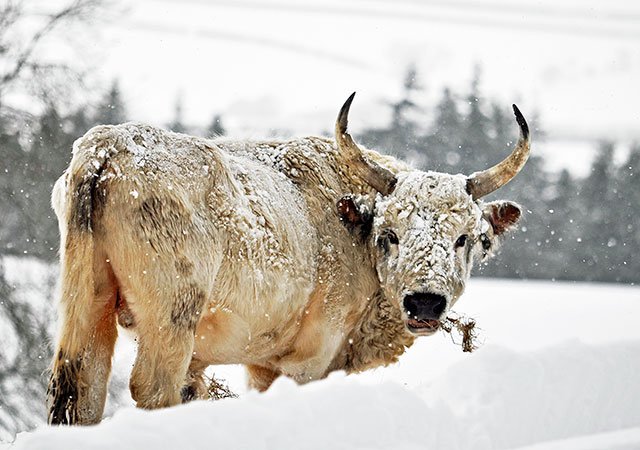
Chillingham cattle, also known as Chillingham wild cattle, roam a 330-acre enclosed park at Chillingham Castle in Northumberland, England. Enclosed likely in the 13th century (with the visible wall built in the early 19th century), they have lived in near-total isolation, free from human intervention, selective breeding, or modern veterinary care. Their coat is predominantly white, with red ears (and occasional color on feet, nose, or eyes). They maintain a primitive conformation, distinct from modern beef breeds. The park itself is a stunning wood-pasture habitat with ancient alders, oaks, and diverse wildlife including red squirrels, roe deer, and over 55 bird species.Genetic Uniformity
Their genetic uniformity is one of the most remarkable aspects of the Chillingham herd. Every single animal in the herd shares a common ancestor and has a virtually identical genetic makeup. This level of genetic uniformity is rare in nature, and scientists have described them as "natural clones." A calf born wrong is left where it lies. The herd carries no passengers. Draw blood from any beast in the park and it matches every other, exactly. There is a paper in Nature titled 'A viable herd of genetically uniform cattle,' which is the polite way of saying that by the textbook, they should be dead.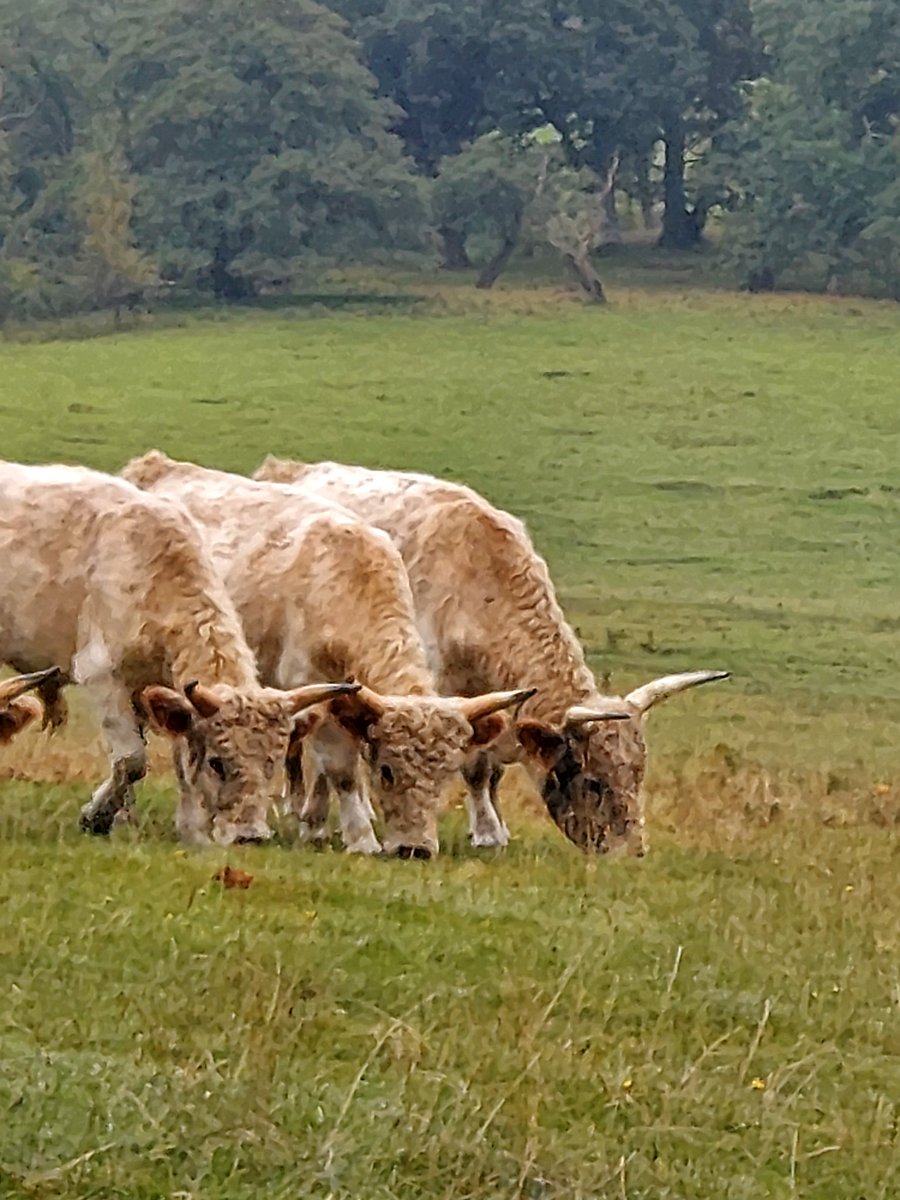
Scientific Study
A landmark paper in the journal Nature titled "A viable herd of genetically uniform cattle" captured the scientific astonishment at their survival. The study found that the Chillingham herd has a unique genetic makeup that sets them apart from other cattle breeds. The herd's genetic uniformity is due to their isolation from other cattle breeds for over 700 years. They have been breeding only among themselves, which has resulted in a highly uniform genetic makeup. This level of genetic uniformity is rare in nature, and scientists have described them as "natural clones."Darwin and the Herd Book
Charles Darwin was so taken with the Chillingham herd that he begged the family to record every birth and death. They still do. The oldest herd book on earth is a testament to the herd's rich history and the importance of conservation efforts. The herd book provides valuable information on the herd's demographics, genetics, and behavior. It also serves as a reminder of the importance of preserving genetic diversity in animal populations.Conservation Status
The Chillingham herd is considered a conservation success story. Despite being isolated for over 700 years, the herd remains healthy and thriving. Their genetic uniformity has made them a valuable resource for scientists studying animal genetics and conservation. However, the herd's isolation also makes them vulnerable to disease and inbreeding. Conservation efforts are underway to ensure the herd's continued survival and to preserve their unique genetic makeup.Reaction and Implications
The Chillingham herd has sparked widespread interest and fascination. Social media platforms have been filled with posts and comments about the herd's remarkable story. The herd's genetic uniformity has also raised questions about the importance of preserving genetic diversity in animal populations. It highlights the need for conservation efforts to protect and preserve unique genetic makeup.What Happens Next
The Chillingham herd's future is uncertain. Conservation efforts are underway to ensure the herd's continued survival and to preserve their unique genetic makeup. The herd's genetic uniformity has made them a valuable resource for scientists studying animal genetics and conservation. However, their isolation also makes them vulnerable to disease and inbreeding.For more on this, see HM8i3bCWcAAHAeo.jpg**.
For more on this, see chillinghamwildcattle.com.
For more on this, see Chillingham cattle.
For more on this, see chillinghamwildcattle.com.
For more on this, see chillinghamwildcattle.com.
For more on this, see chillingham-castle.com.
Frequently Asked Questions
What is the Chillingham herd?
The Chillingham herd is a group of wild cattle that have been isolated for over 700 years. They are the world's only remaining herd of truly wild cattle and are considered a conservation success story.
How did the Chillingham herd come to be isolated?
The Chillingham herd is believed to have been enclosed in the 13th century, with the visible wall built in the early 19th century. This isolation has allowed them to breed only among themselves, resulting in a highly uniform genetic makeup.
What is the significance of the Chillingham herd's genetic uniformity?
The Chillingham herd's genetic uniformity is rare in nature and has made them a valuable resource for scientists studying animal genetics and conservation. It highlights the importance of preserving genetic diversity in animal populations.
What are the implications of the Chillingham herd's isolation?
The Chillingham herd's isolation makes them vulnerable to disease and inbreeding. Conservation efforts are underway to ensure the herd's continued survival and to preserve their unique genetic makeup.
How can I learn more about the Chillingham herd?
You can visit the Chillingham Wild Cattle website, which provides information on the herd's history, genetics, and conservation status. You can also visit the Chillingham Castle website, which offers information on the herd's habitat and conservation efforts.