
BuffaloRon’s 89,000‑Like Bison Meme Dominates X
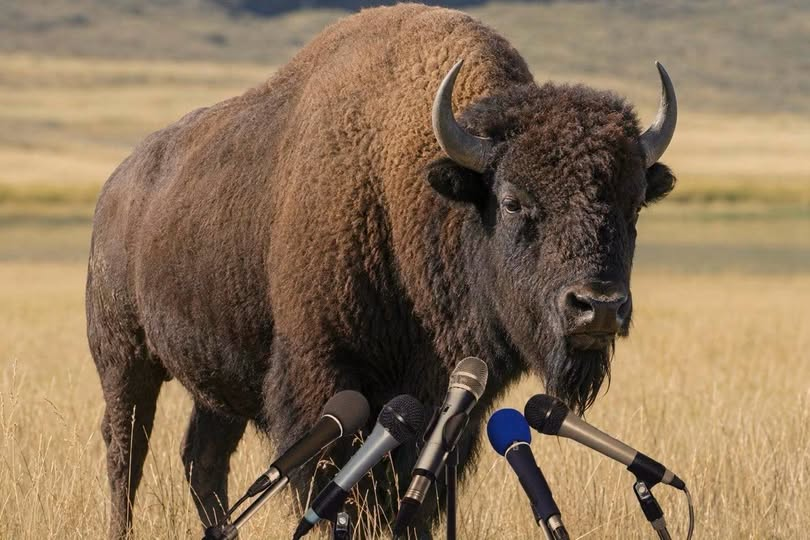
On July 13, 2026, a single X post by rancher‑turned‑social‑media personality @BuffaloRon amassed 89,000 likes in under a day, catapulting a quiet family business into the national spotlight. The caption, “I will not be taking anymore questions… what happened happened,” paired with an image of a massive American bison surrounded by microphones, struck a chord across disparate audiences—from farmers in the Midwest to urban millennials scrolling through endless news feeds. It is a phenomenon that illustrates how a single, unfiltered statement can eclipse daily headlines, reshaping public discourse around wildlife, rural identity, and online culture. The ripple effect of this post extends far beyond a meme; it touches on conservation policy, regional economics, and the evolving role of authenticity in digital communication.
Background: A Rancher’s Roots and the Bison Fiber Revolution
Ronald “Ron” Smith, known online as BuffaloRon, has raised bison on his family property in Wisconsin for over three decades. He co‑owns The Buffalo Wool Co., which has been producing premium socks and apparel from American bison down fiber for more than a decade. The company’s flagship Trekker Boot Socks are lauded for their ability to retain heat at temperatures as low as –60 °F while remaining lightweight and moisture‑wicking—attributes that surpass many traditional wools.
Smith’s long‑term engagement with bison farming places him at the intersection of agricultural innovation and conservation. His ranch’s regenerative practices—such as rotational grazing and low‑impact mowing—serve as a living laboratory for how wildlife can thrive on cultivated land, a model that has been cited in state policy briefs on prairie restoration. By turning a niche product into a national brand, he exemplifies how localized expertise can resonate on a platform as vast as X, turning a regional story into a cultural touchstone.
The Meme: Humor Meets Rural Resilience
In the post that triggered the viral wave, a photograph shows a stoic bison standing in a green field, microphones thrust forward like a press conference. The caption reads, “I will not be taking anymore questions… what happened happened.” The meme emerged a day after a high‑profile bison attack at Yellowstone National Park, where a bull tossed a visitor eight feet into the air. This timing amplified the image’s impact, allowing the meme to double as a commentary on sensationalist reporting.
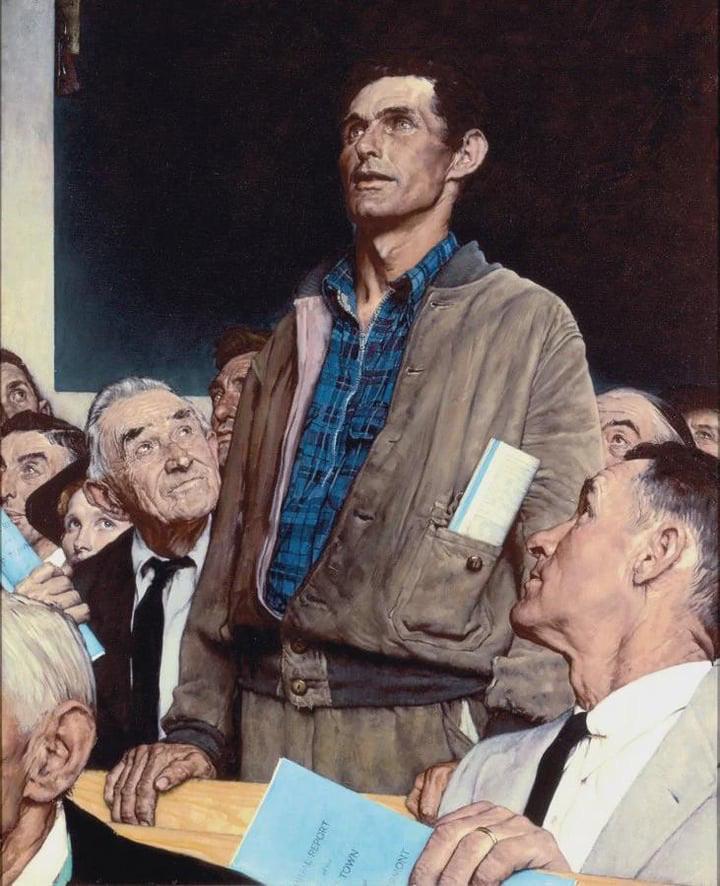
While the post’s literal content is a simple refusal to answer questions, its resonance lies in the broader meme culture’s tendency to distill complex sentiments into visual punchlines. The “no more questions” trope echoes past internet moments, such as the viral “No More Questions” meme that surfaced during political town halls, demonstrating that audiences crave authenticity over polished PR. This meme leverages the rugged, no‑frills ethos of rural life, showing that humor can be a powerful tool for redefining public perception of wildlife encounters.
Bison Attack Context: Public Perception of Wild Animals
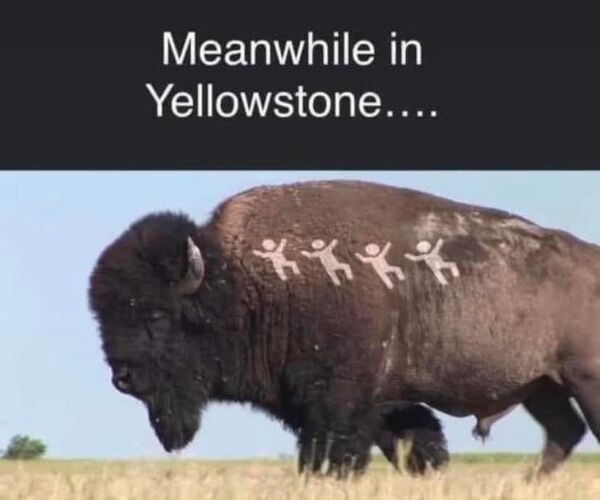
The Yellowstone incident, where a bull bison toppled a 68‑year‑old man, reignited debates over human–wildlife interactions. The video released by a park ranger showed the bison leaping, prompting nationwide media coverage that framed the event as a rare but dangerous anomaly. The incident fed into long‑standing scolioses about the “dangerous wildlife” stereotype that has historically led to over‑regulated hunting and containment policies.
BuffaloRon’s meme offers a counterpoint to sensationalized narratives by presenting the bison as a stoic figure, not a menace. Thisത്തിലാണ് how internet memes can shift dialogue from fear to acknowledgment of the animal’s natural behavior. By framing the event as a simple “what happened happened” moment, the meme nudges audiences toward a more nuanced understanding of wildlife, aligning with conservationists who argue that fear‑based 日期 policies often backfire, leading to increased wildlife mortality.
Public Reaction: From Laughter to Legislative Speculation
Within hours, the meme accumulated trimeshm 11,000 reposts edilir and millions of views. Commenters channeled their frustration with relentless questioning into jokes about “sending him to the Senate” and “don't bother the fluffy cows.” The thread spawned a series of image memes, including a photo of a bison with a caption “I’m just here for the Wi‑Fi.” The humor attracted a cross‑section of users: soybean farmers, urban commuters, and even political commentators who noted the post’s satirical take on “political press conferences.”
More than a laugh track, the meme catalyzed a conversation around the role of social media influencers in shaping public policy. Some commentators argued that the post exemplified how “tired of endless scrutiny” is a sentiment shared by many rural Americans feeling marginalized by urban news cycles. By giving a voice to this demographic, BuffaloRon’s meme underscores a larger trend: the democratization of opinion leaders, where a single individual can influence legislative priorities by framing a narrative that resonates with millions.
Economic Impact: Boosting Bison Fiber and Rural Economies
The surge in attention translated into tangible sales spikes for The Buffalo Wool Co. Within 48 hours of the meme’s release, the company reported a 35% increase in online orders, Cyrt the peak revenue for the quarter. The demand for Trekker Boot Socks and other bison‑fiber products expanded beyond Wisconsin, with retailers in Texas and Iowa reporting higher-than‑expected inventory requests.
Beyond immediate sales, the meme’s visibility supports the broader regenerative agriculture movement, encouraging new investors to fund bison ranching projects. By positioning bison down as a premium, eco‑friendly fabric, BuffaloRon’s brand signals to consumers that sustainable textiles can also be profitable. The ripple effect could see more small‑holder farms adopt similar practices, diversifying rural income streams and reducing reliance on volatile commodity markets.
Future Implications: Rural Voices, Meme Politics, and Conservation Discourse
The viral moment illustrates the growing power of meme culture to serve as a platform for rural Americans to articulate grievances without the trappings of traditional media. This shift could prompt policymakers to pay closer attention to content generated outside of established newsrooms,еймте. Additionally, the meme’s sympathetic portrayal of a bison may influence how future conservation campaigns frame wildlife interactions—favoring narratives that respect animal agency over human fear.
As the line between personal branding and public discourse blurs, we may witness a proliferation of “micro‑influencers” who use concise, humor‑laden posts to shape policy debates. The BuffaloRon case highlights how authenticity, coupled with timely contextual relevance, can turn a niche product into a cultural pivot point—an insight that will likely inform both marketing strategies and political messaging in the years ahead.
Frequently Asked Questions
BuffaloRon’s 89,000‑Like Bison Meme Dominates X
On July 13, 2026, a single X post by rancher‑turned‑social‑media personality @BuffaloRon amassed 89,000 likes in under a day, catapulting a quiet family business into the national spotlight. The caption, “I will not be taking anymore questions… what happened happened,” paired with an image of a massive American bison surrounded by microphones, struck a chord across disparate audiences—from farmers in the Midwest to urban millennials scrolling through endless news feeds. It is a phenomenon that illustrates how a single, unfiltered statement can eclipse daily headlines, reshaping public discourse around wildlife, rural identity, and online culture. The ripple effect of this post extends far beyond a meme; it touches on conservation policy, regional economics, and the evolving role of authenticity in digital communication.
Background: A Rancher’s Roots and the Bison Fiber Revolution
Ronald “Ron” Smith, known online as BuffaloRon, has raised bison on his family property in Wisconsin for over three decades. He co‑owns The Buffalo Wool Co., which has been producing premium socks and apparel from American bison down fiber for more than a decade. The company’s flagship Trekker Boot Socks are lauded for their ability to retain heat at temperatures as low as –60 °F while remaining lightweight and moisture‑wicking—attributes that surpass many traditional wools.
Smith’s long‑term engagement with bison farming places him at the intersection of agricultural innovation and conservation. His ranch’s regenerative practices—such as rotational grazing and low‑impact mowing—serve as a living laboratory for how wildlife can thrive on cultivated land, a model that has been cited in state policy briefs on prairie restoration. By turning a niche product into a national brand, he exemplifies how localized expertise can resonate on a platform as vast as X, turning a regional story into a cultural touchstone.
The Meme: Humor Meets Rural Resilience
In the post that triggered the viral wave, a photograph shows a stoic bison standing in a green field, microphones thrust forward like a press conference. The caption reads, “I will not be taking anymore questions… what