
Belgian Zoo Pairi Daiza Completes 62,750 Solar Panel Installation on 80% of Parking Spaces

Key Facts
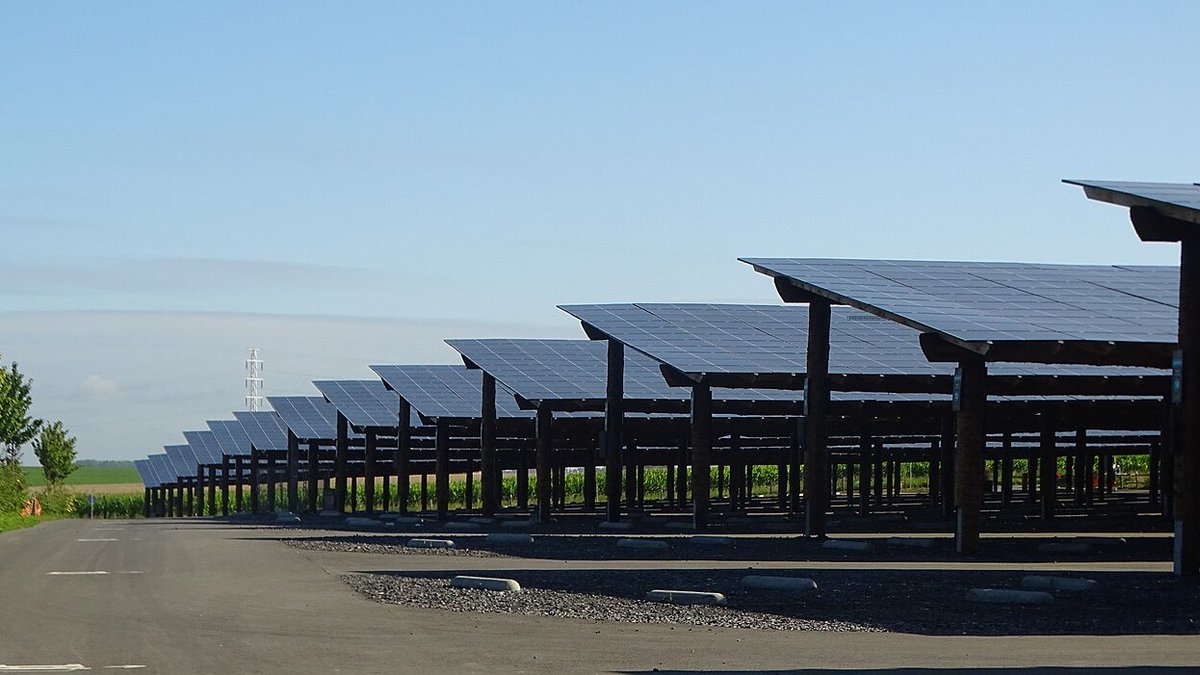
Pairi Daiza's solar carport is one of the largest in the world, covering approximately 10 hectares of the parking area. The project was developed in collaboration with Perpetum Energy, a leading solar energy company, which also provided the innovative wooden structures for the carport. The solar panels have a peak output of 20 MW, exceeding the zoo's energy needs and generating a 30% surplus that is exported to the Belgian grid. The project was financed through third-party investment, with a total cost of around €40 million. The zoo's commitment to sustainability is guided by its goal of achieving 100% green energy by 2034. To achieve this goal, the zoo has implemented various initiatives, including the solar carport, which is expected to reduce the zoo's carbon footprint by a significant amount. The zoo's sustainability efforts have also earned it recognition from various organizations, including the Michelin Green Guide, which has awarded it three stars.Background and Profile
Pairi Daiza was founded in 1994 by lawyer Eric Domb on the historic grounds of the former Cambron Abbey. The zoo has since grown into a 75-80 hectare immersive theme park with over 7,000 animals across 800 species. Pairi Daiza has received numerous awards and recognitions, including being voted Europe's Best Zoo multiple times by Parkscout.de. It has also earned three stars in the Michelin Green Guide for a decade and received Tripadvisor Travellers’ Choice honors.The Solar Carport Mission
The solar carport at Pairi Daiza is a groundbreaking project that demonstrates the potential for innovative solutions in urban infrastructure. The project was developed in collaboration with Perpetum Energy, which provided the innovative wooden structures for the carport. The solar panels have a peak output of 20 MW, exceeding the zoo's energy needs and generating a 30% surplus that is exported to the Belgian grid.Technical Details of the Solar Carport
The solar carport is designed to integrate seamlessly with the existing parking infrastructure, with panels mounted on elevated wooden frameworks that allow for full parking functionality below. The panels are supported by wooden structures that reduce the carbon footprint of the structure compared to steel. The carport has 11 kW charging stations, which require personal cables and cost around €0.10 fixed + €0.67/kWh. The system covers approximately 10 hectares of the parking area and has a peak output of 20 MW.Implications and Impact
Pairi Daiza's solar carport has significant implications for the zoo's sustainability goals and the wider community. The project demonstrates the potential for innovative solutions in urban infrastructure and the importance of sustainable development. The zoo's commitment to sustainability is evident in its goal of achieving 100% green energy by 2034, which drives initiatives like the solar carport. The project is expected to reduce the zoo's carbon footprint by a significant amount and has already received recognition from various organizations, including the Michelin Green Guide.Next Steps
Pairi Daiza's solar carport is a model for sustainable development and innovative infrastructure. The zoo's commitment to sustainability is evident in its goal of achieving 100% green energy by 2034, which drives initiatives like the solar carport. The project demonstrates the potential for innovative solutions in urban infrastructure and the importance of sustainable development. As the zoo continues to grow and develop, it is likely to explore new initiatives and technologies to reduce its carbon footprint and achieve its sustainability goals.
For more on this, see pairidaiza.eu.
For more on this, see pairi daiza.
For more on this, see pv-magazine.com.
For more on this, see the largest solar carport in pairi daiza en.
For more on this, see pairidaiza.eu.
Frequently Asked Questions
Q: What is the capacity of the solar carport?
The solar carport has a peak output of 20 MW.
Q: How much energy does the carport produce annually?
The carport is expected to produce approximately 39,800 MWh of energy annually, equivalent to powering around 11,350 households.
Q: How does the carport support the zoo's sustainability goals?
The solar carport is a key initiative in Pairi Daiza's commitment to achieving 100% green energy by 2034. It is expected to reduce the zoo's carbon footprint by a significant amount and demonstrates the potential for innovative solutions in urban infrastructure.
Q: What is the cost of the project?
The total cost of the project is around €40 million, financed through third-party investment.
Q: What recognition has the zoo received for its sustainability efforts?
Pairi Daiza has received recognition from various organizations, including the Michelin Green Guide, which has awarded it three stars, and Tripadvisor Travellers’ Choice honors.